Everglades National Park
The Everglades National Park was more than a place on the map of my childhood — it was a living frontier of mystery. Whenever I visited my grandparents in South Florida, the wild heart of the Everglades lay only a short drive west, waiting like a secret kingdom at the edge of civilization.
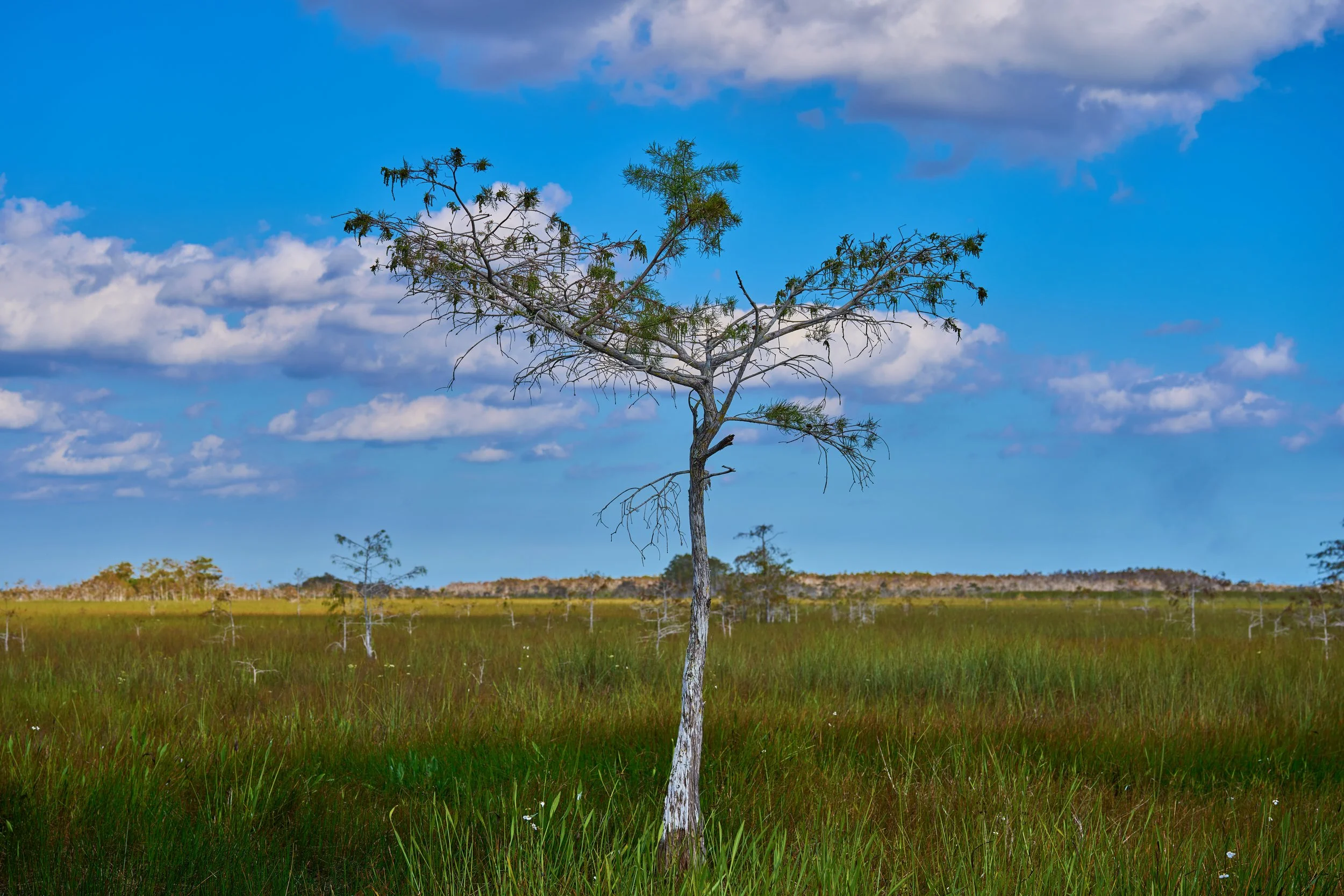
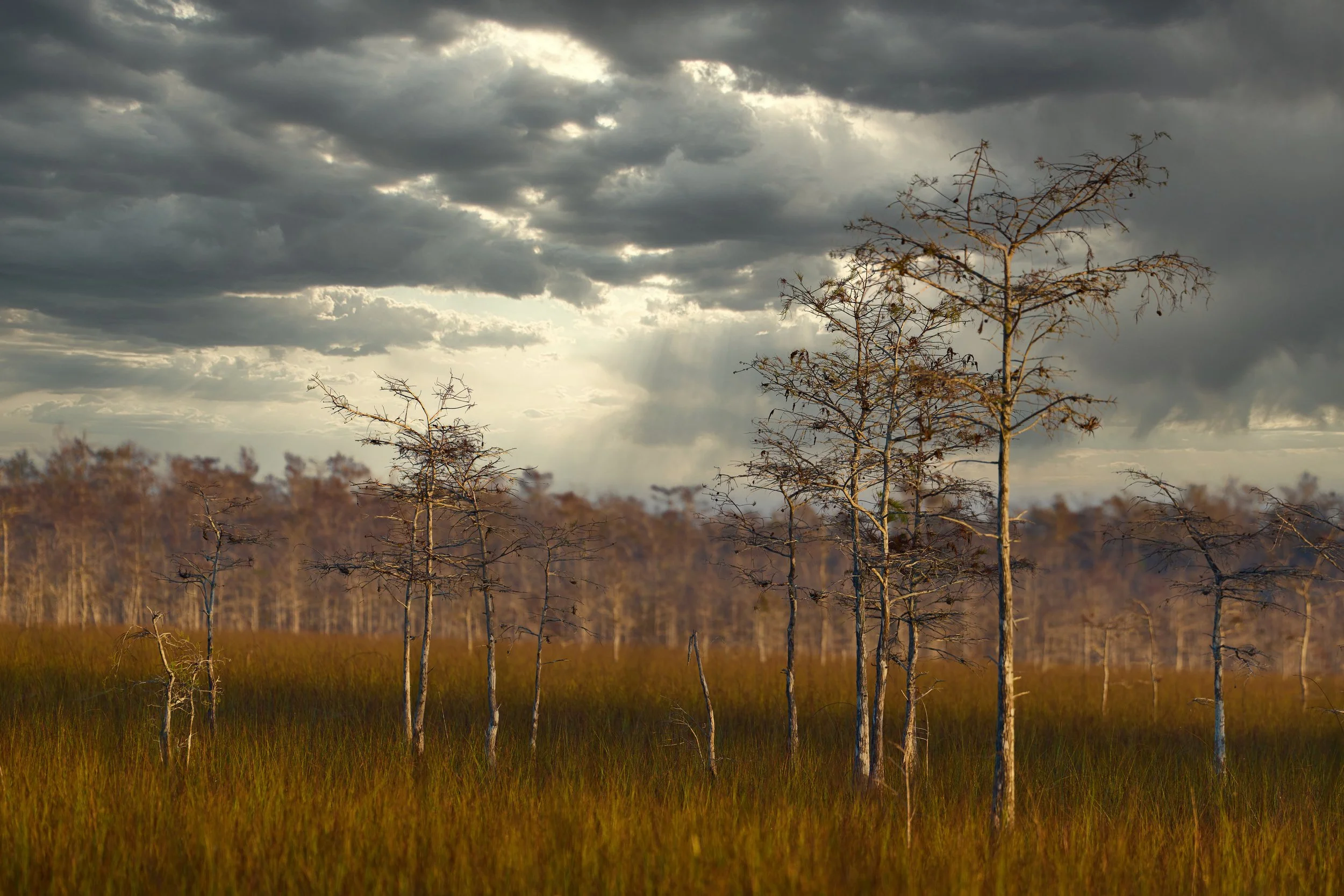
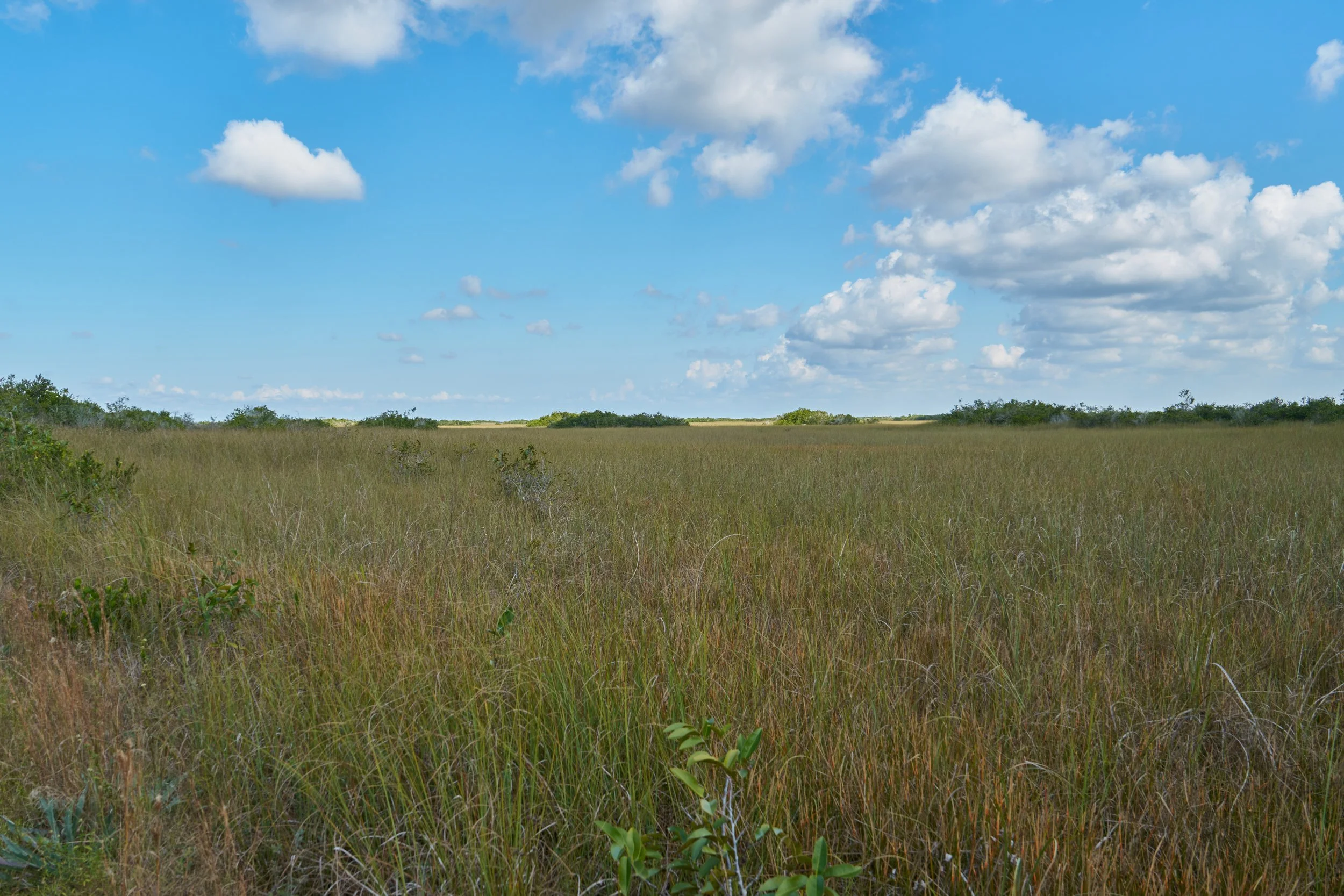
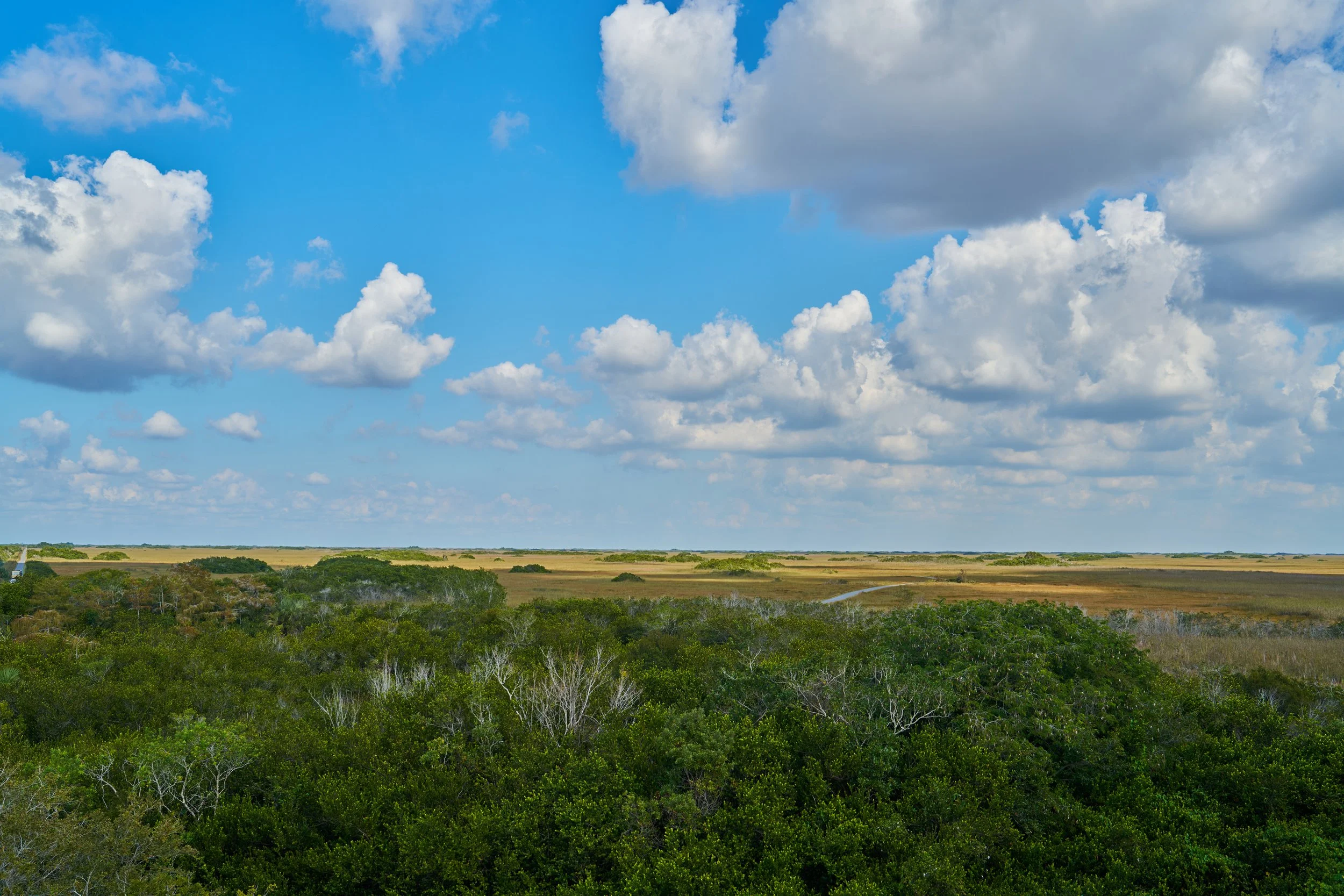
I remember the exact moment the world would shift. Suburban streets faded behind us, replaced by endless horizons of sawgrass — tall, defiant, swaying in the humid breeze like an ocean without a shore. The sound was hypnotic, a soft rustling that felt less like wind and more like a whisper carrying ancient stories.
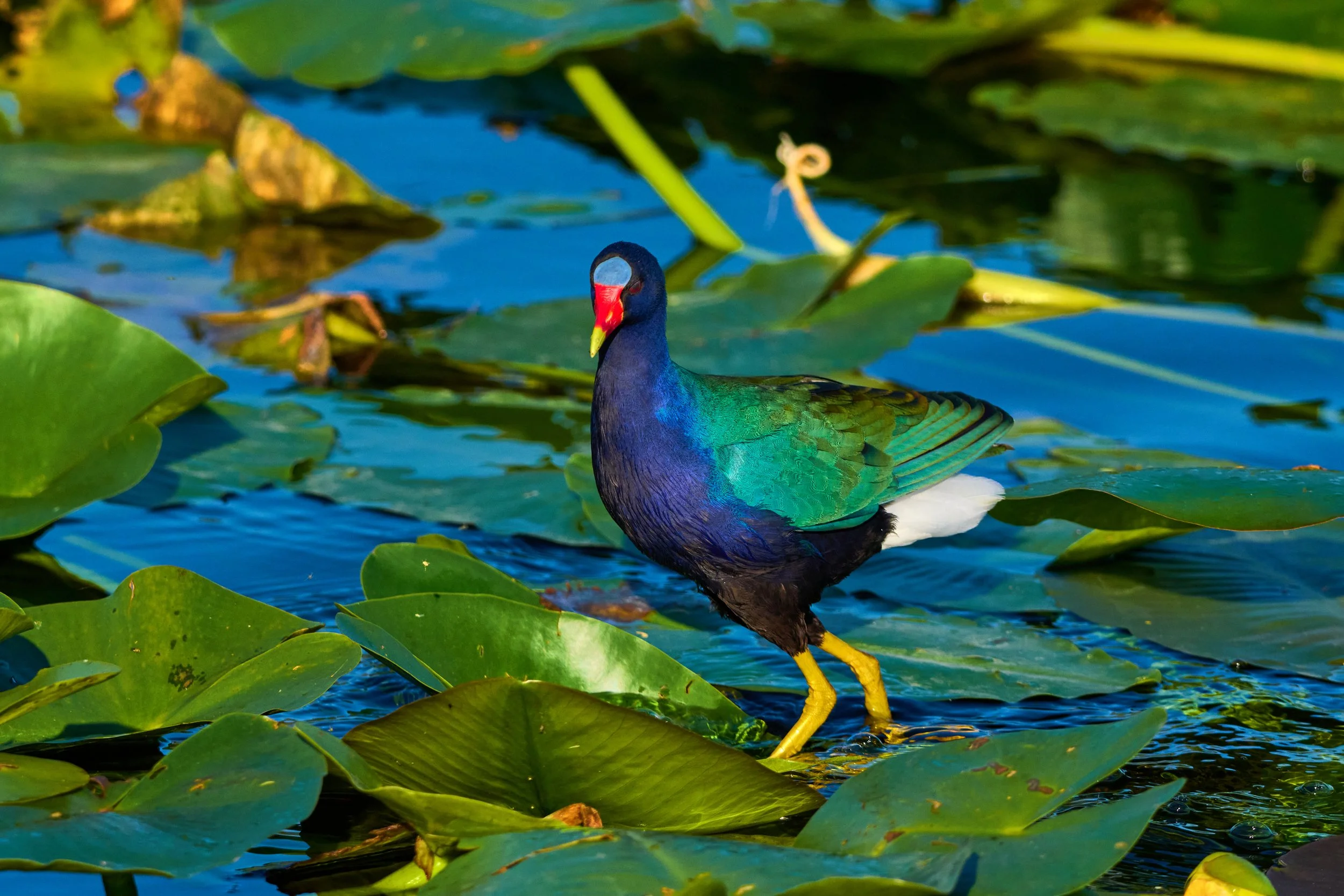
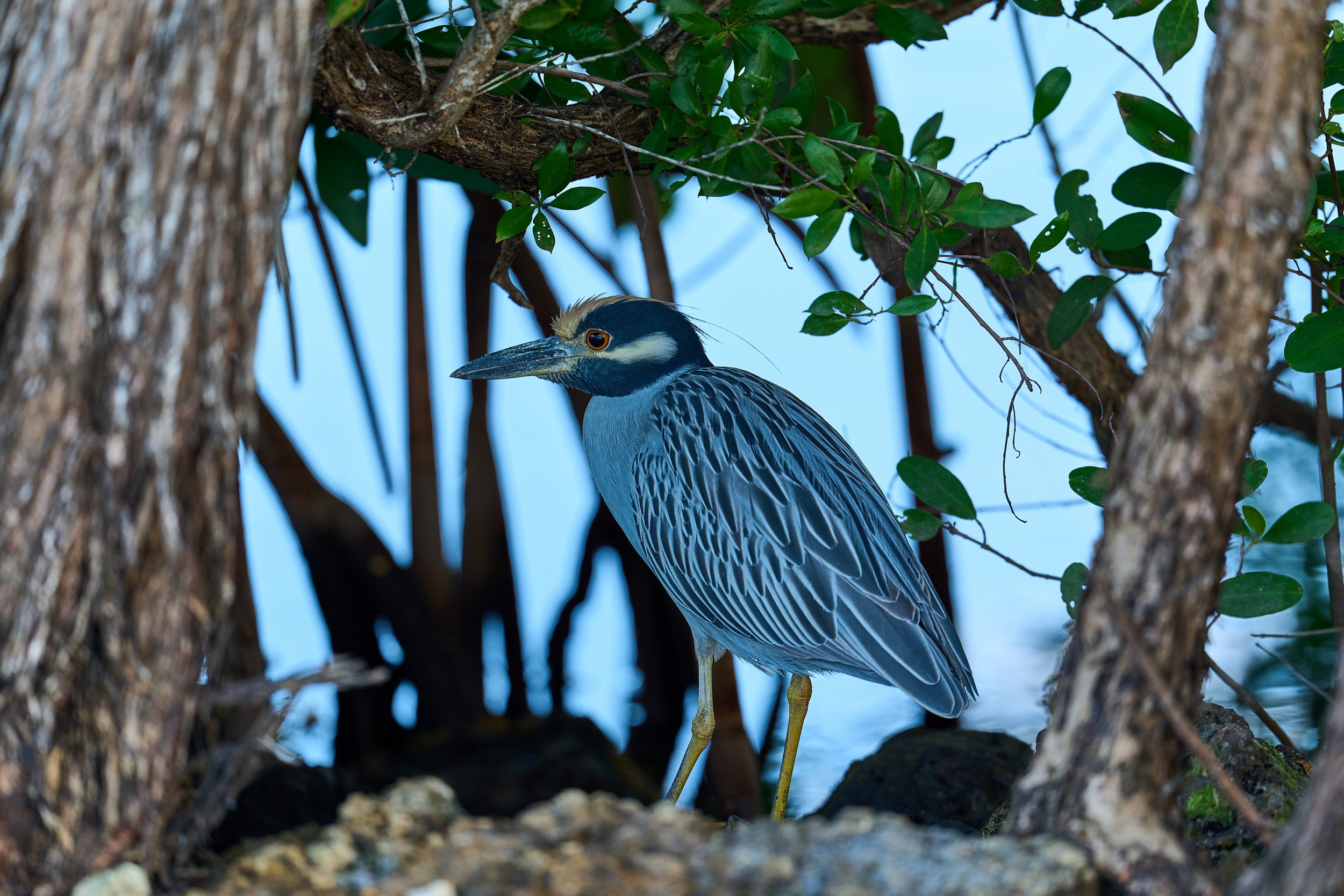
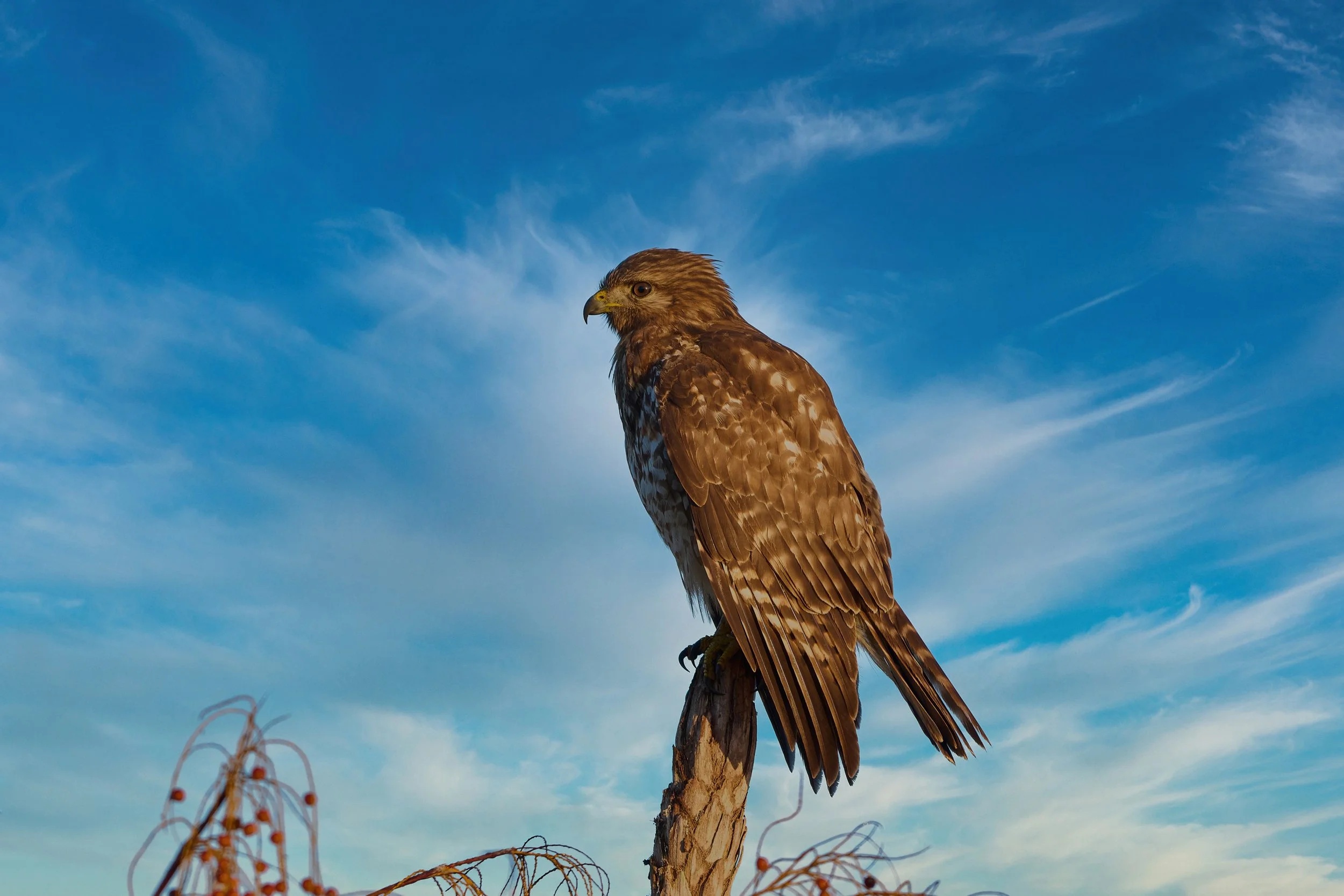
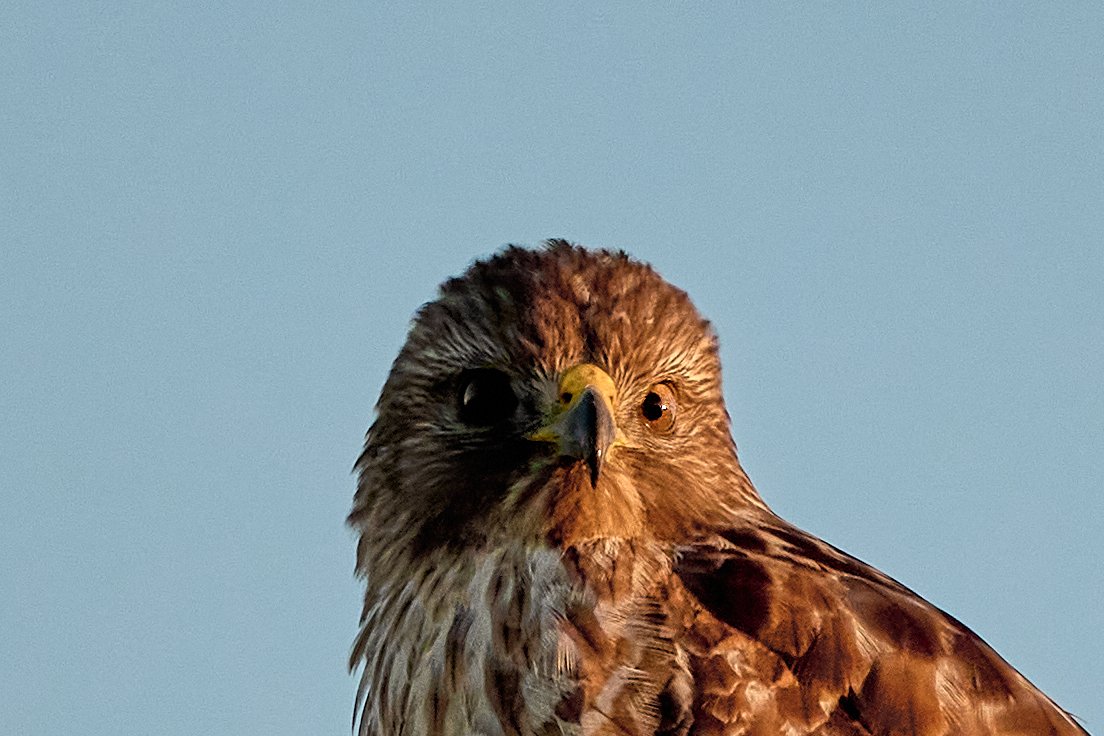
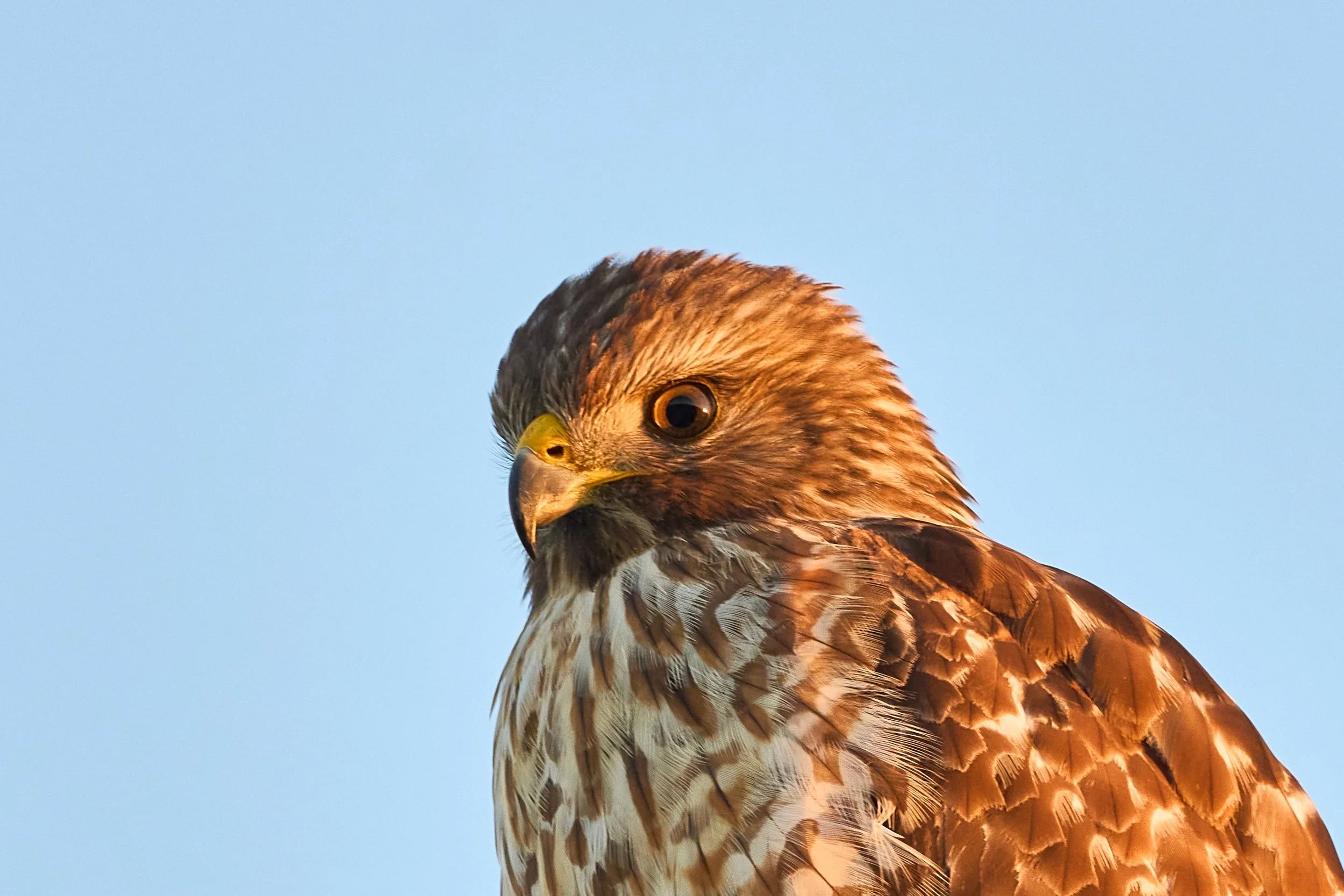
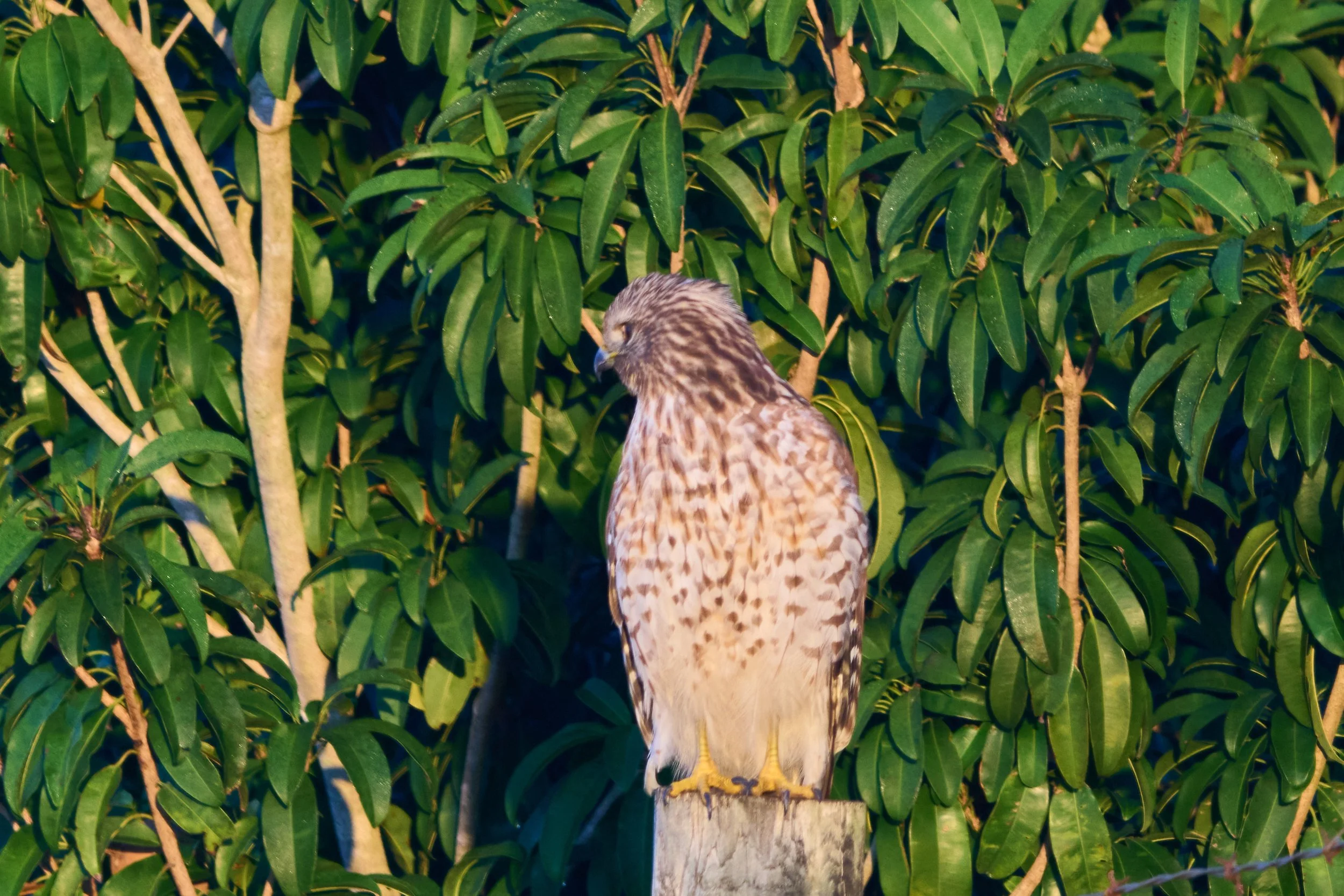
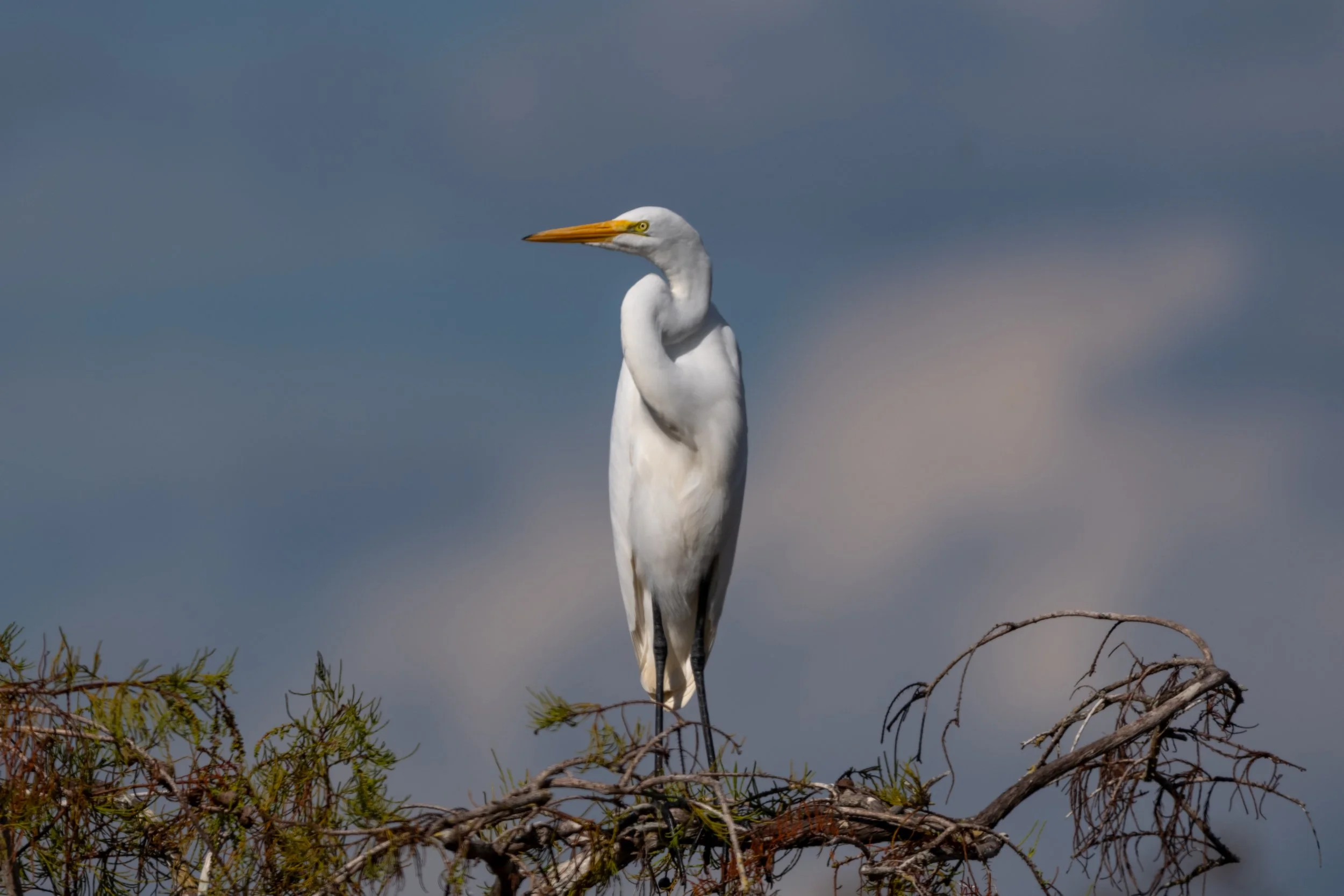
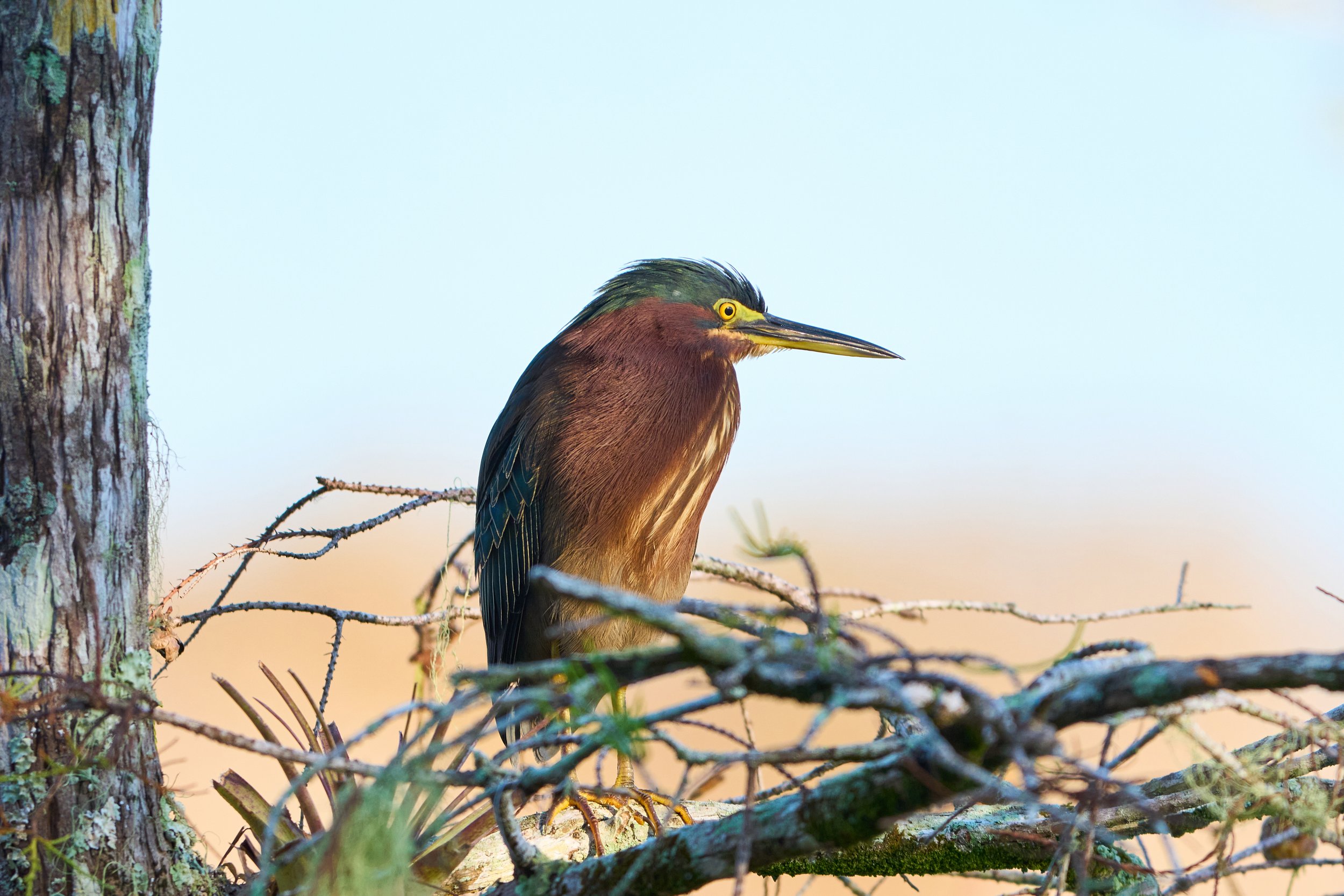
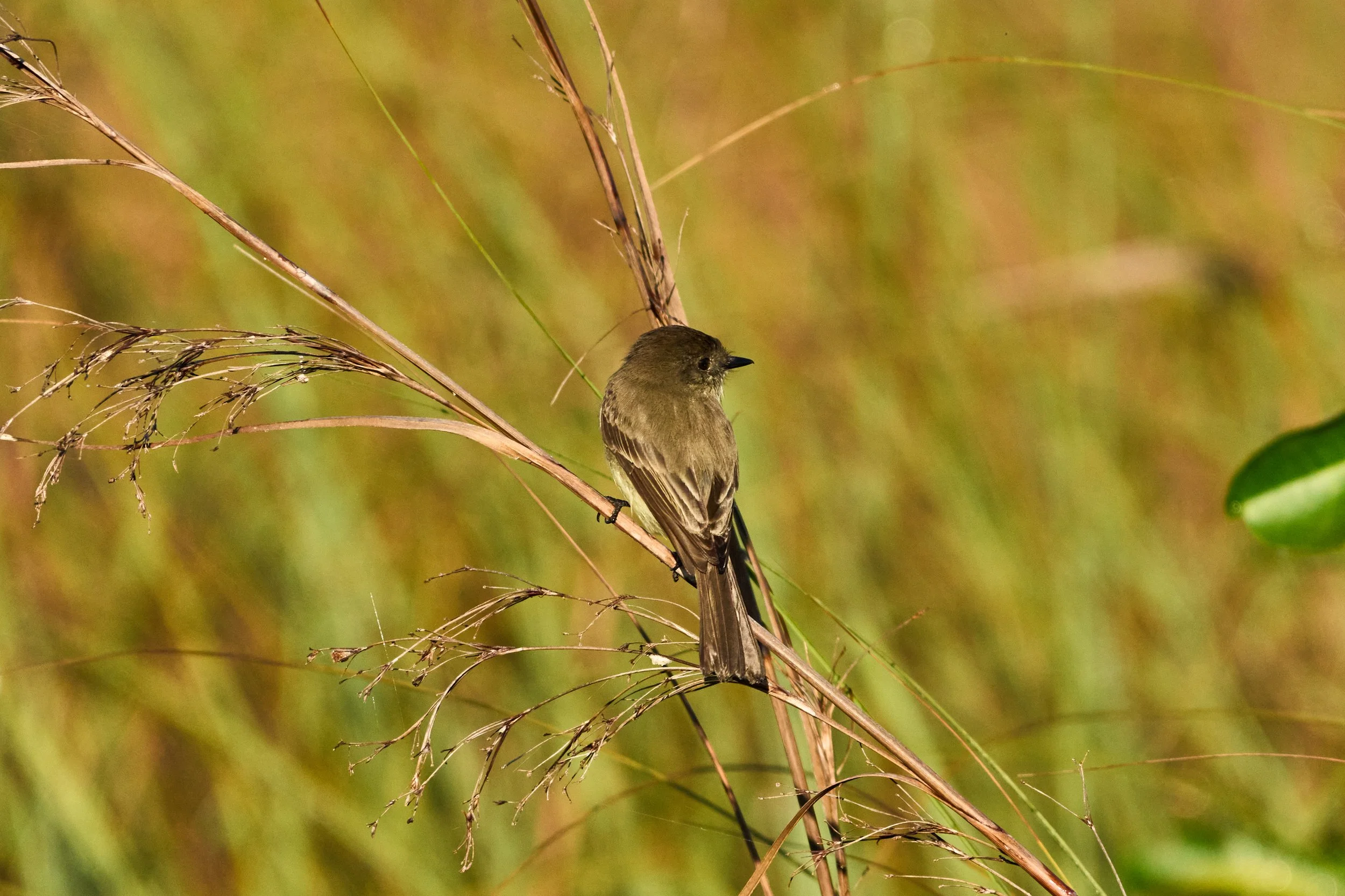
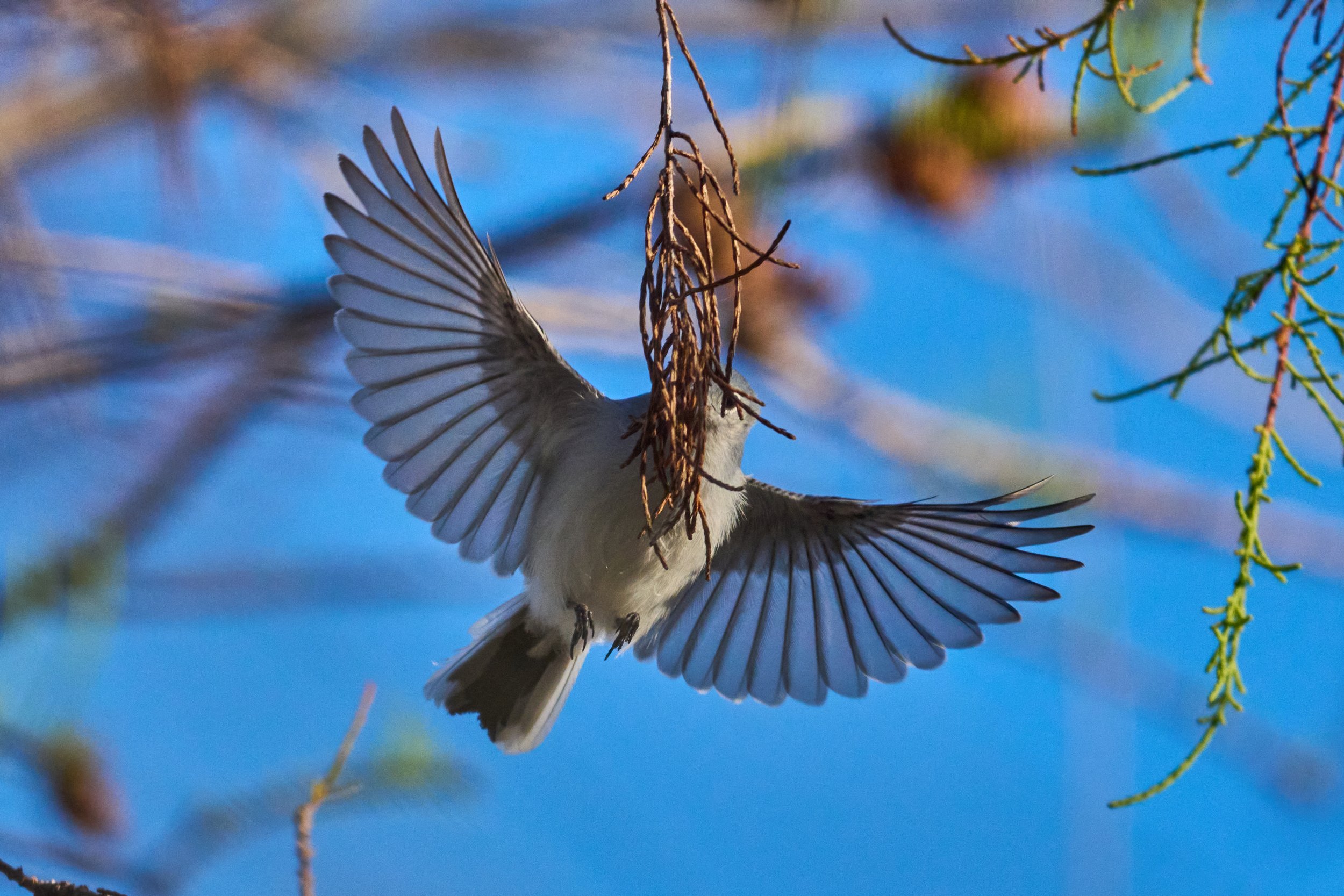
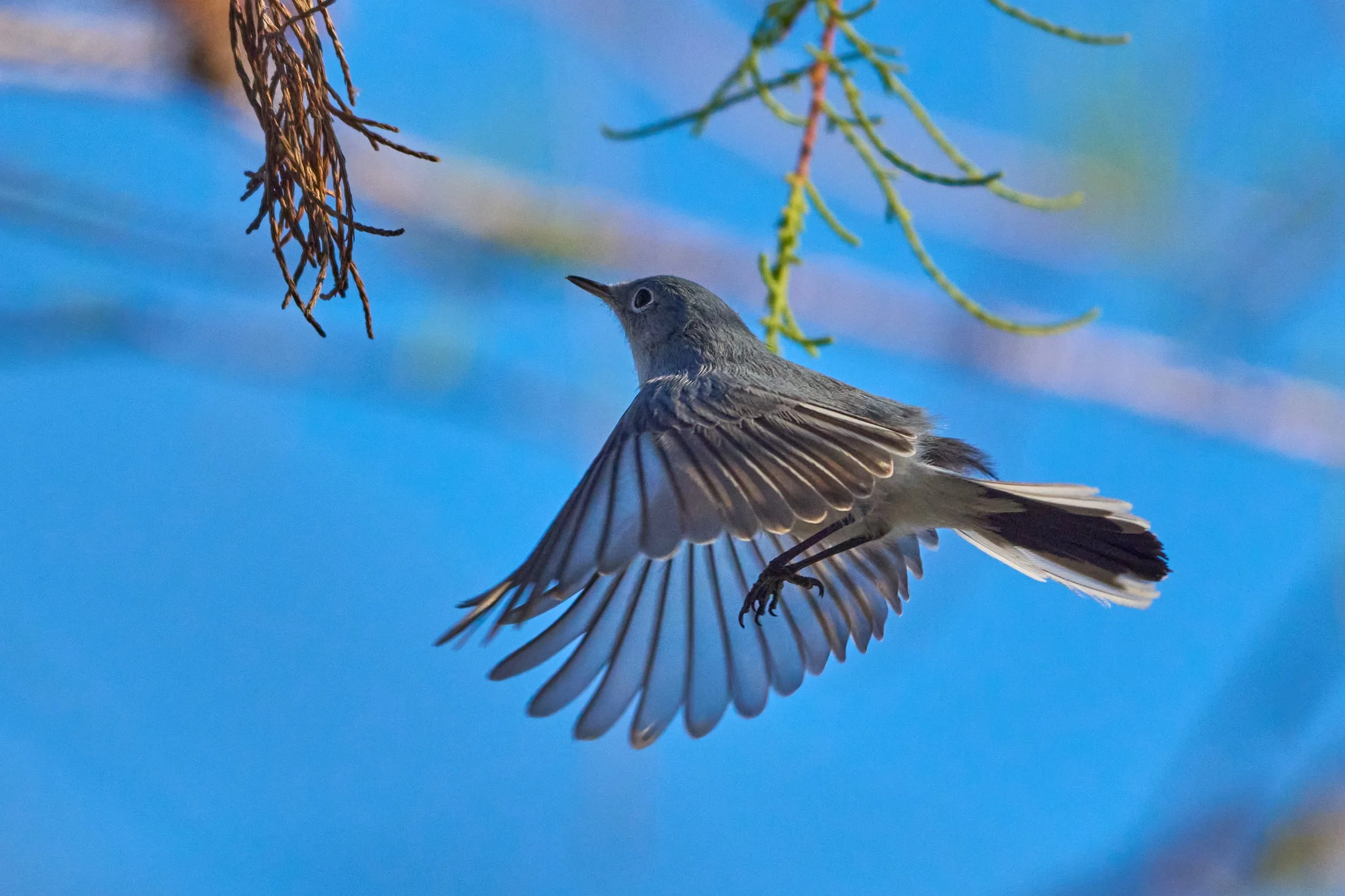
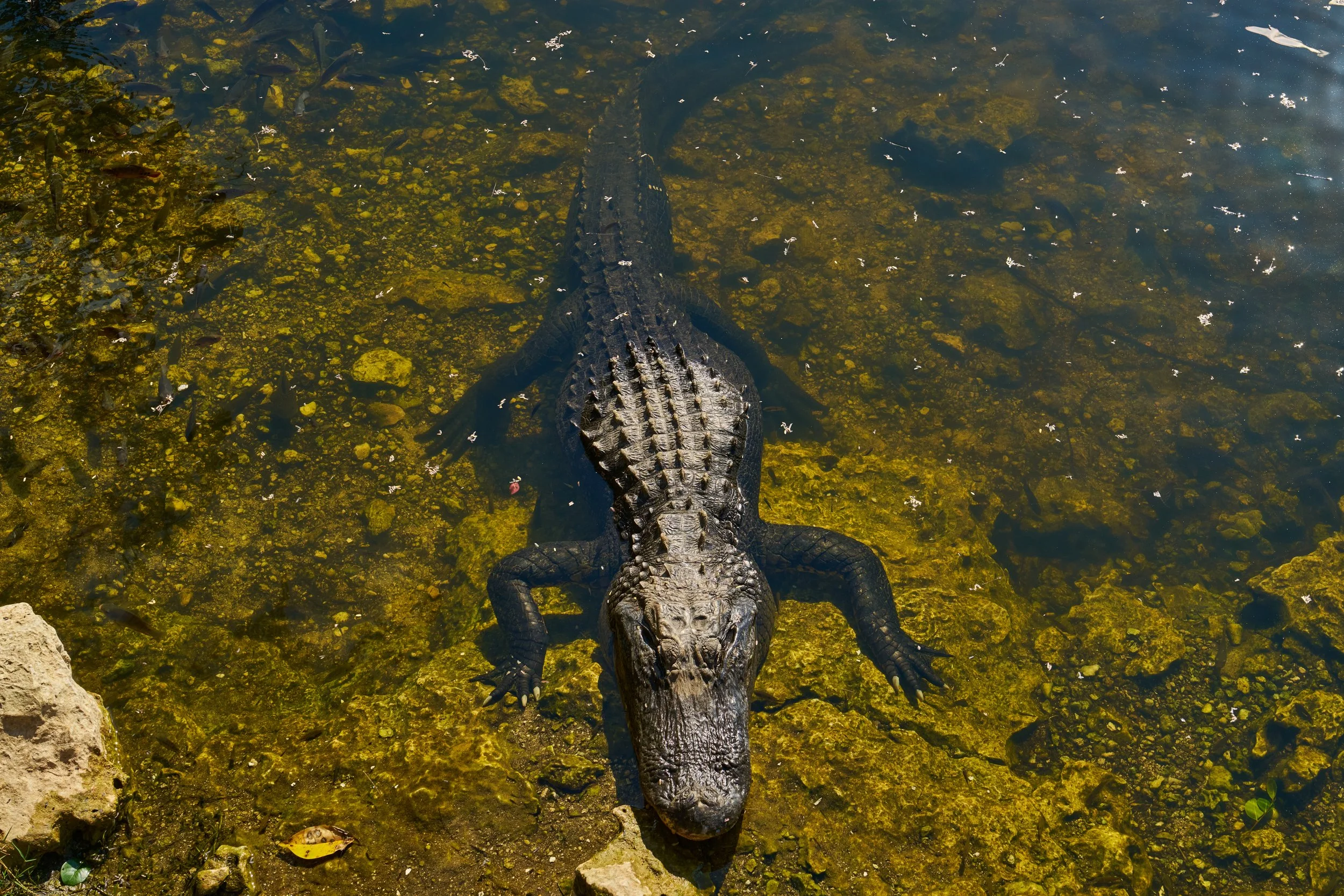
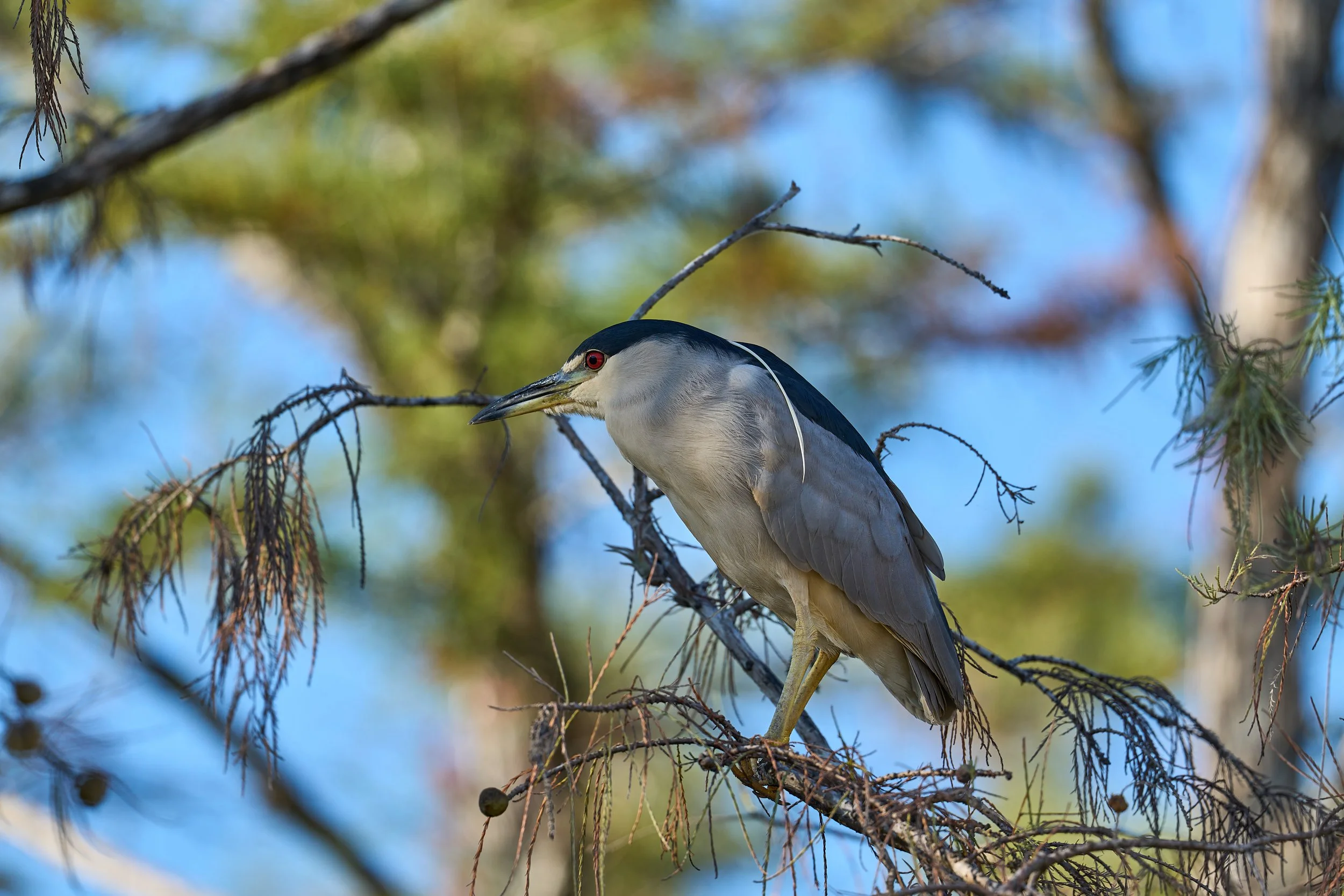
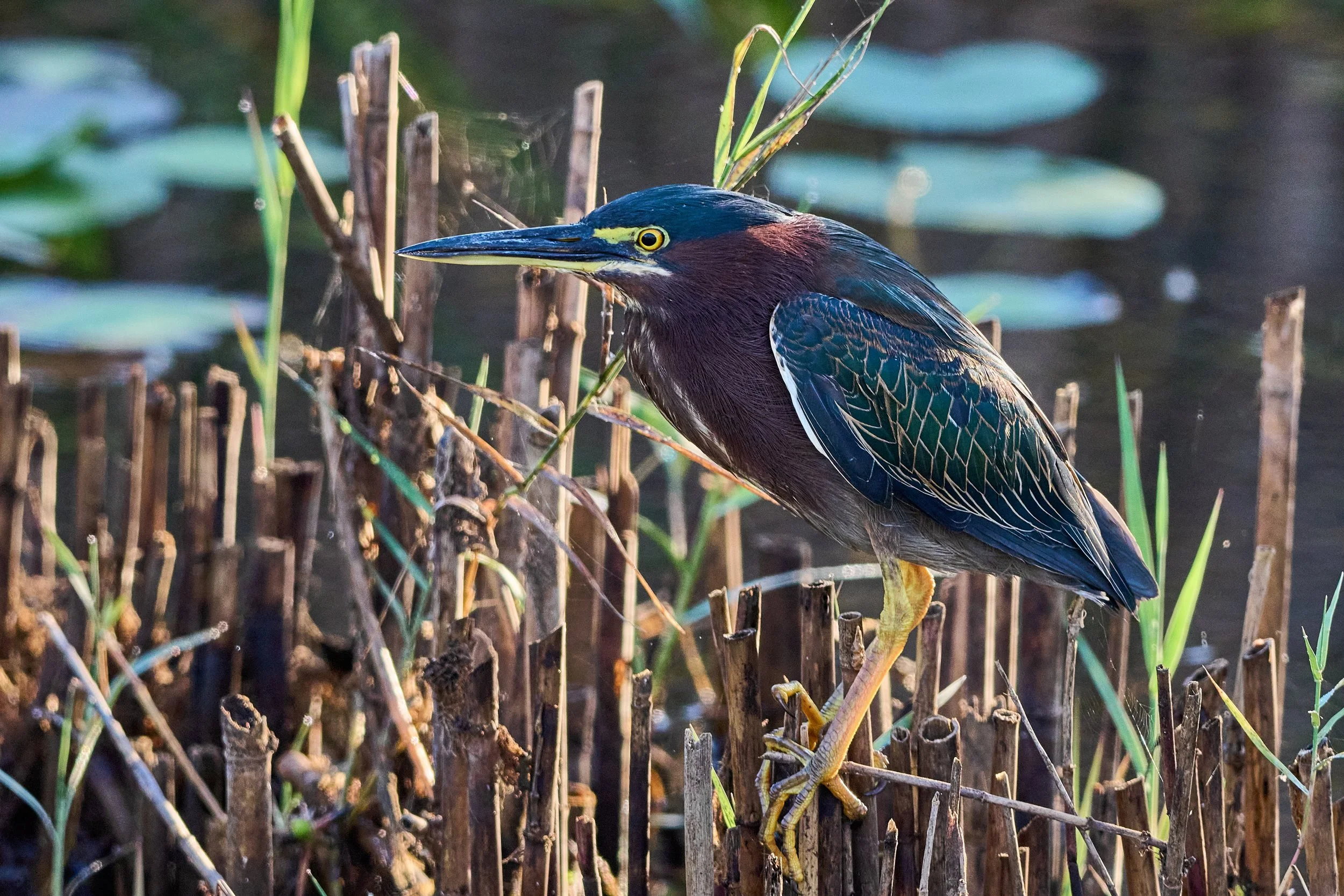
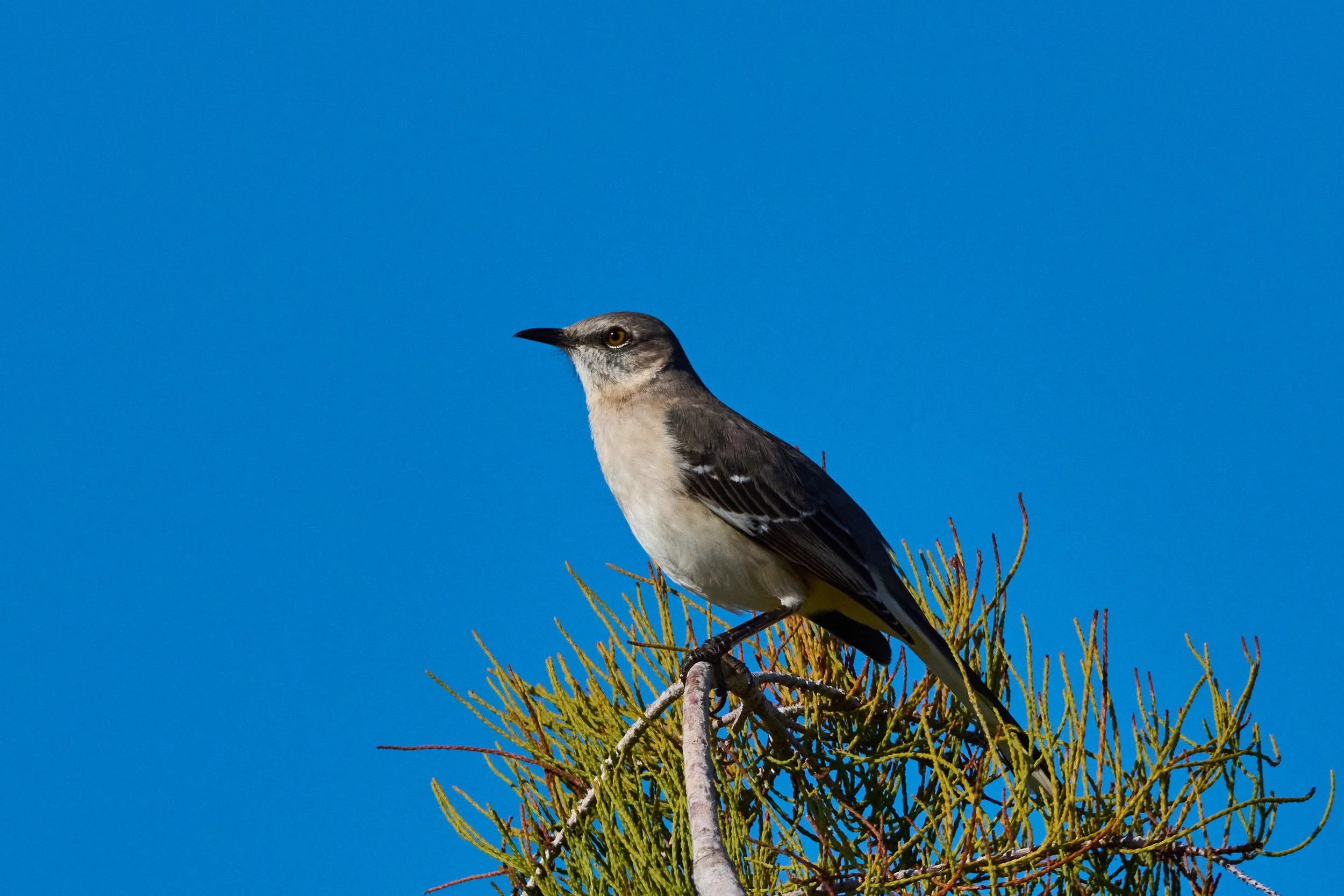
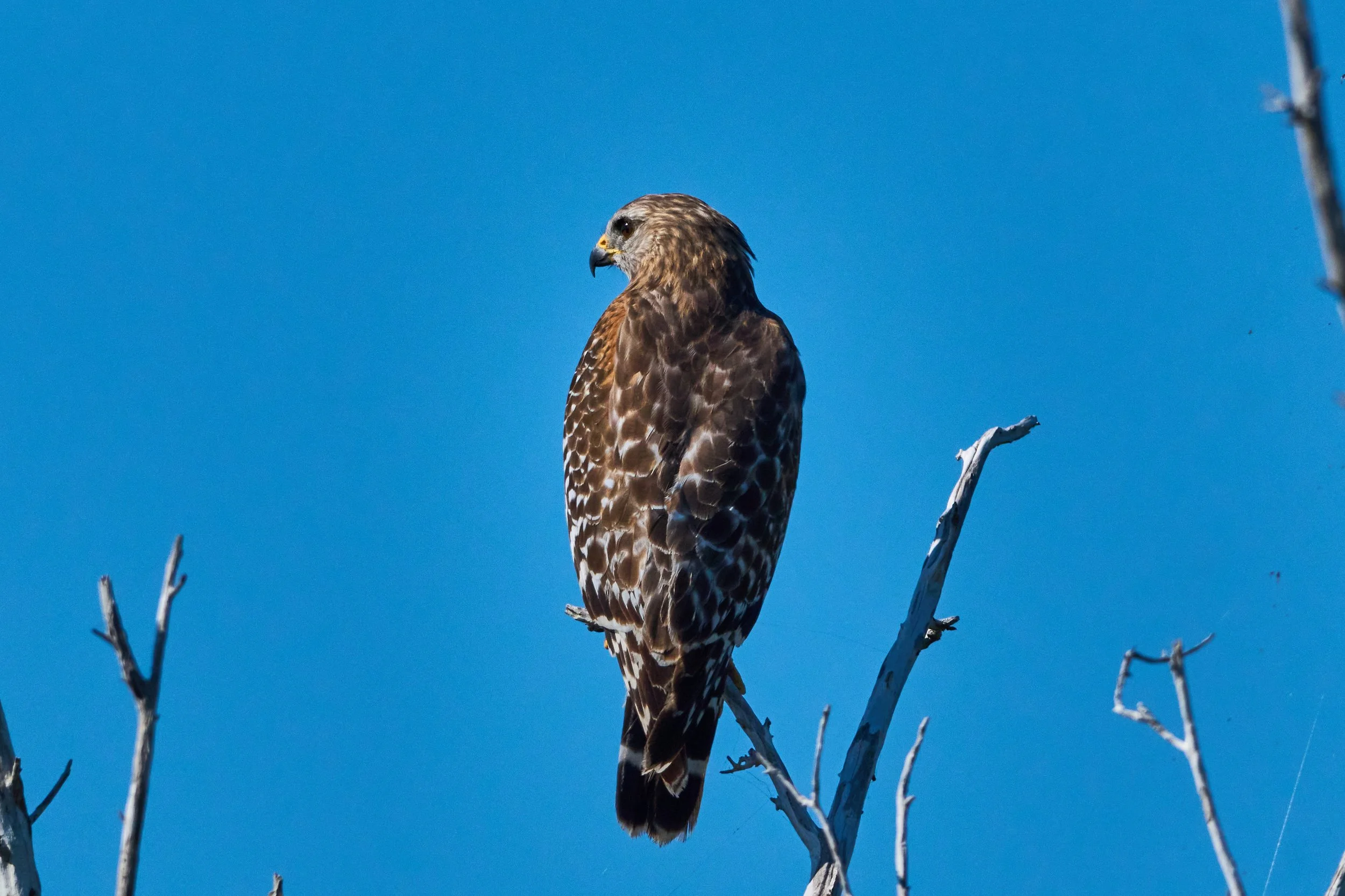
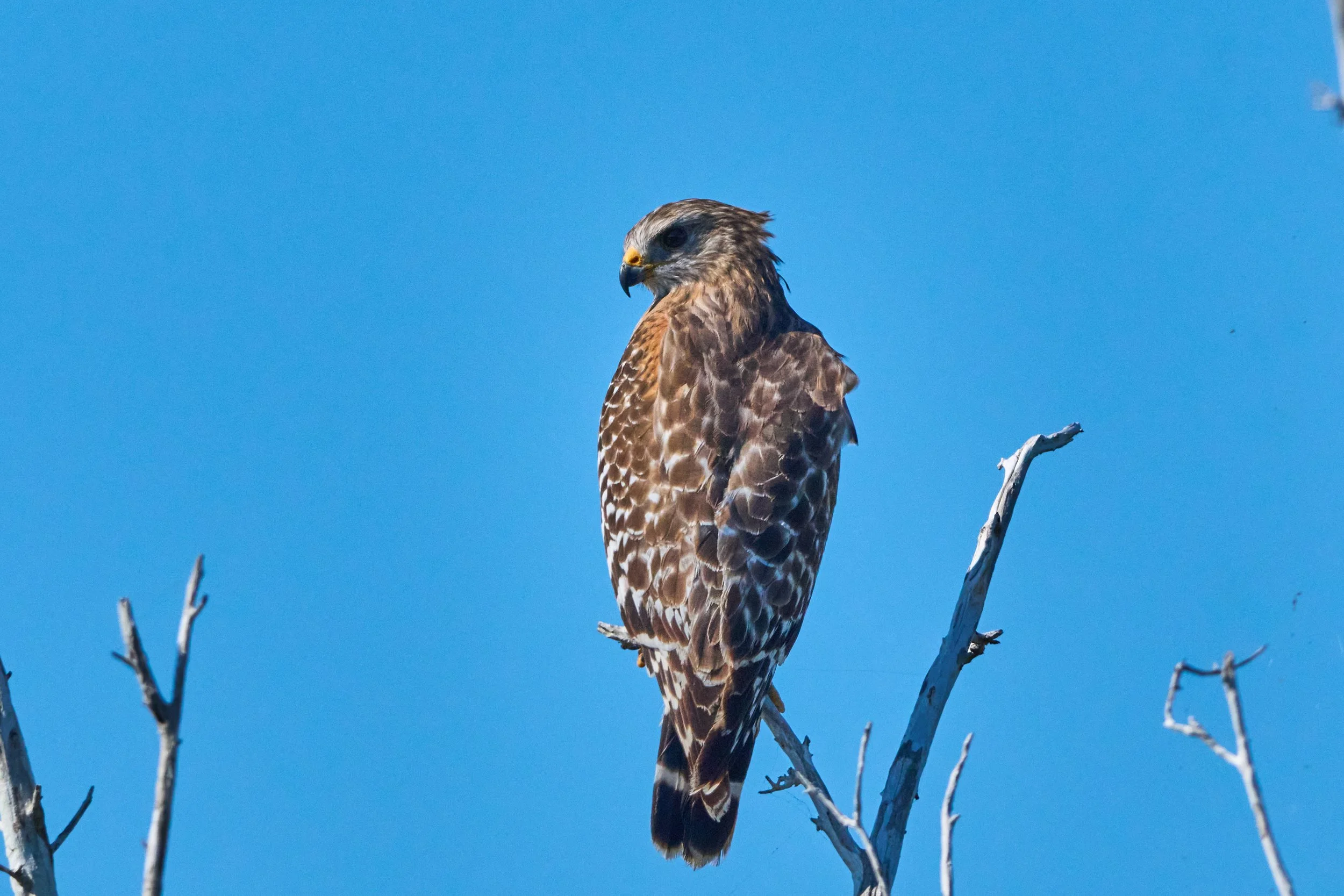
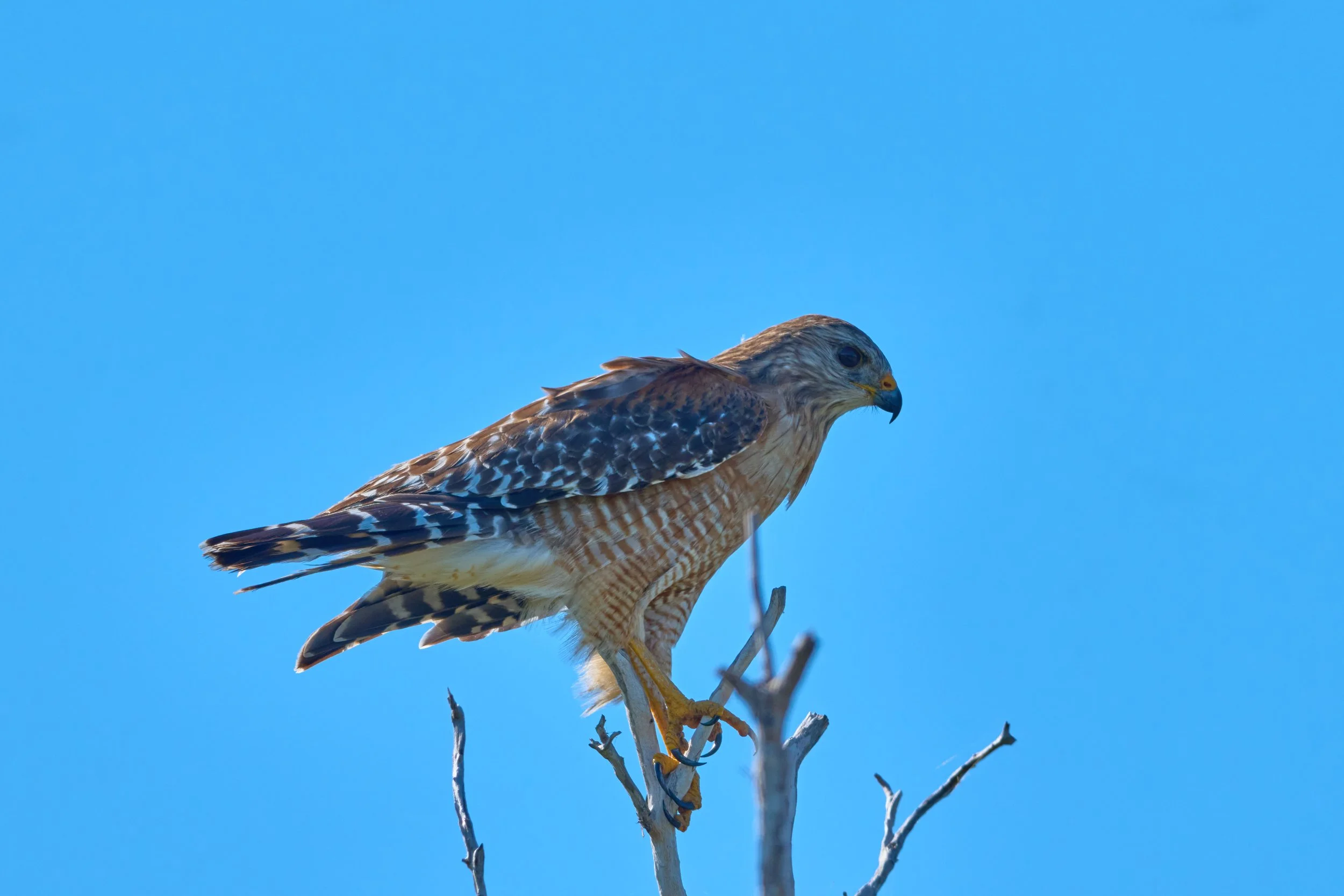
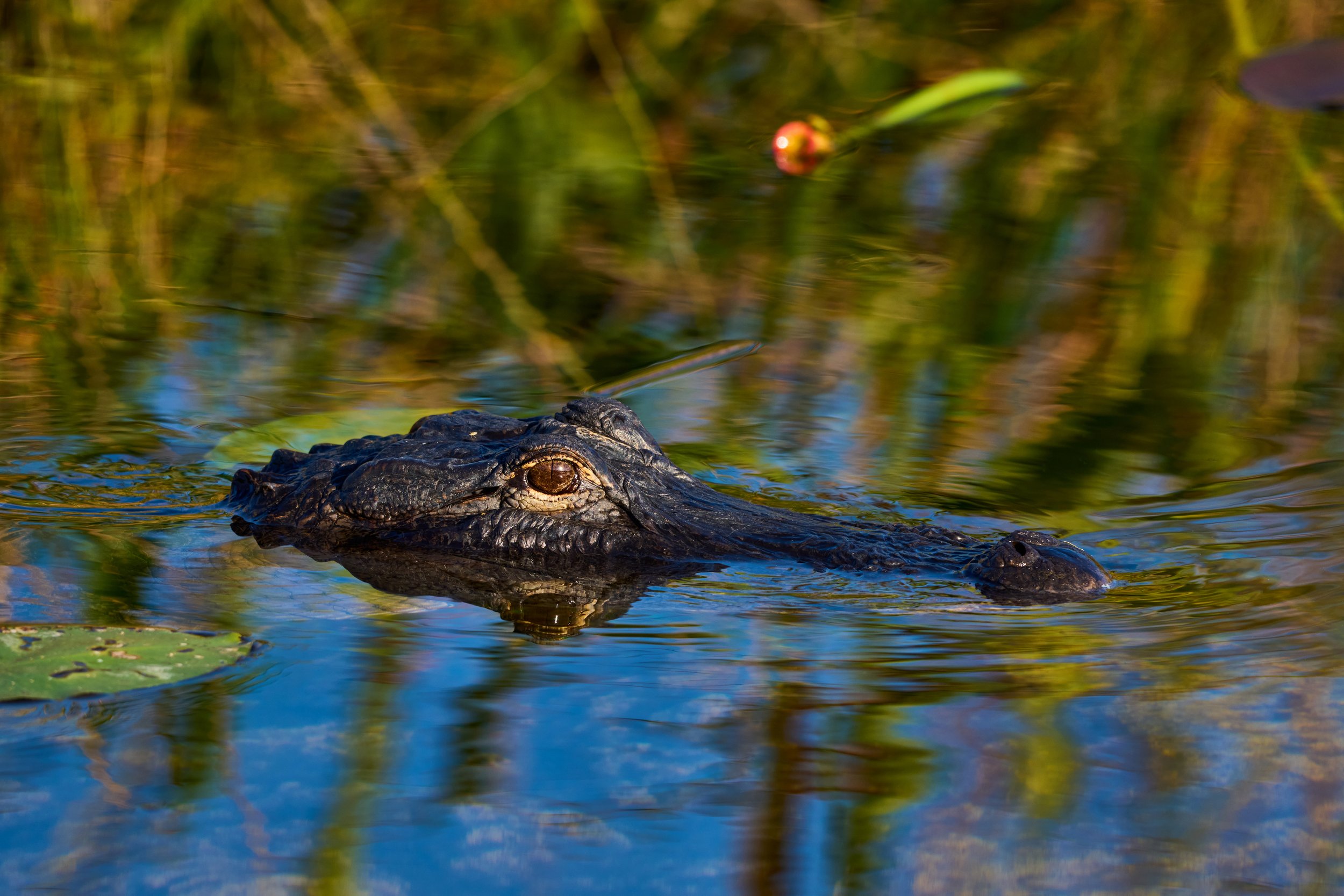
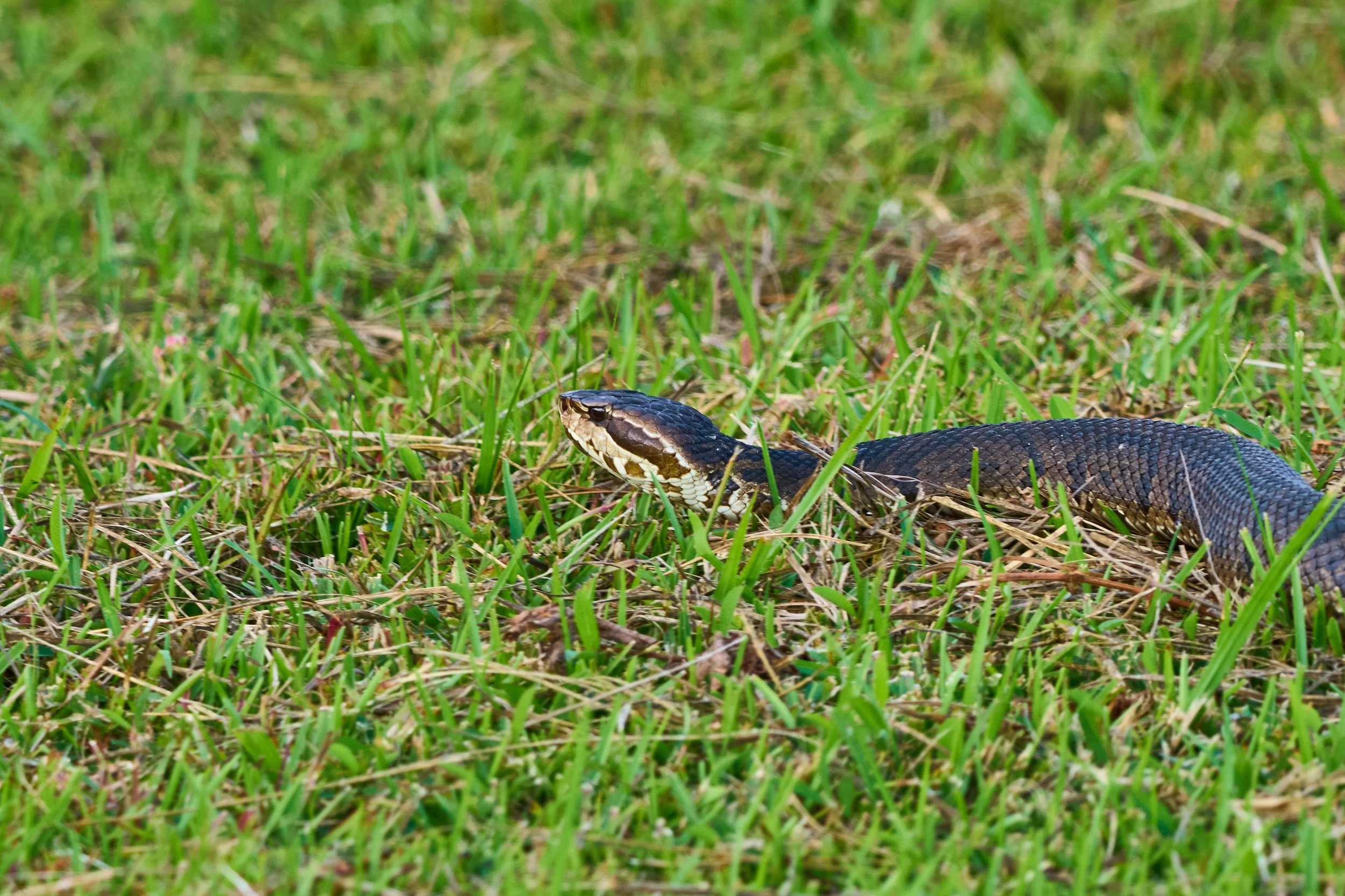
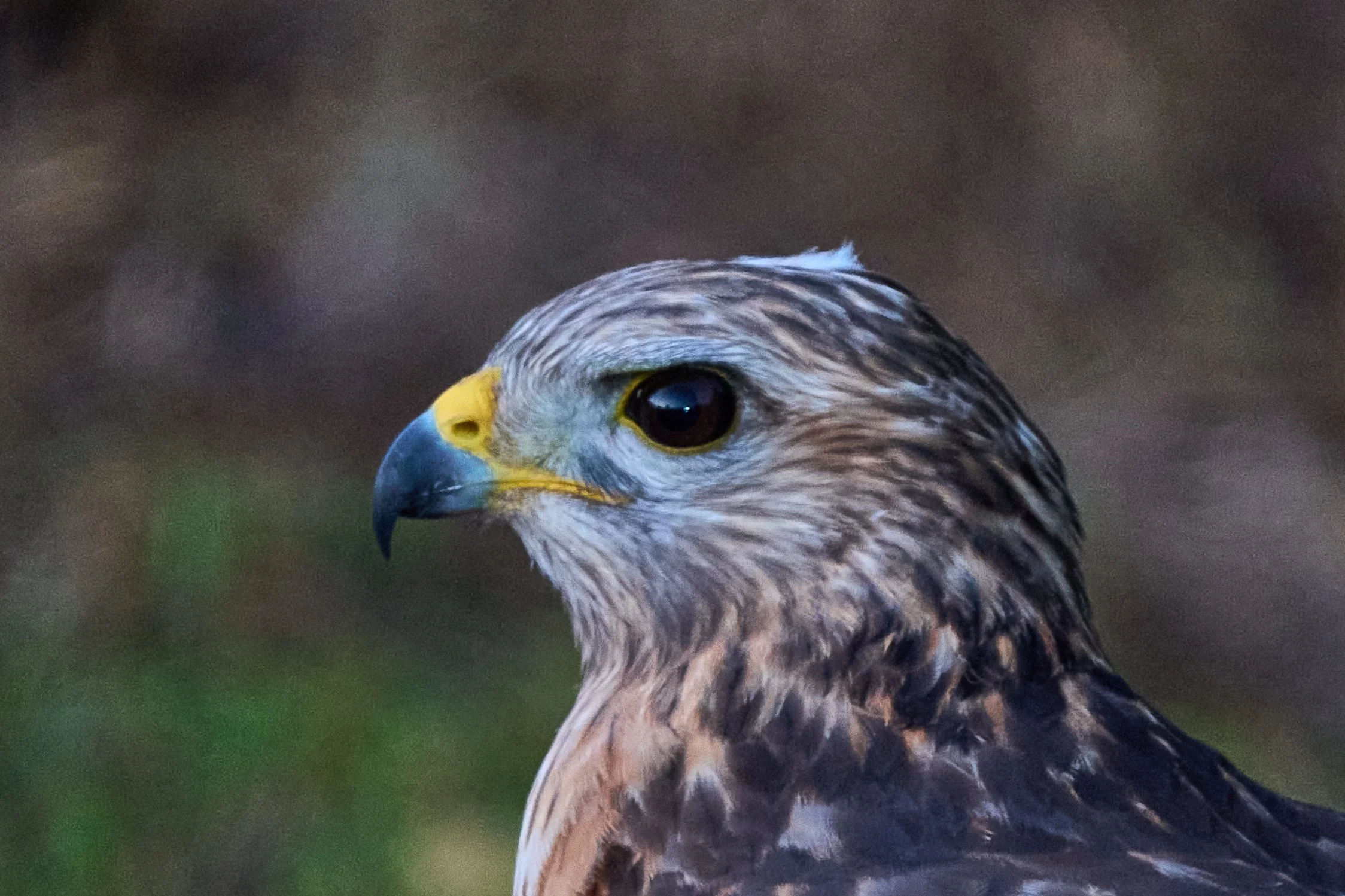
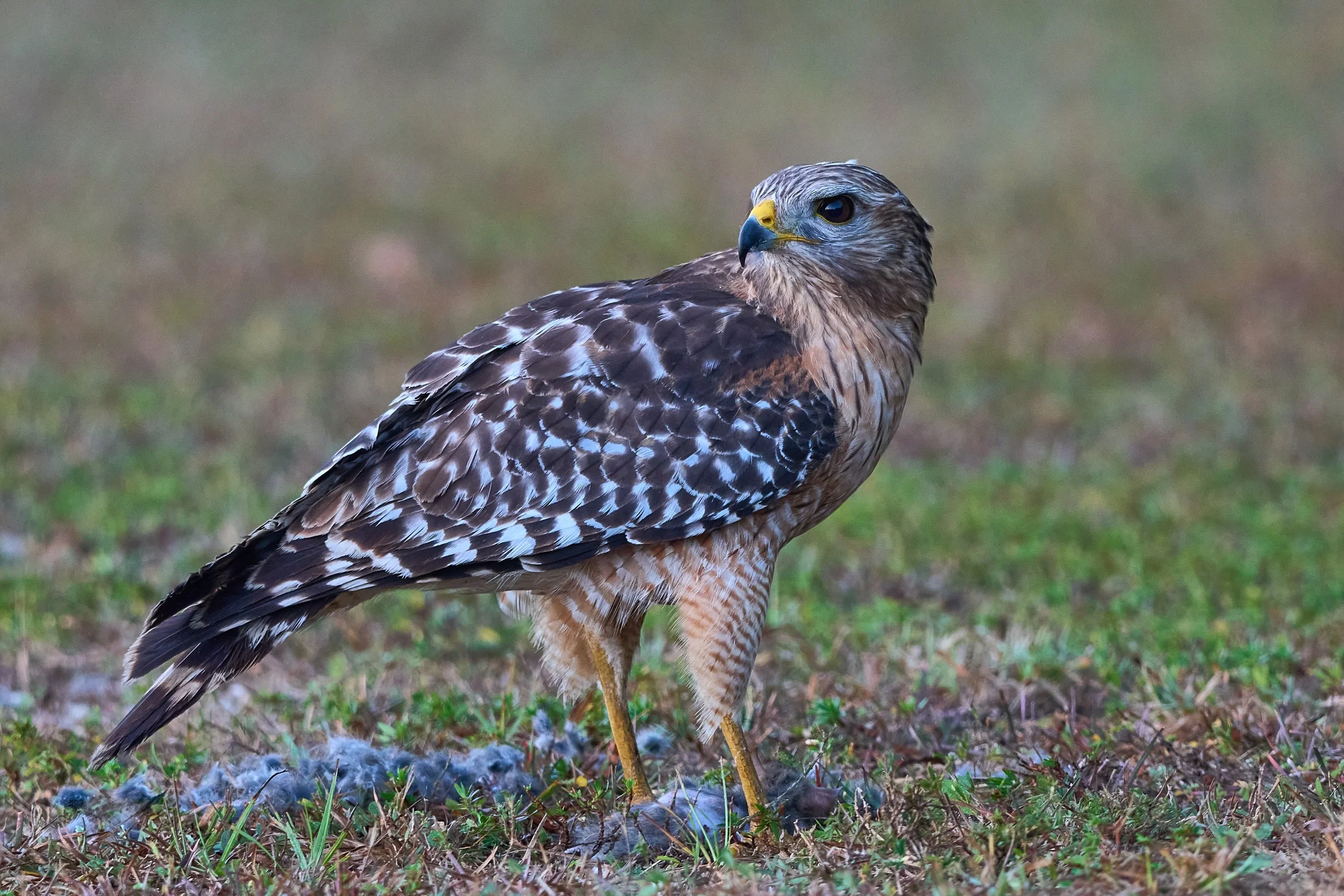
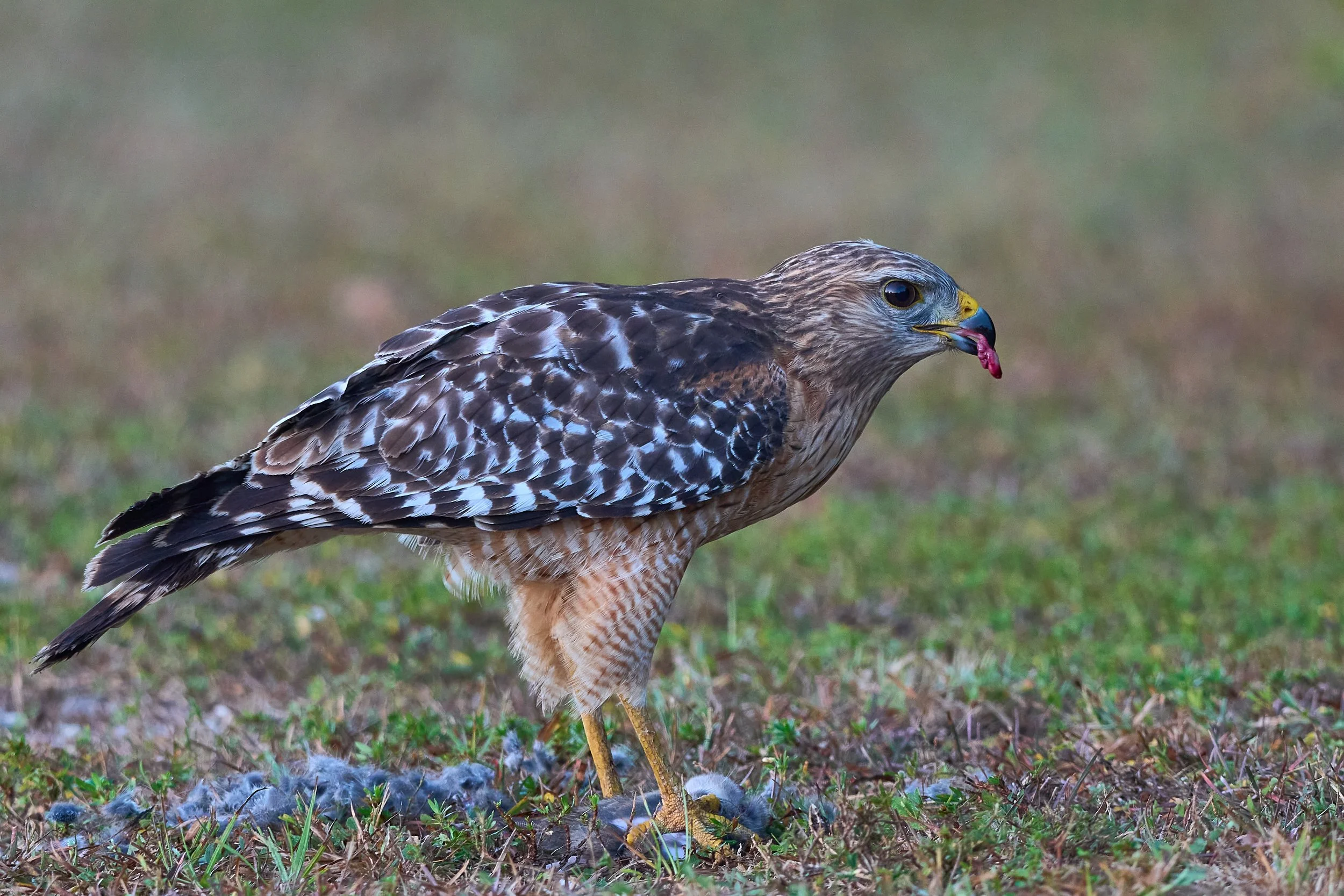
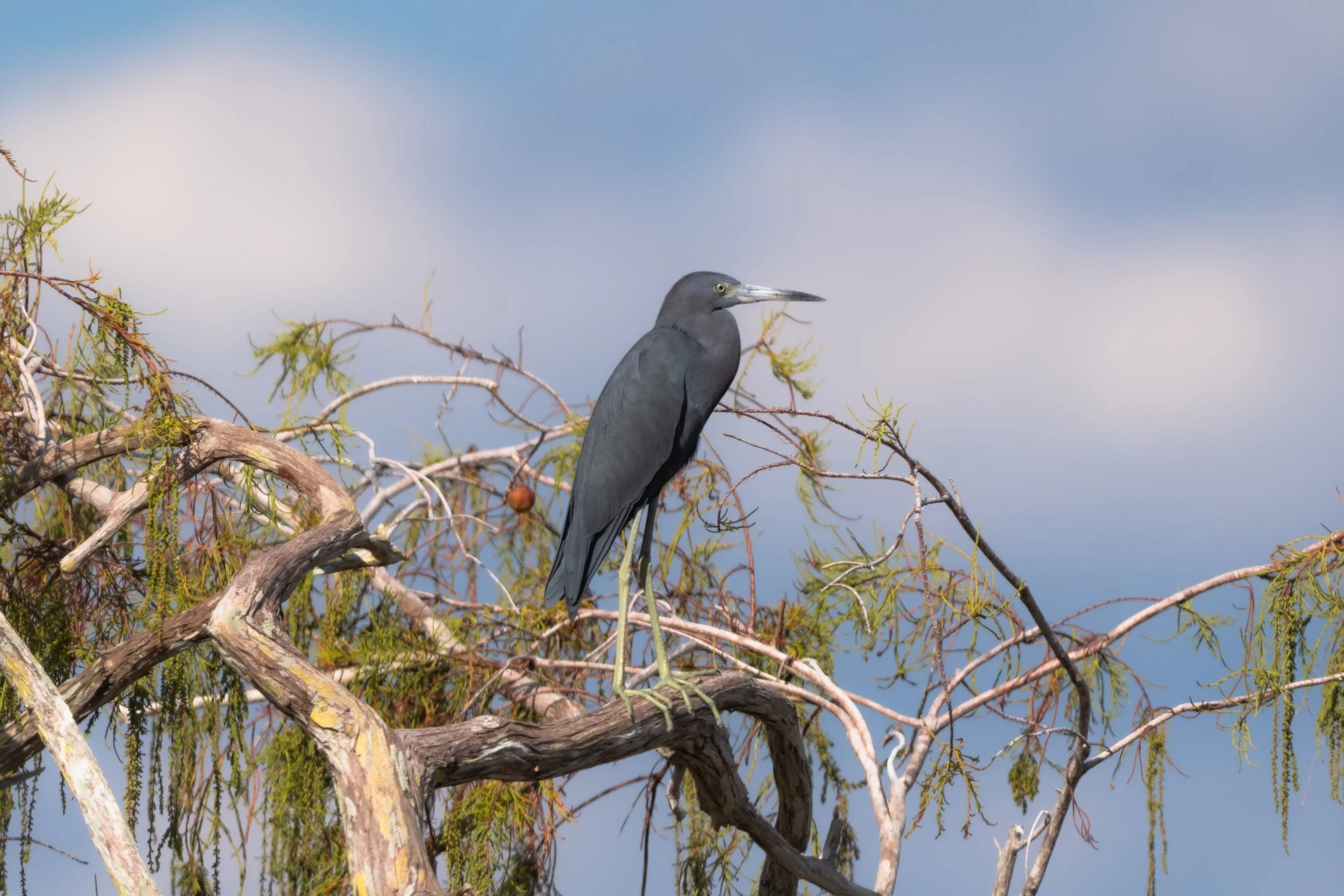
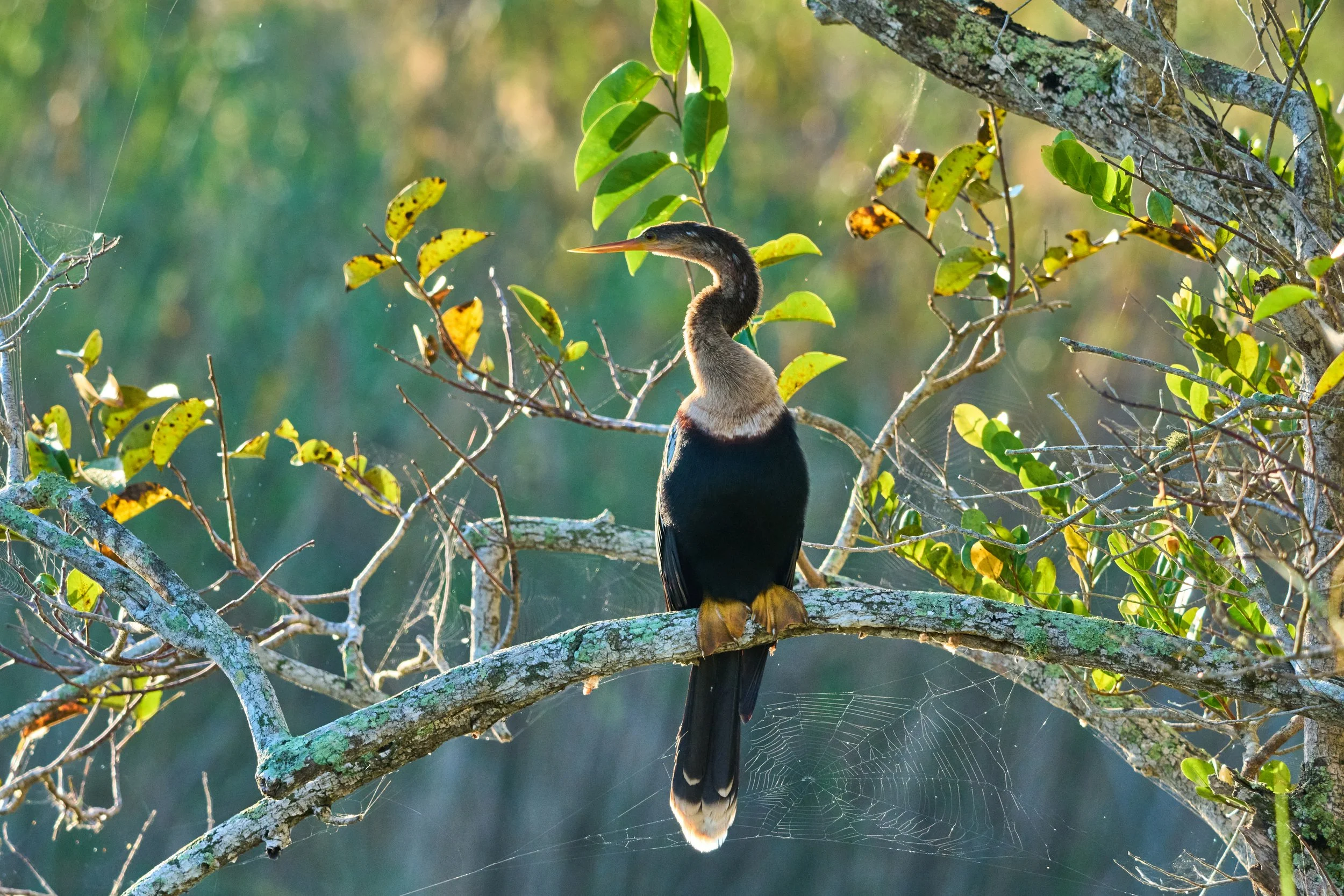
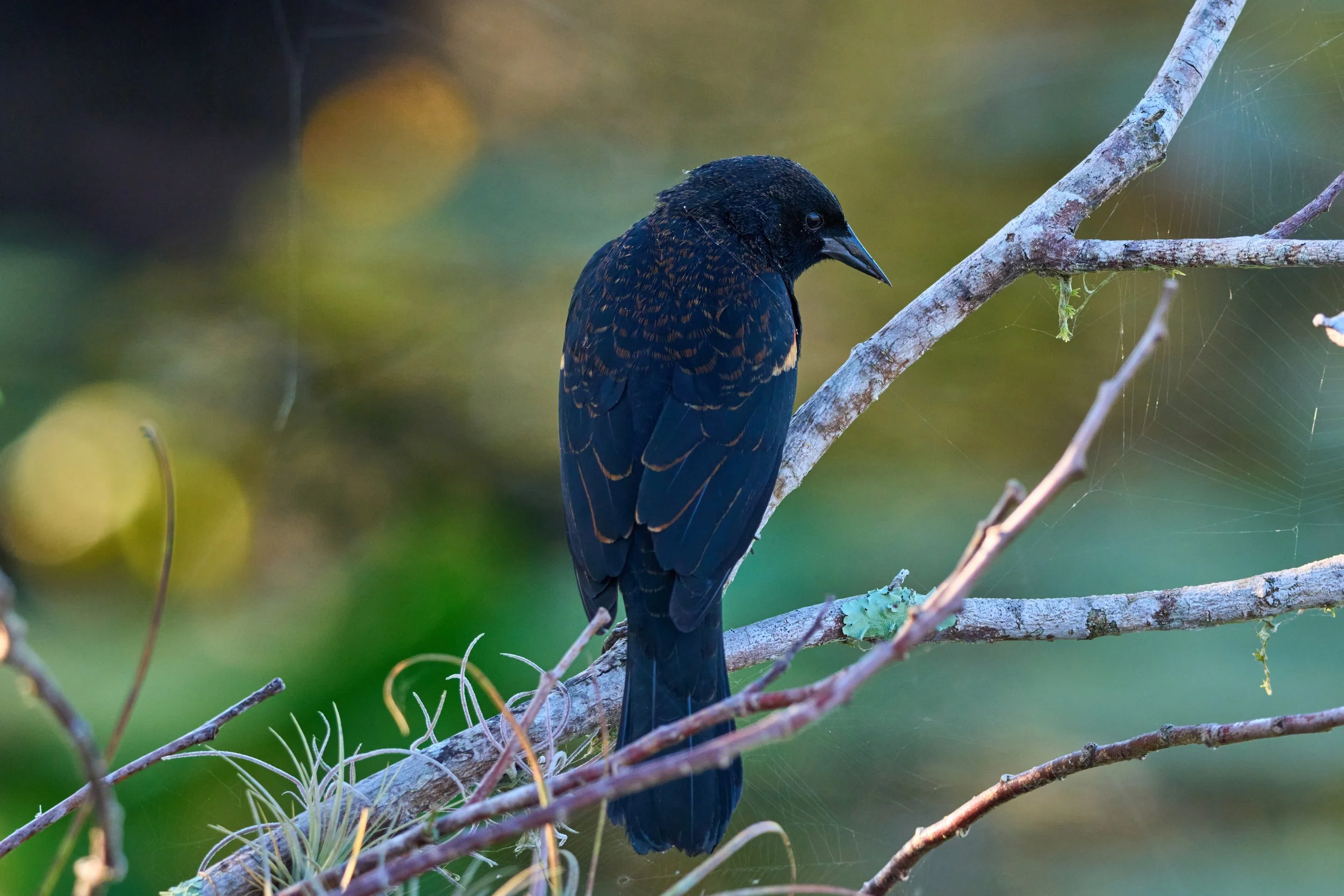
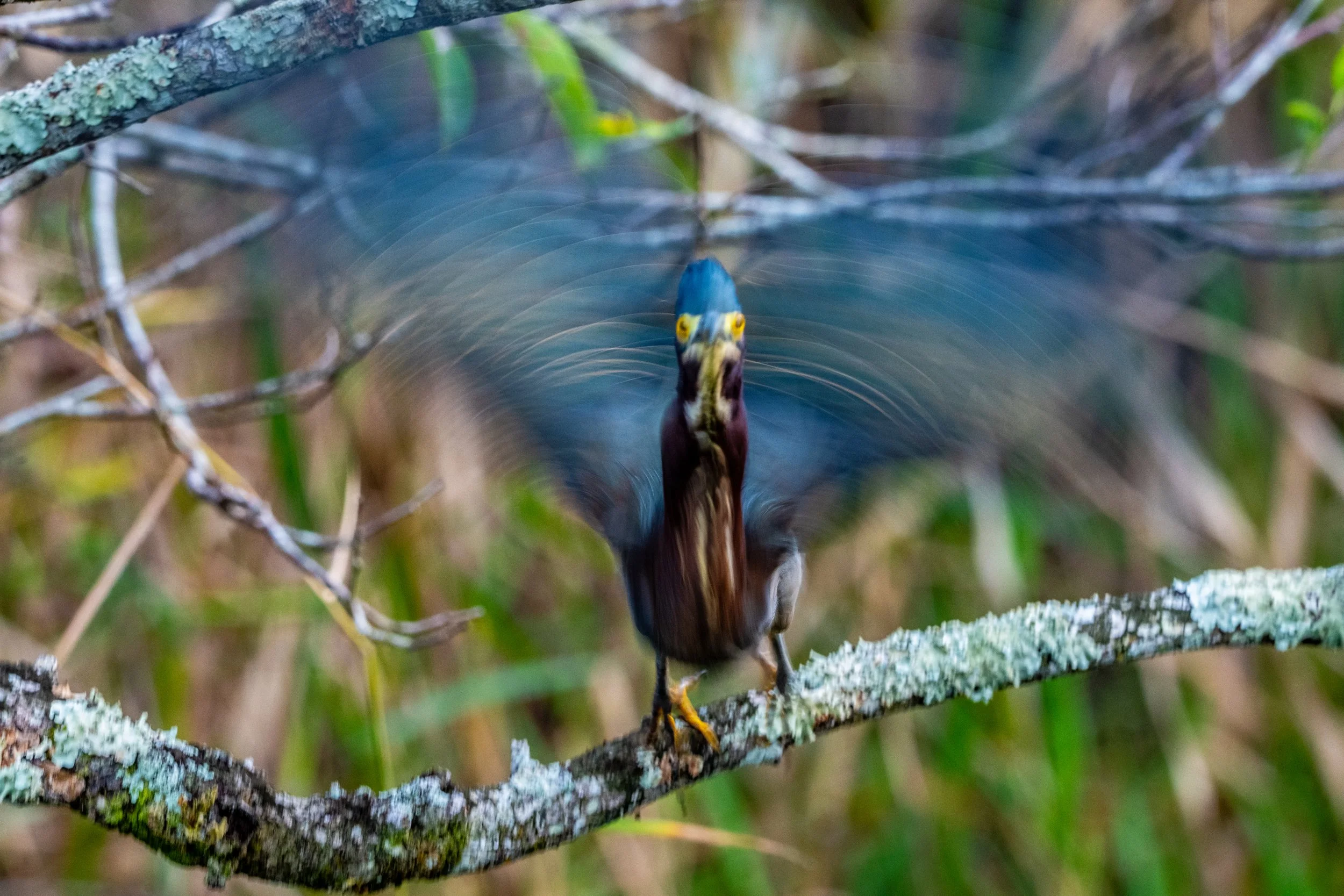
To a child, it felt untamed — almost forbidden. Alligators drifted through dark water like prehistoric sentinels. Raccoons darted along the banks. Deer stepped carefully through the marsh. Somewhere, unseen but deeply felt, the ghostlike Florida panther moved through shadow. Above it all, the sky pulsed with wings — herons, egrets, ibises, hawks — each bird a brushstroke in nature’s vast mural.
We never fully entered that wilderness. Instead, we skimmed its edge along the Tamiami Trail — the stretch many call “Alligator Alley” — a ribbon of asphalt cutting through a land that felt sacred and slightly dangerous. For me, it was a passageway between worlds.
The closest I came to stepping inside the mystery was aboard those glass-bottom tour boats. They floated between realms — the familiar and the unknown — offering fleeting glimpses beneath the surface. Through clear panels at my feet, shadows moved in silence: fish flashing like silver sparks, ripples betraying unseen life below. Each ride was brief, but each felt profound.
Something awakened in me there.
The Everglades did not shout. It whispered. It invited. It demanded attention.
The air hung thick with humidity and possibility, carrying the scent of earth, water, and wildness. I felt both awe and unease — that delicious tension between fear and fascination. It was my first understanding that beauty and danger are not opposites; they are companions.
Over time, the Everglades became more than a destination. It became myth. Memory. A living frontier that called to something deeper in me — something that would later shape how I see the world through a lens.
Today, when I return, I see a landscape both magnificent and wounded.
What was once a boundless river of grass now strains against canals, dams, and roadways. Development presses in. Invasive species move like quiet conquerors. The balance that sustained this ecosystem for millennia grows more fragile with each passing year.
The chorus of native birds feels softer. Deer and raccoons appear less often. The Florida panther seems more legend than presence.
And yet — even altered — the Everglades still stirs that same current within me.
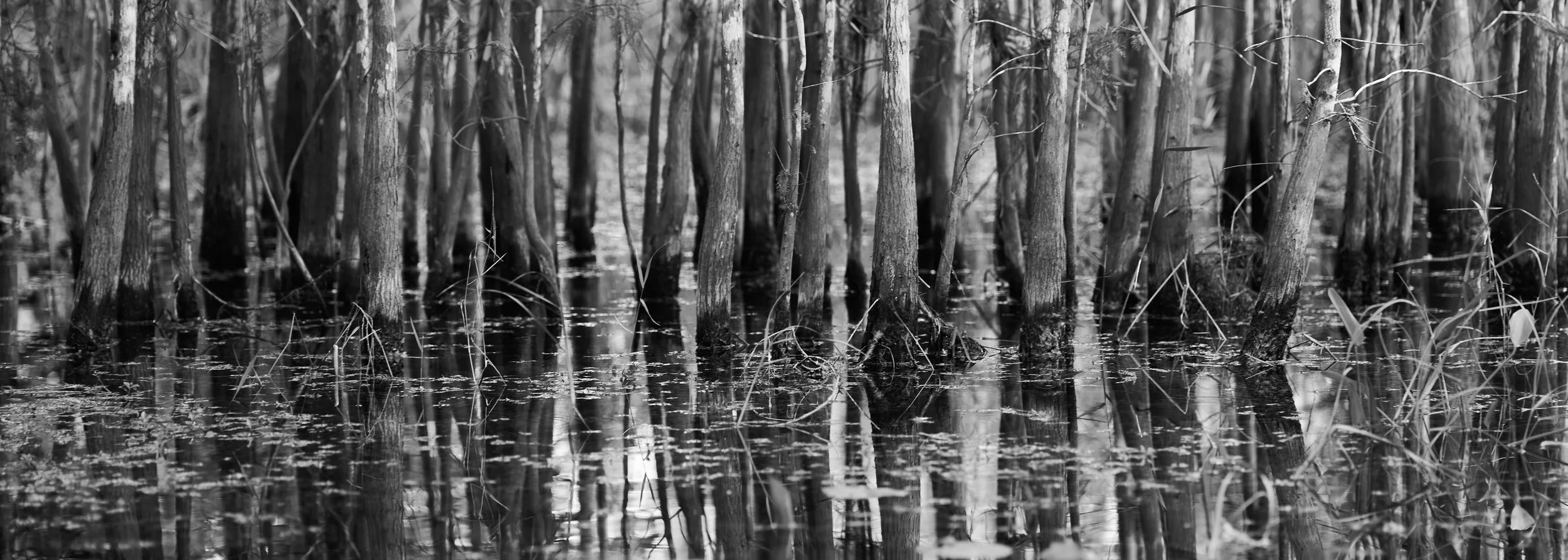
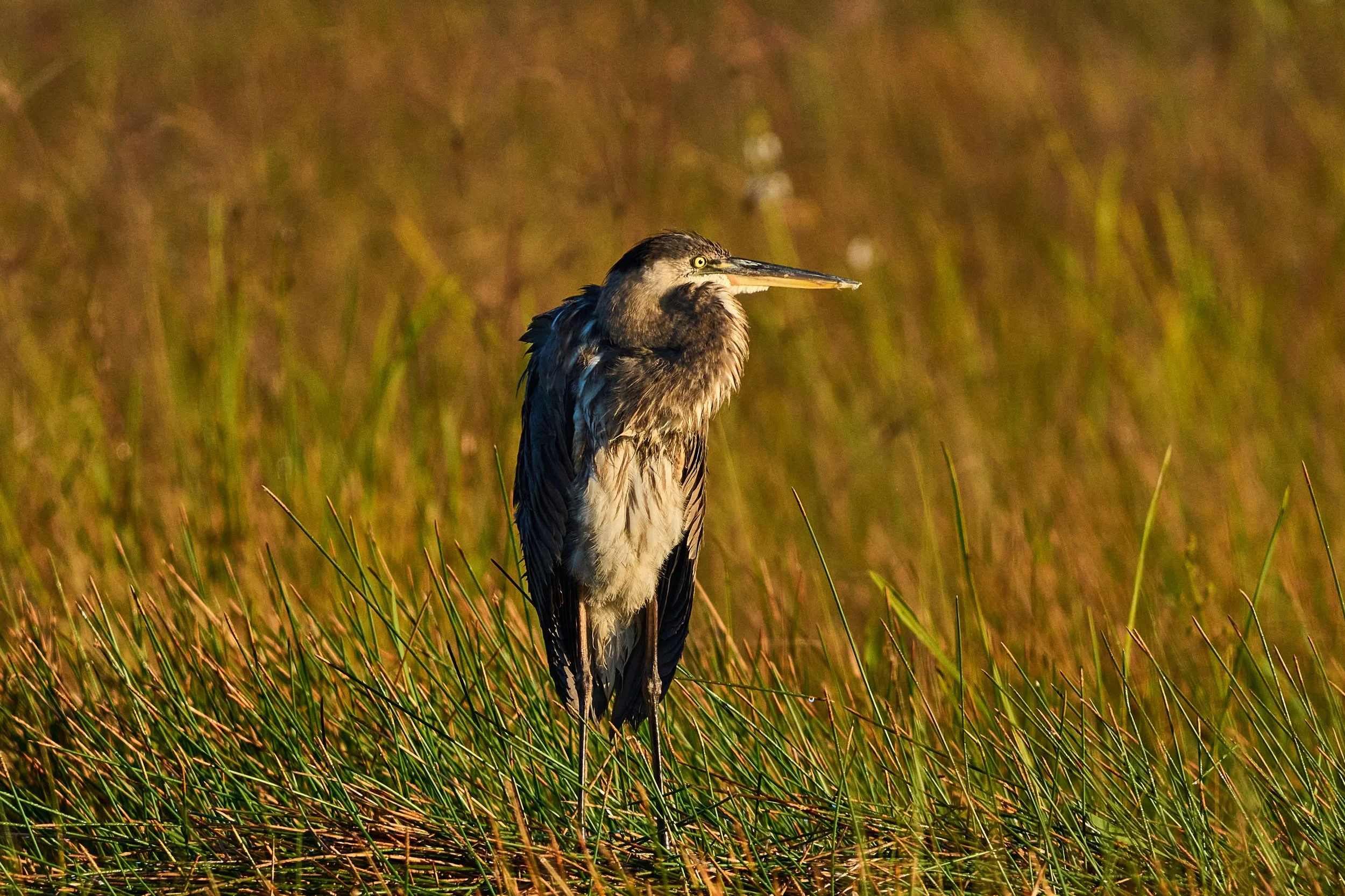
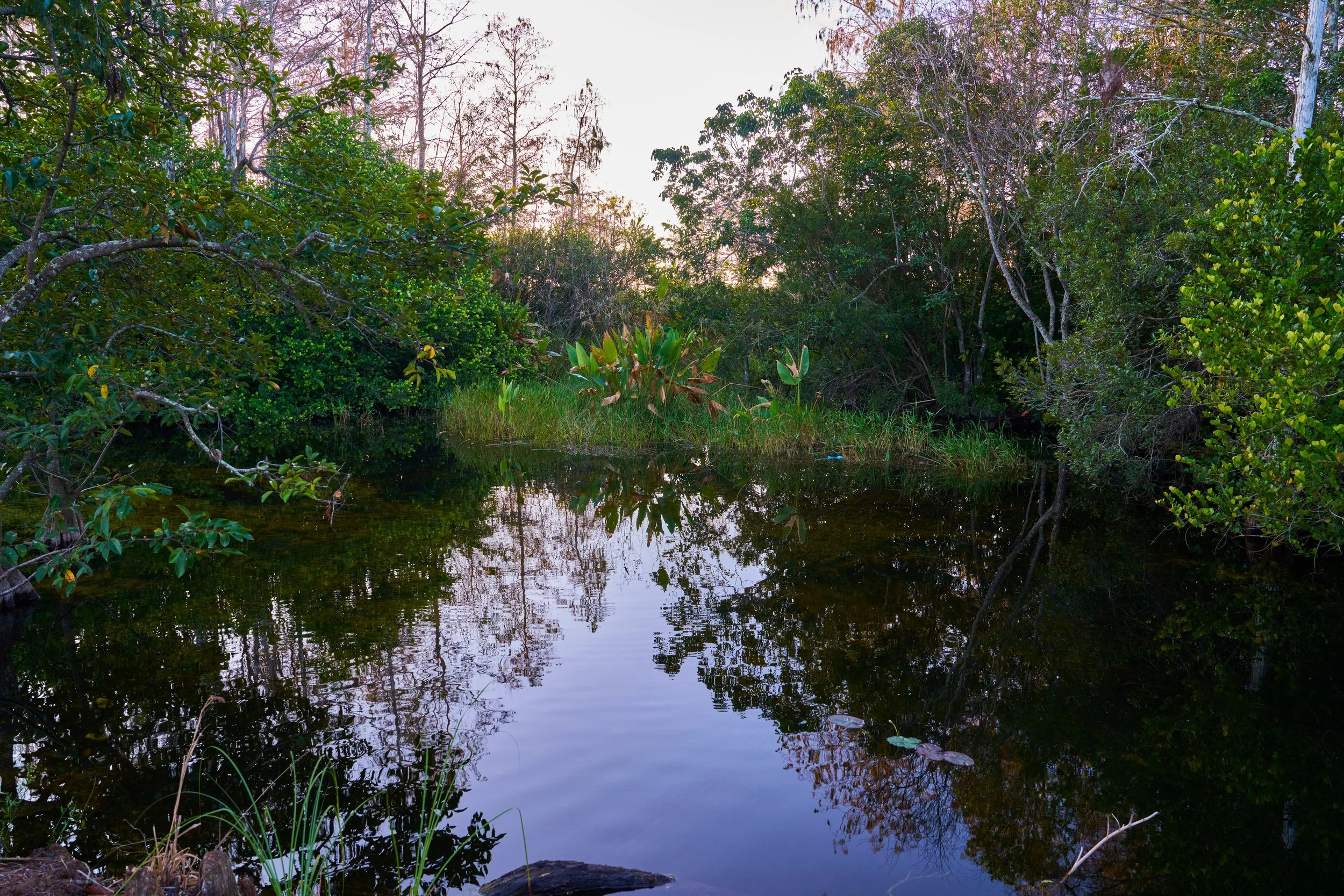
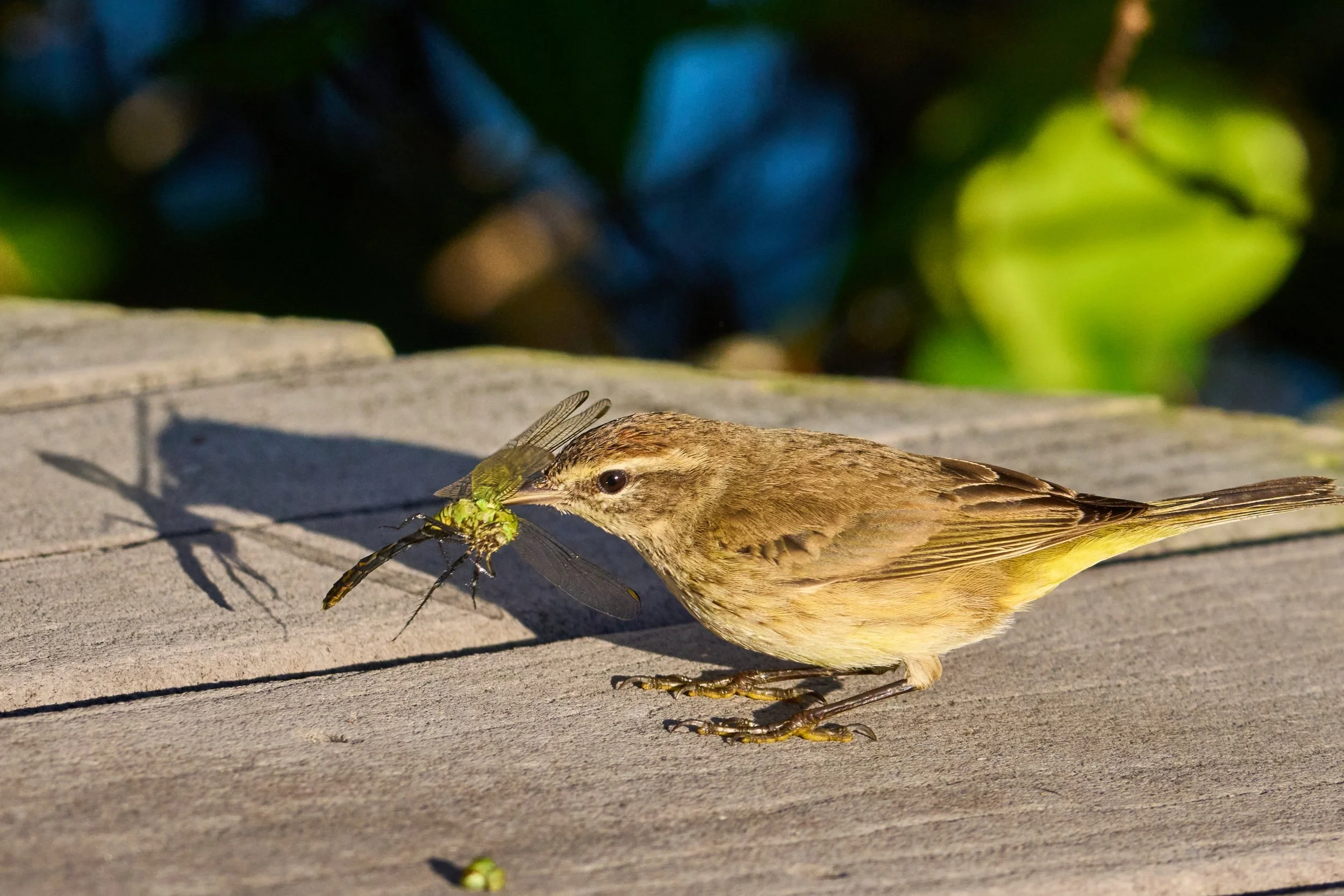
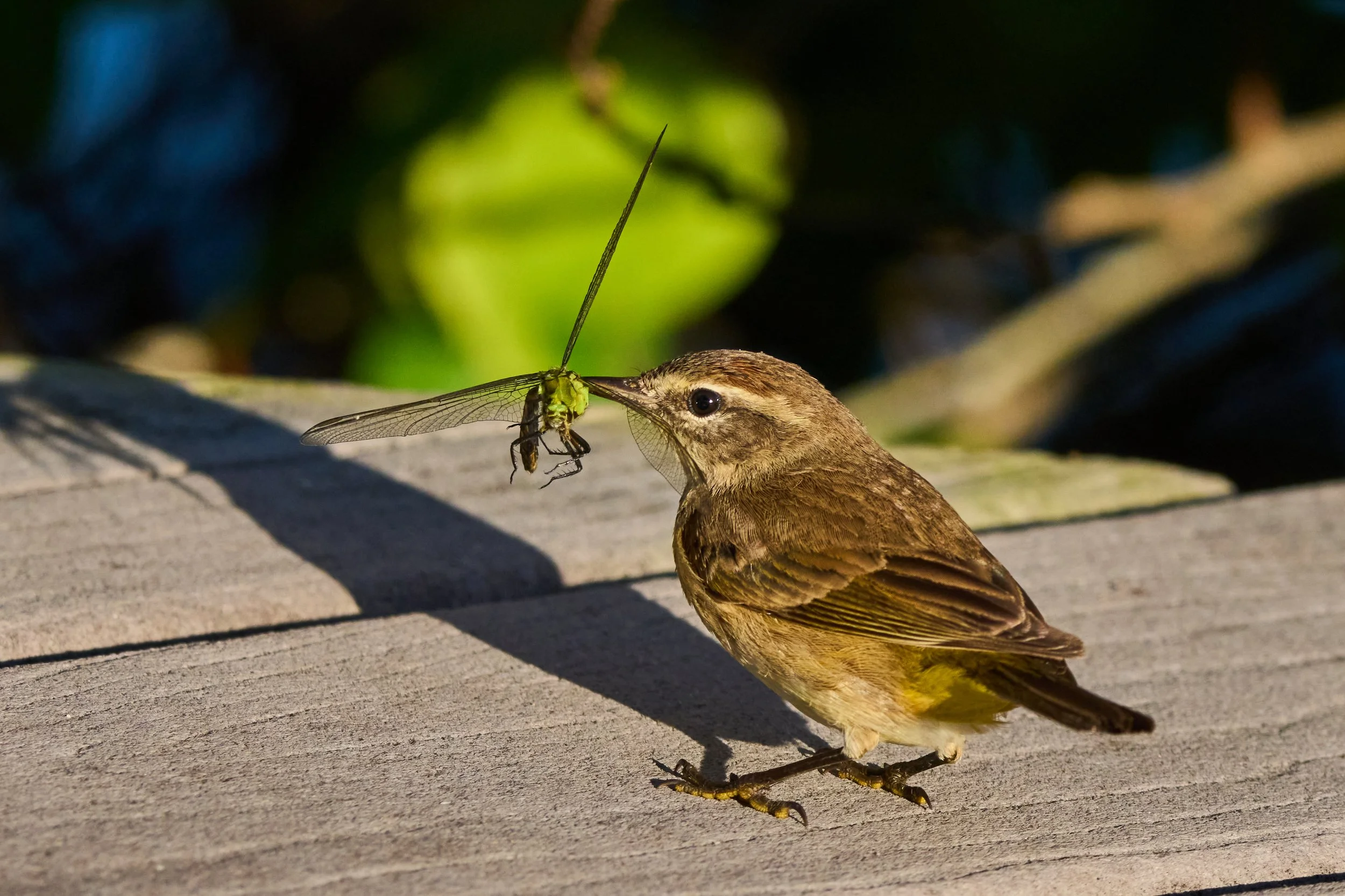
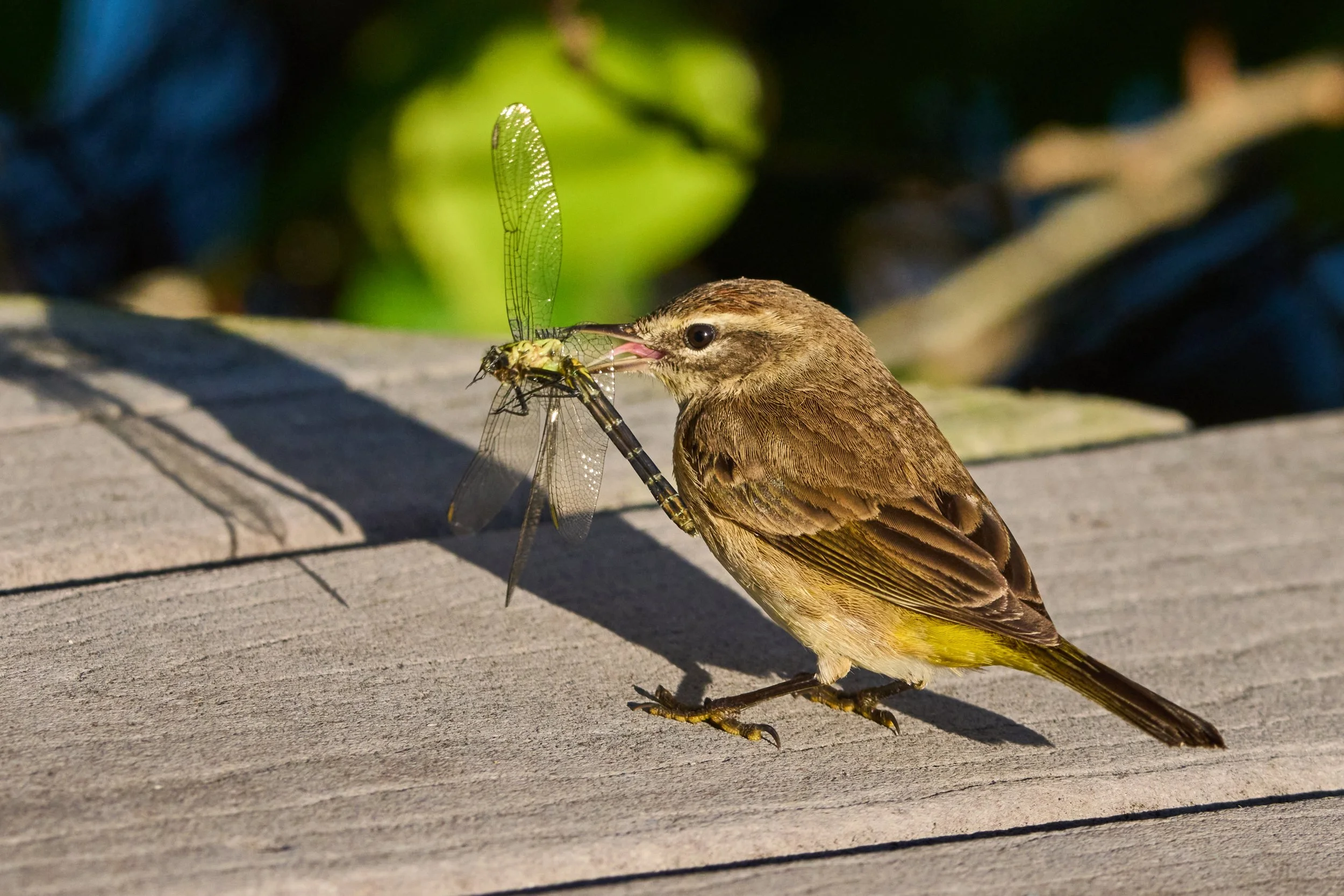
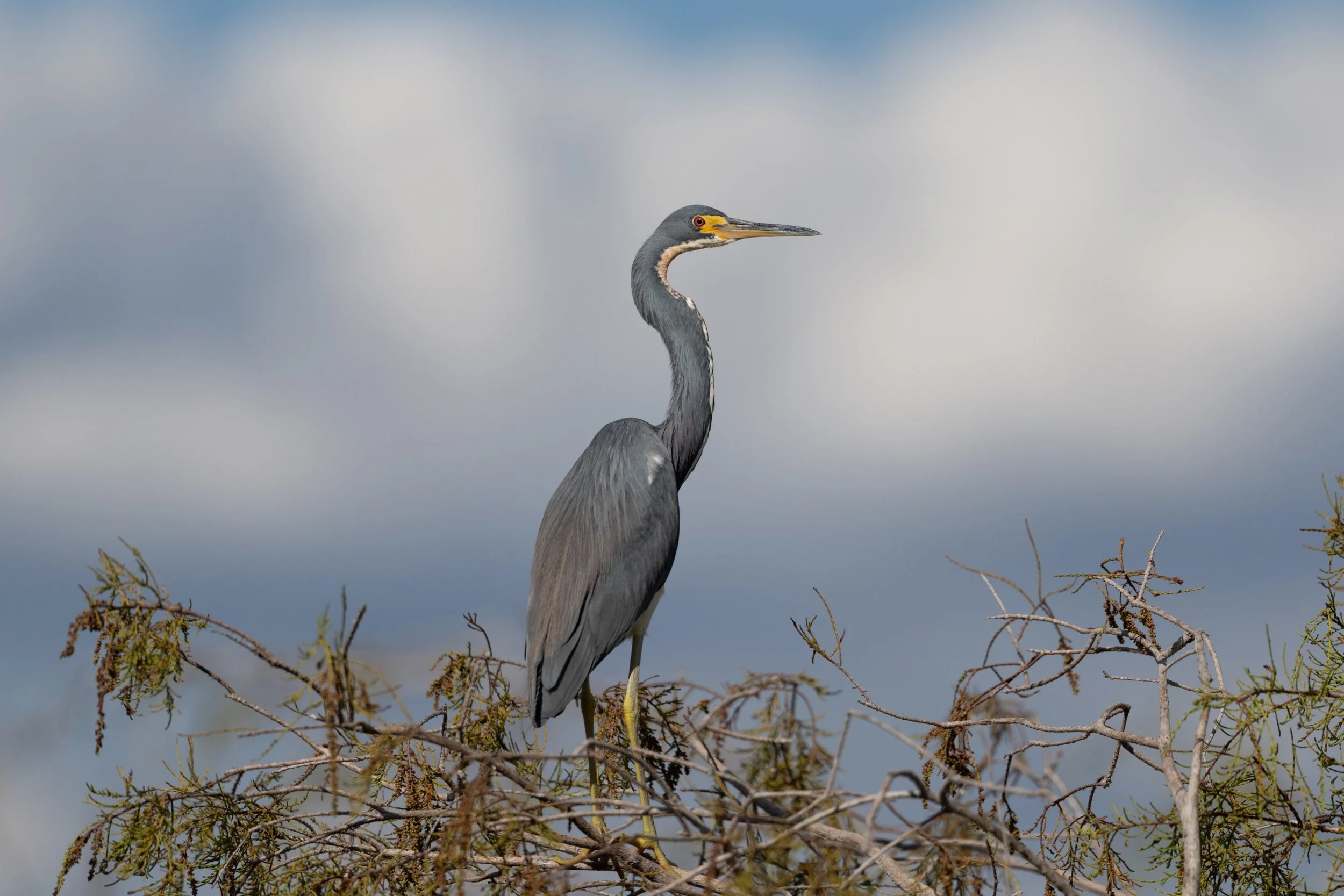
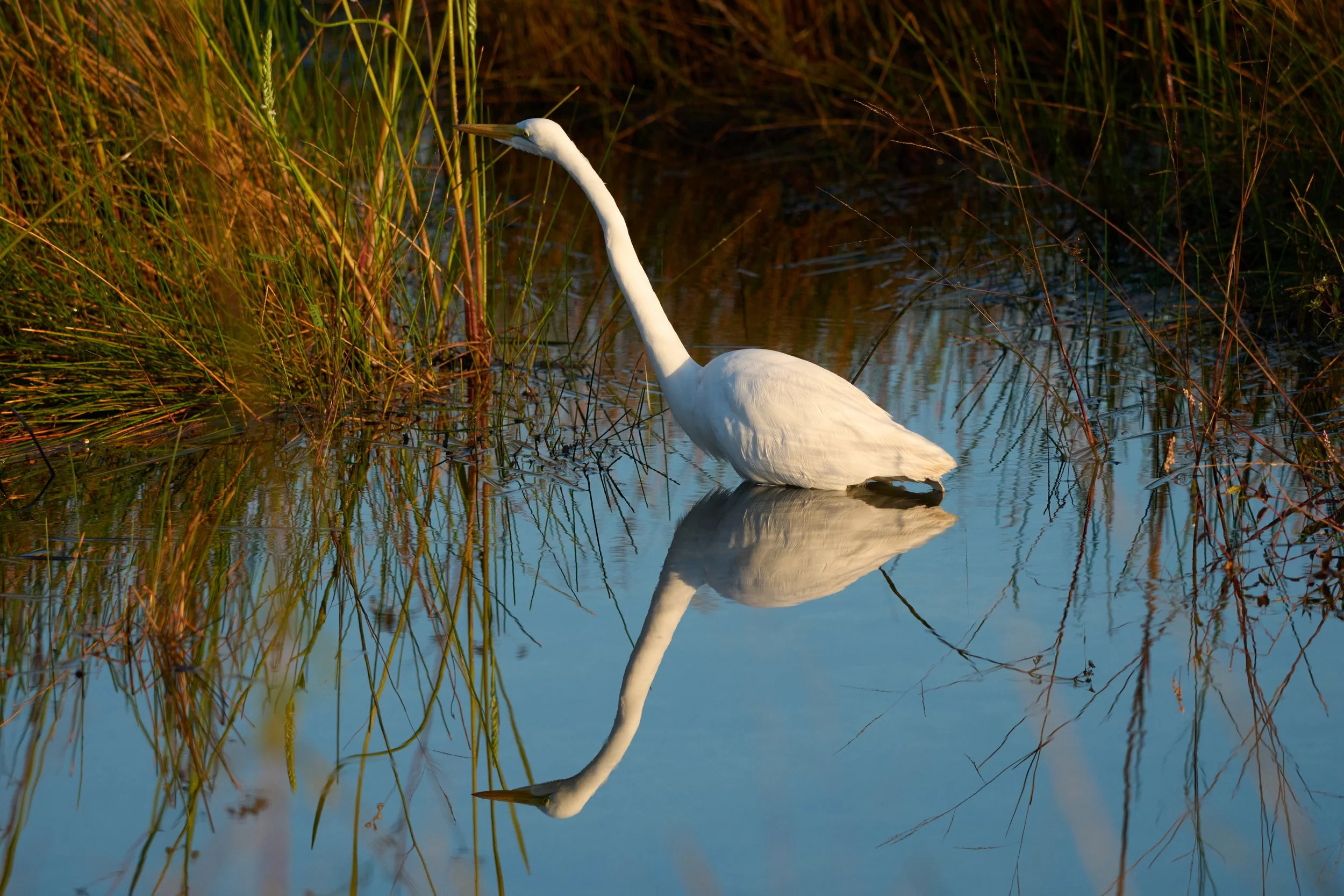
When I walk its trails or glide across its waters, I feel the familiar mix of reverence and vulnerability. My camera captures fragments — sunlight breaking across water, a heron poised in stillness, the ripple of something unseen beneath the surface — but the true gift is never just the image.
It is the experience.
This land is not simply a park. It is a living story — a rare wilderness that reminds us we are not separate from nature, but woven into it. To lose it would be to lose more than habitat. It would be to lose a piece of our collective memory — and our humility.
Through my eyes, the Everglades is not only worth saving — it is essential. It is a sanctuary of life, a teacher of balance, and a mirror reflecting both the beauty and fragility of our planet.
This is the journey that has led me here — back to the river of grass, camera in hand — to capture what remains of this extraordinary and vulnerable world.
Because sometimes, the beauty of photography lies not in the perfect shot, but in the journey that leads us there.