Congaree National Park is one of America’s quiet treasures—often overlooked, sometimes misunderstood—nestled in the heart of South Carolina’s Midlands. It does not announce itself with towering mountain peaks, erupting geysers, or sweeping vistas that demand attention. Instead, Congaree offers something far rarer: a profound stillness and a living connection to the ancient natural world.

This park protects one of the largest remaining tracts of old-growth bottomland hardwood forest in the Southeastern United States. Here, champion trees rise skyward, shaped by centuries of seasonal flooding, rich soils, and time itself. The forest breathes with subtle life—filtered sunlight, winding waterways, and the quiet rhythm of an ecosystem largely unchanged for generations.

To enter Congaree is to step back in time, into a landscape that reveals its beauty slowly and deliberately. It invites visitors not to conquer it, but to listen, observe, and rediscover nature in its most authentic form.

For many, South Carolina conjures images of sandy beaches along the Lowcountry coast or the rugged beauty of the Appalachian foothills in the Upstate. These regions are rightly celebrated for their natural beauty and recreational opportunities, but they can overshadow the quiet majesty of the Midlands where Congaree resides. This national park offers something profoundly different—an opportunity to wander beneath a canopy of towering trees that stretch higher than anywhere else in the eastern United States. Here, the forest creates a cathedral-like setting, where the filtered light and rich sounds of wildlife inspire both peace and awe.

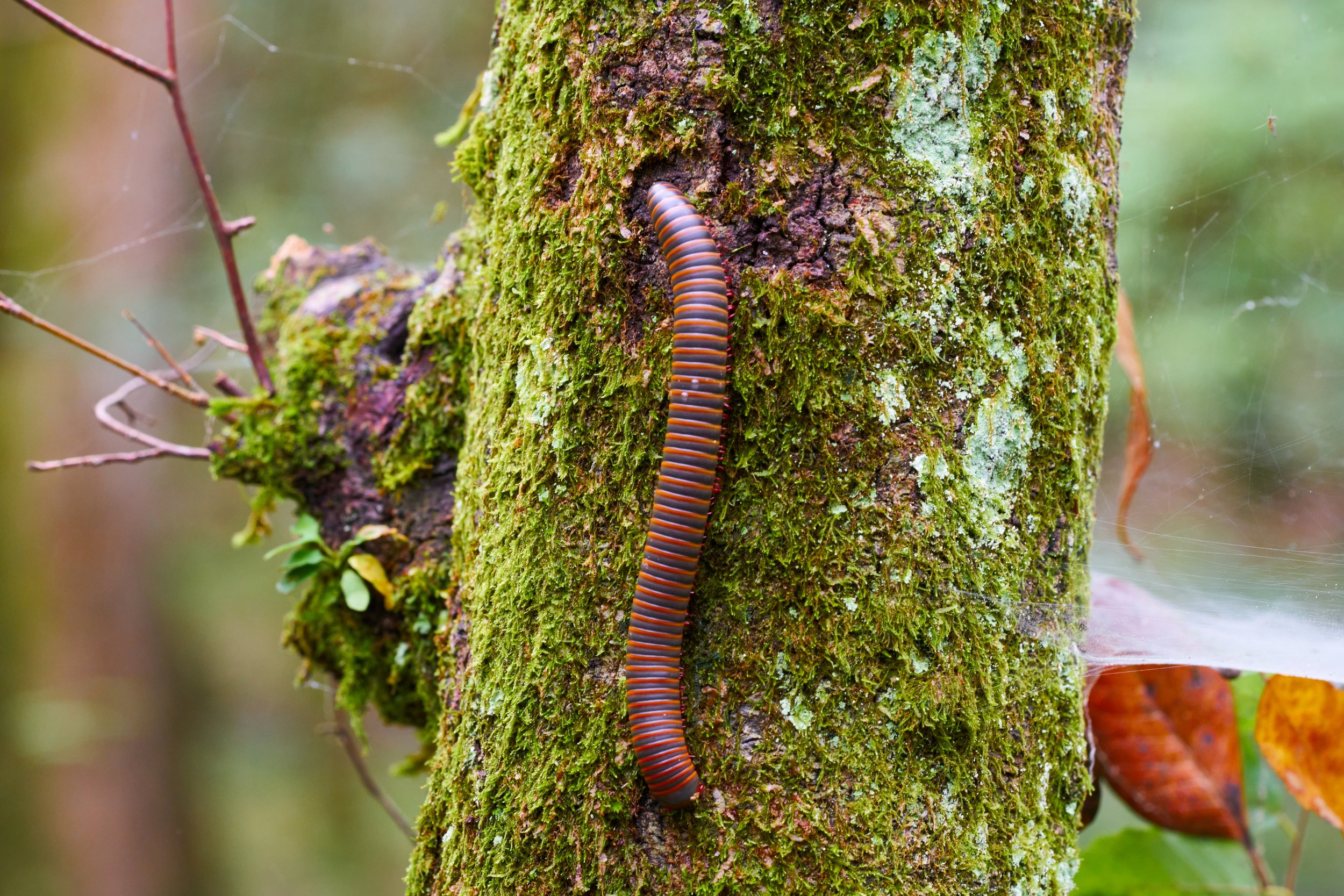
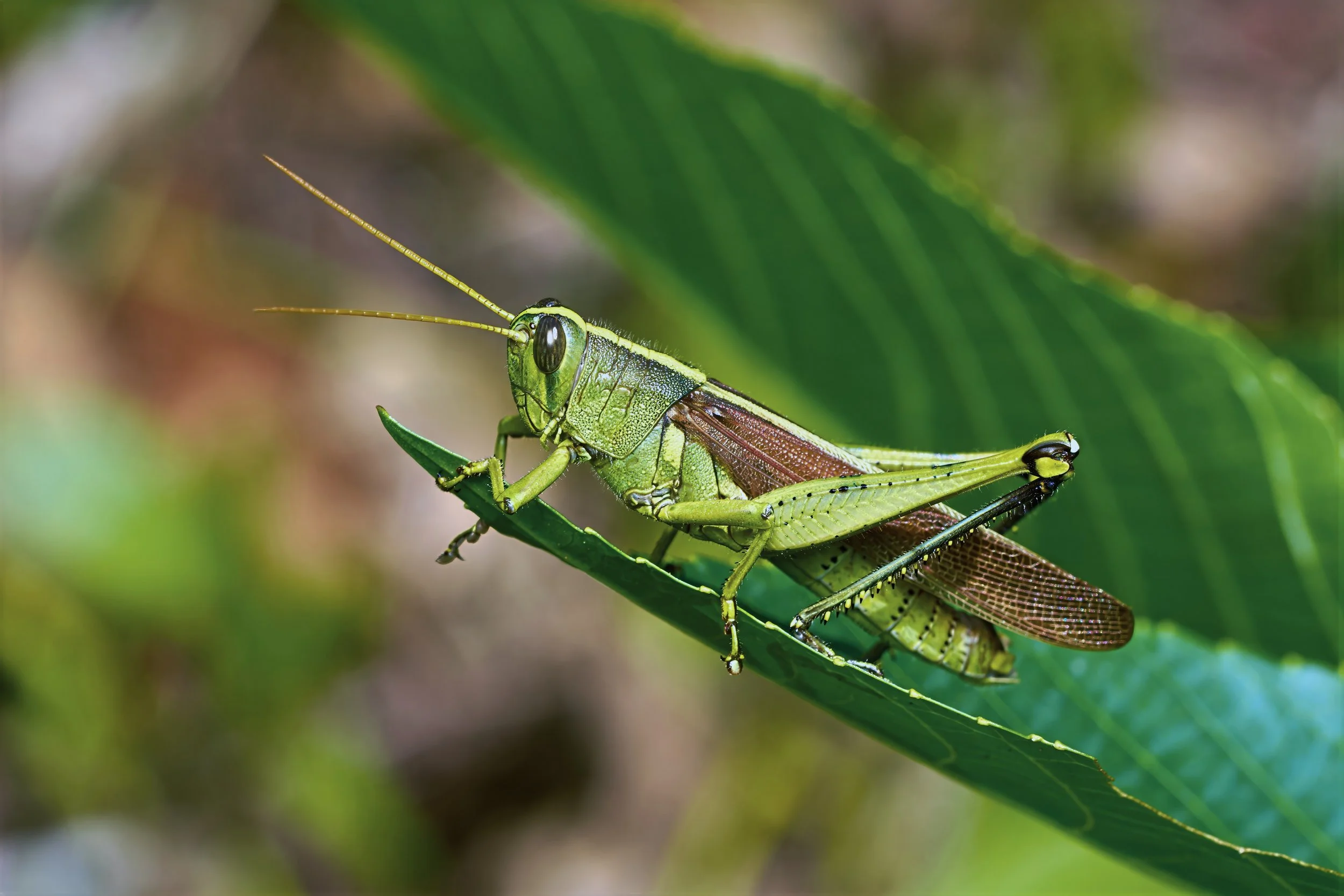
Congaree may lack the dramatic peaks or iconic landmarks of other parks, but its power lies in the deep, immersive solitude it offers. The park’s landscape, shaped by centuries of flooding and growth, supports an extraordinary diversity of life. Fish glide through the swollen waterways, amphibians call from hidden pools, deer move silently through the underbrush, and bobcats tread their secret paths. Bird watchers can delight in spotting some of the most elusive species, while the occasional glimpse of a feral pig or a snake indicates the rich complexity of this living world.

As a designated UNESCO Biosphere Reserve, Congaree National Park is recognized globally for its ecological importance. It protects not only a unique habitat but also an opportunity for visitors to reconnect with nature in a deeply grounding way. Hiking through its trails, paddling its serene waterways, or simply resting beneath the massive tree trunks reveals a side of South Carolina often missed—one where time slows and the natural world reigns supreme.

Visiting Congaree is more than a trip; it’s an invitation to explore a rare wilderness that challenges conventional ideas of what a national park should be. It demands slow appreciation, attentive listening, and a willingness to discover the subtle wonders of a forest that has stood for centuries. Whether you are an avid naturalist, a dedicated hiker, or simply someone seeking refuge from the bustle of everyday life, Congaree National Park offers an experience that lingers long after you leave, building a deep desire to return again and again.

Previous
Previous

Surfing Nags Head 9.2.2025

Next
Next

Insects 9.27.2025