My love affair with Savannah, Georgia began unexpectedly. A childhood road trip was interrupted by sudden illness, leaving my family stranded just outside the city for more than a week while I recovered. I remember the drive across the Savannah River bridge, my mother cringing at the height; the stark white tile walls of the hospital room; the white cast iron bathtub with claw-feet filled with water and ice that I was plunged into in an attempt to bring my fever down; and the U-shaped roadside motel where we stayed—our room the last on the left, closest to the highway.
These moments are etched permanently into my memory.
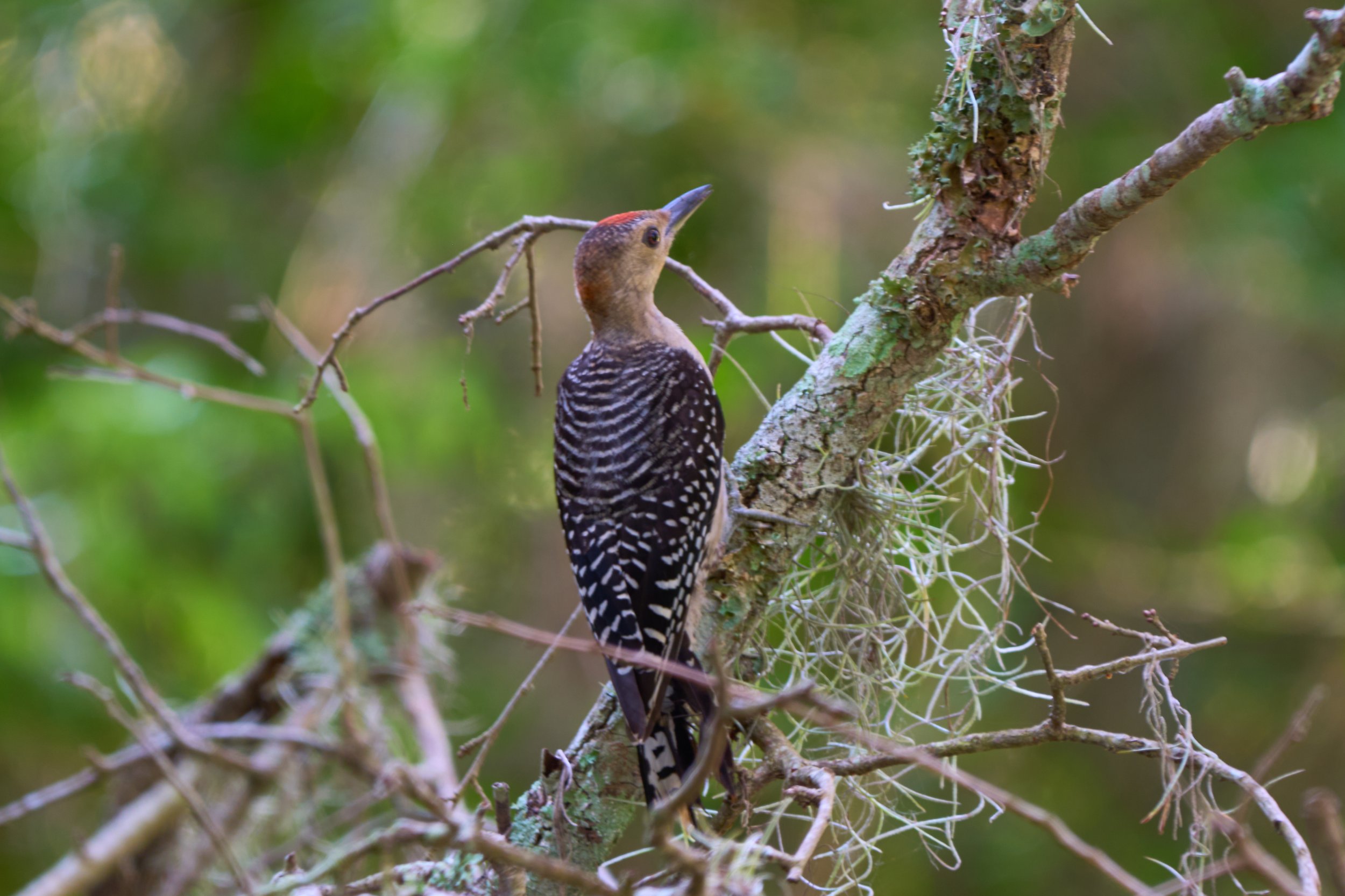
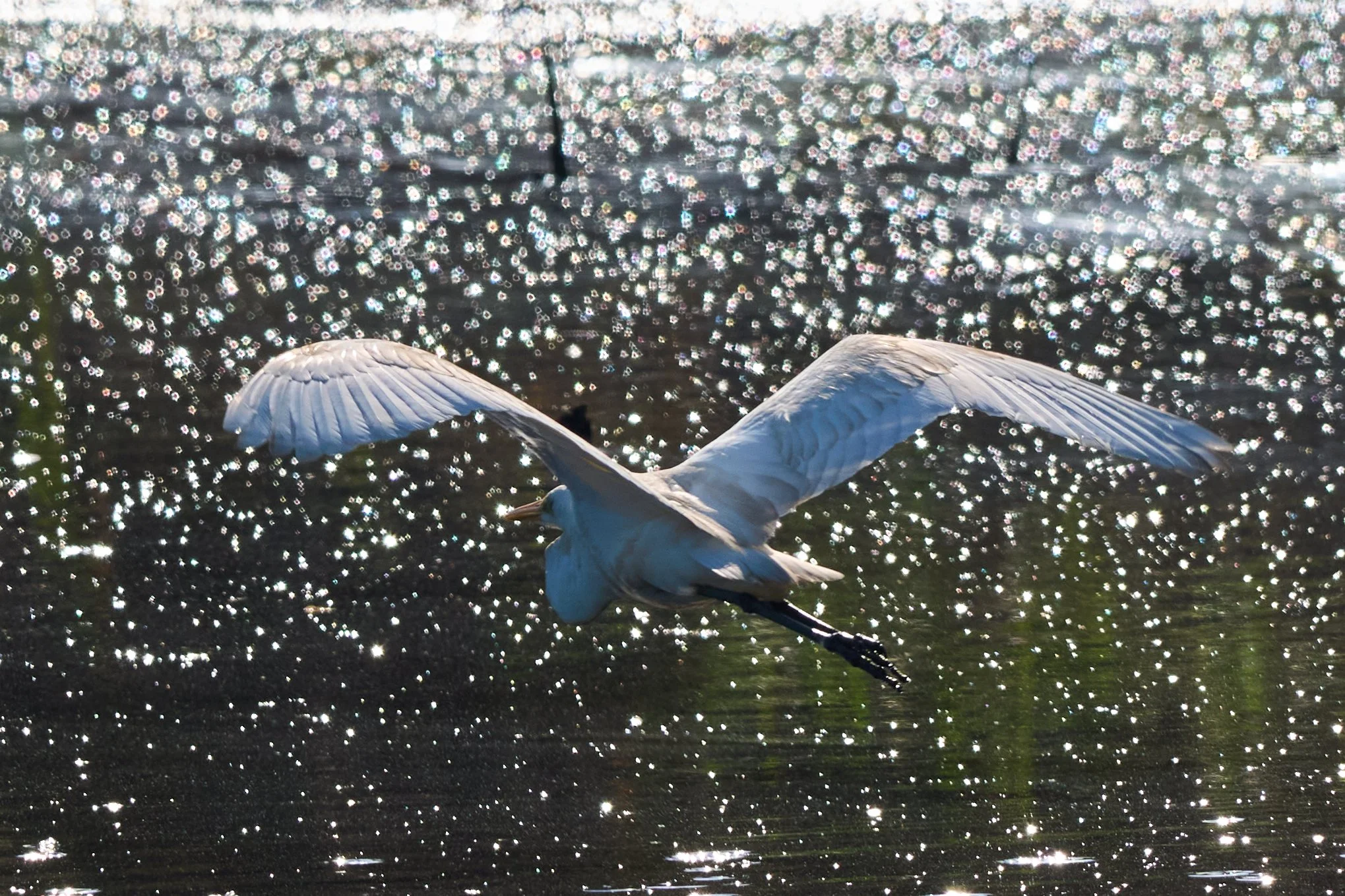
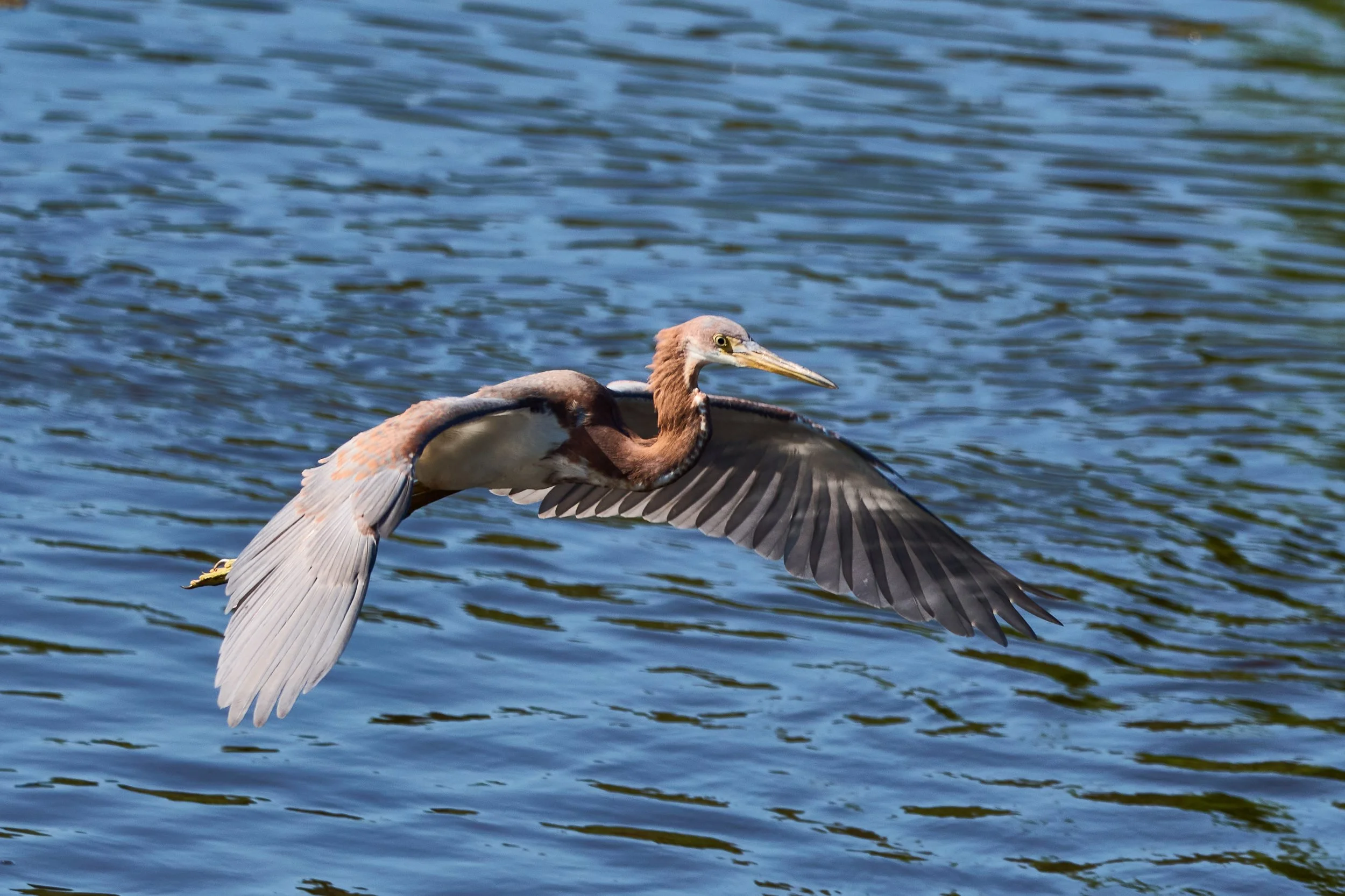
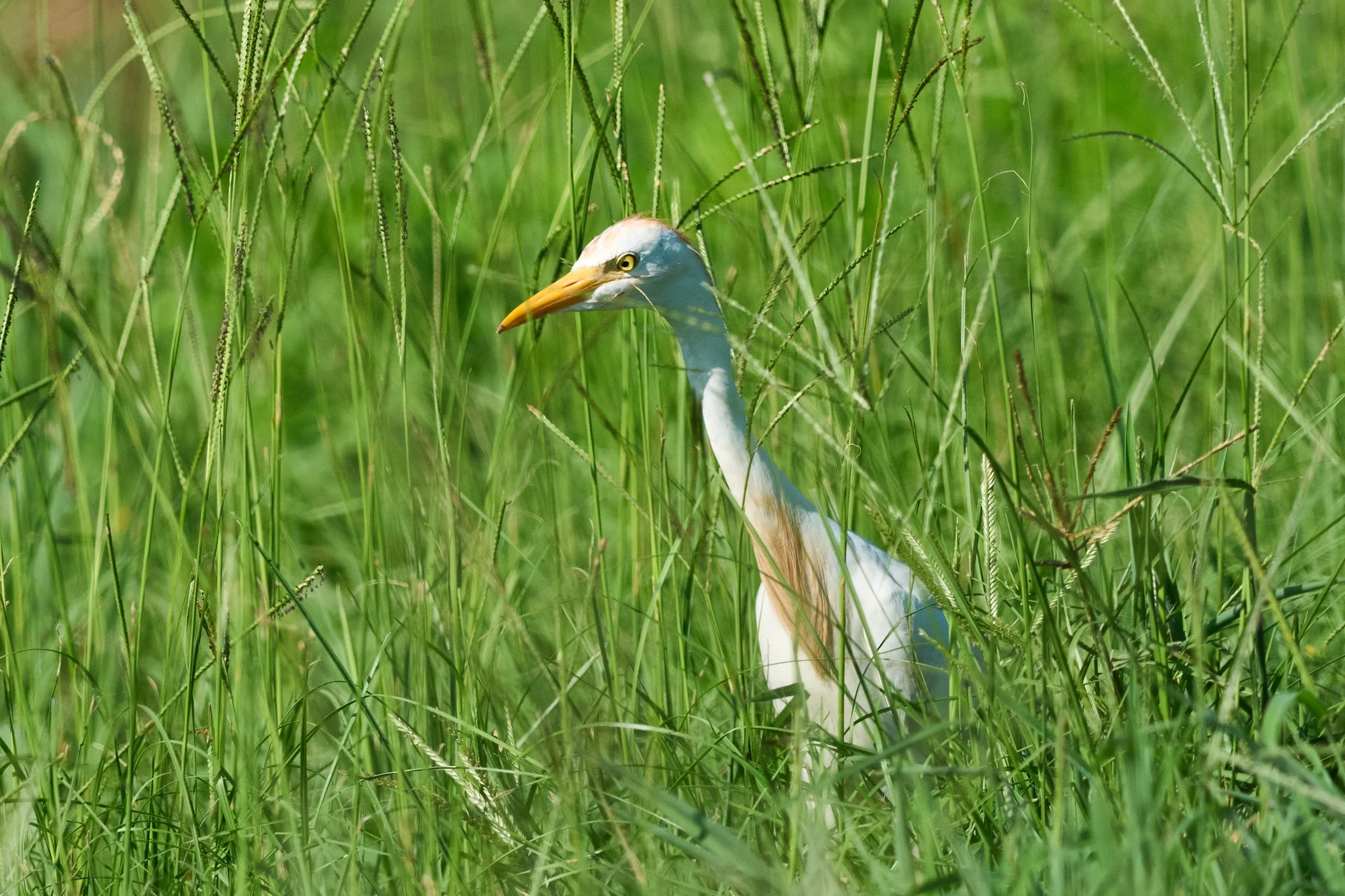
What has stayed with me most from that time is not the illness or the confinement, but the quiet beauty we passed through each day. On our drives just beyond the city, the road cut through vast marshlands—land I would only later learn was the Savannah National Wildlife Refuge. Tall grasses bent and whispered in the coastal breeze, and shapes lifted from the wetlands like brushstrokes pulled across an endless canvas. Years later, those shapes would gain names—egrets, herons, hawks—but then, they were simply wonder made visible.
Even now, the refuge feels less like a destination and more like a memory that never faded. Here, water, sky, and marsh merge into a slow, enduring rhythm that asks nothing of you except that you notice. The Savannah National Wildlife Refuge is not just a protected landscape; it is a sanctuary where time loosens its grip and nature reveals itself on its own terms.
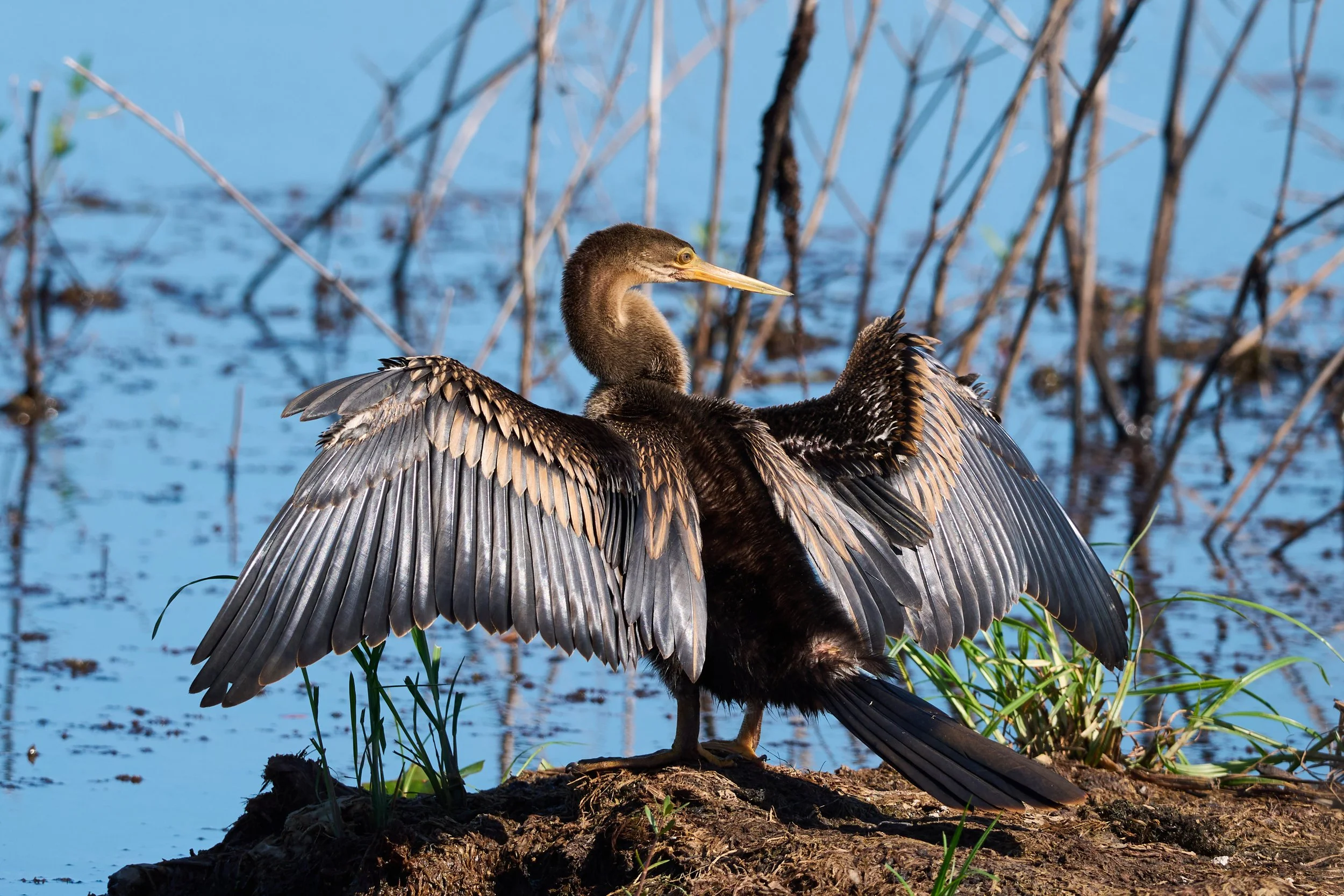
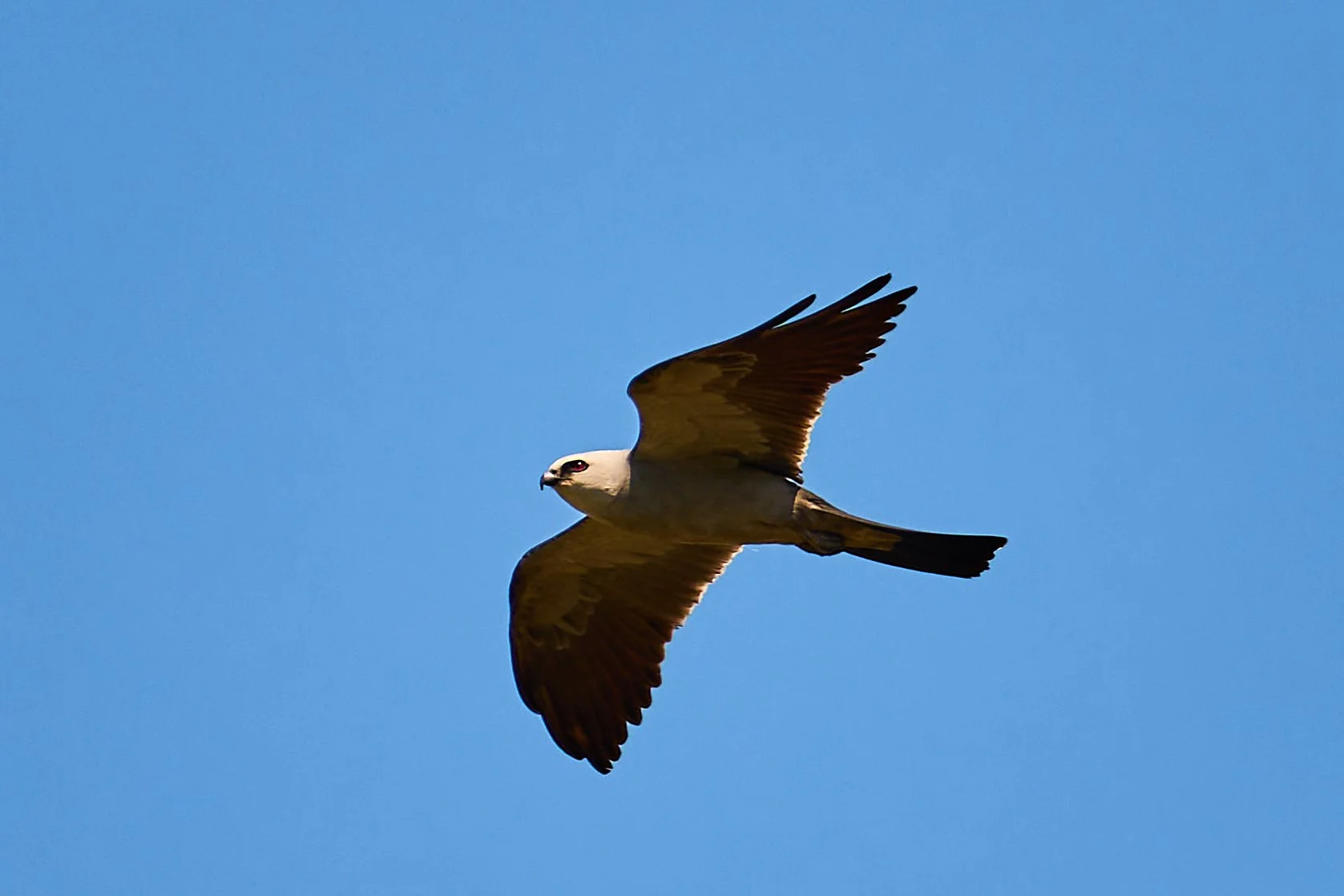
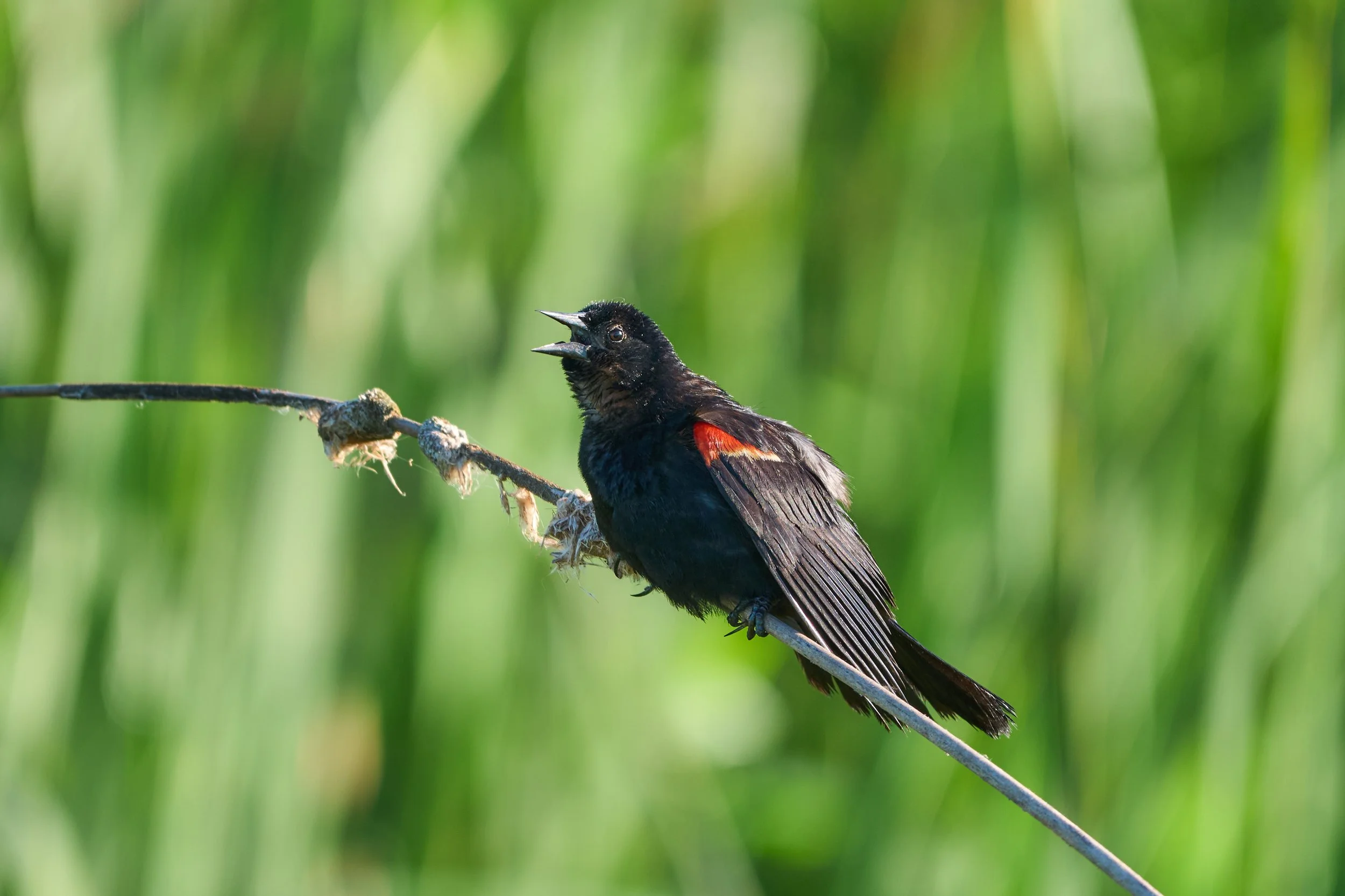
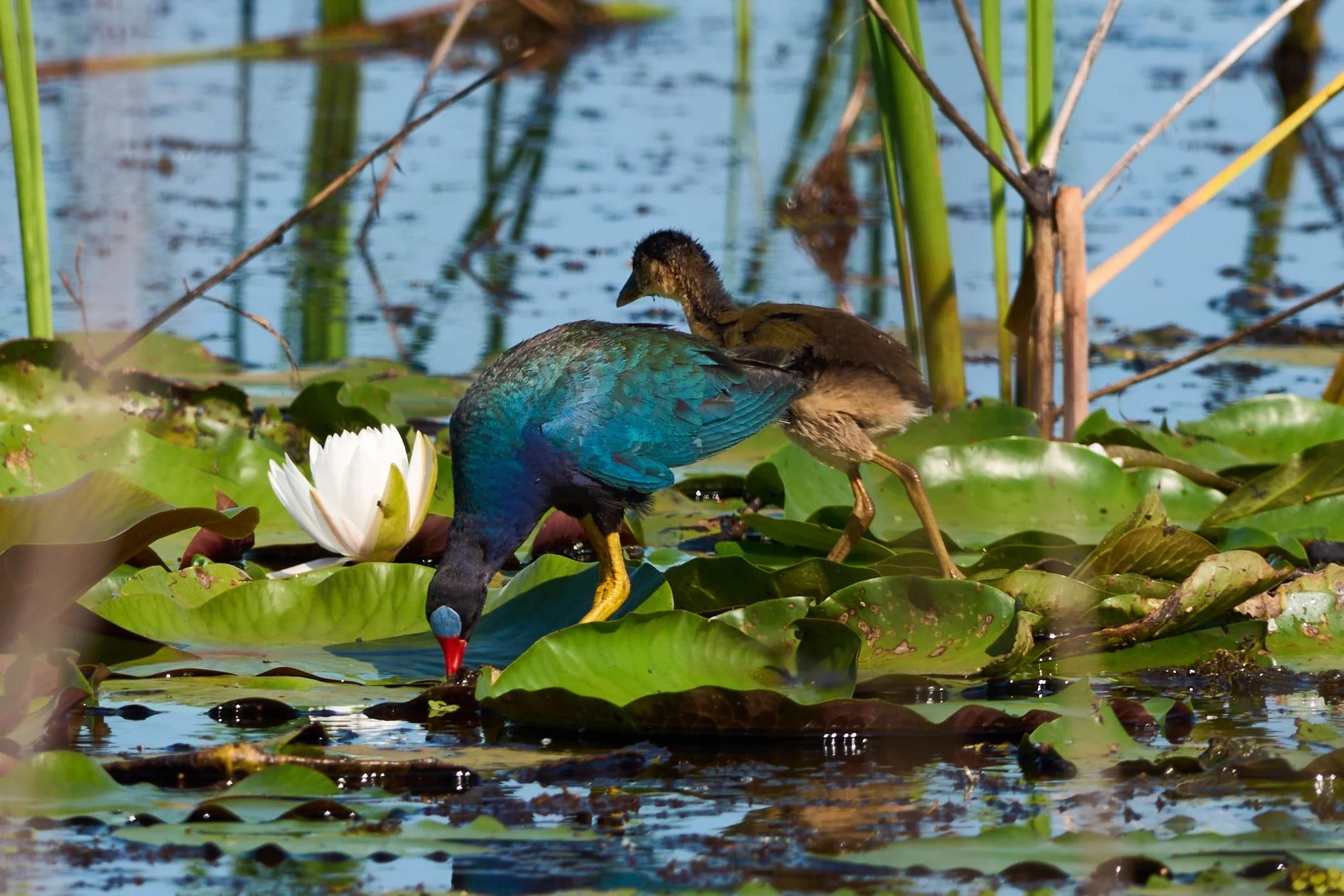
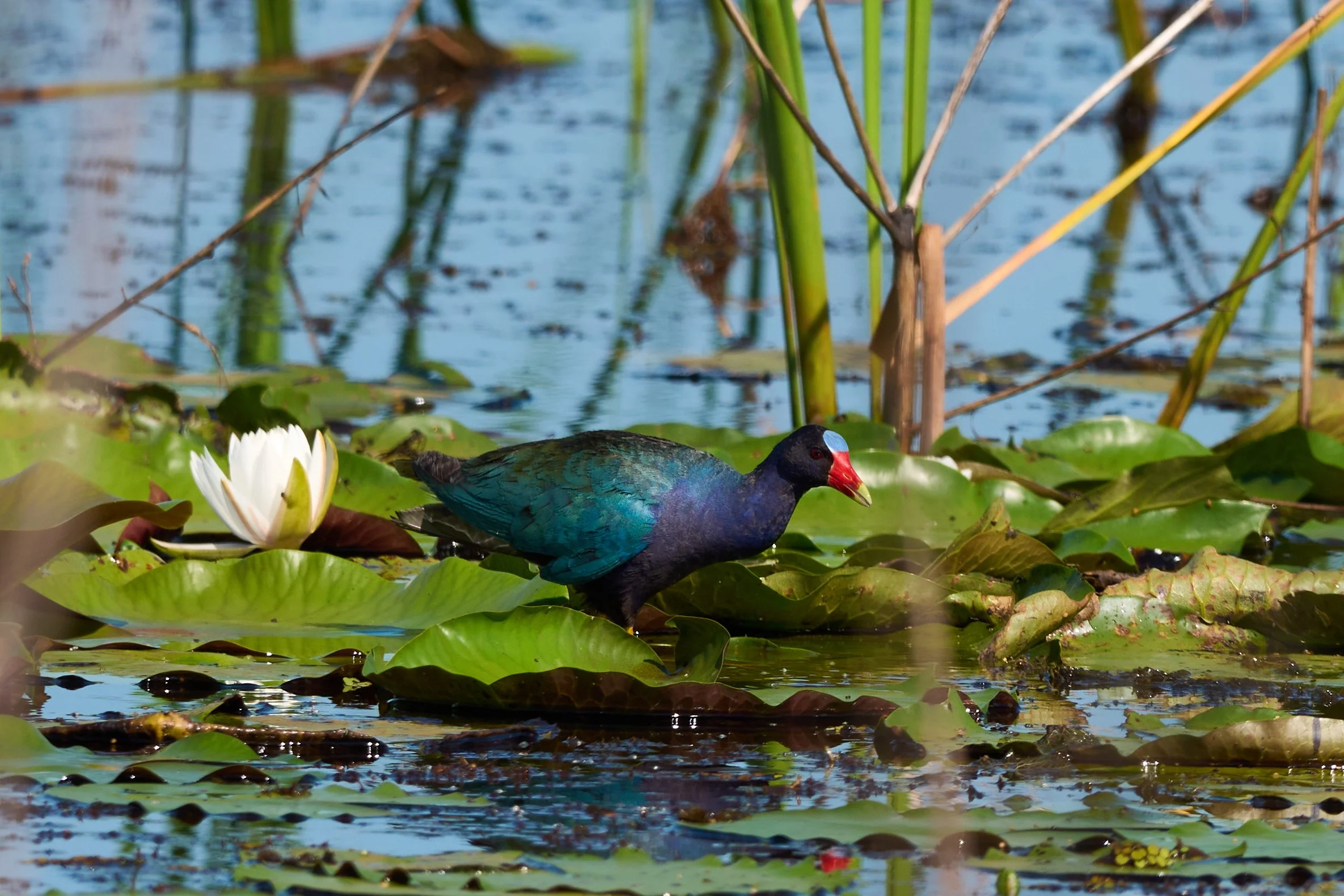
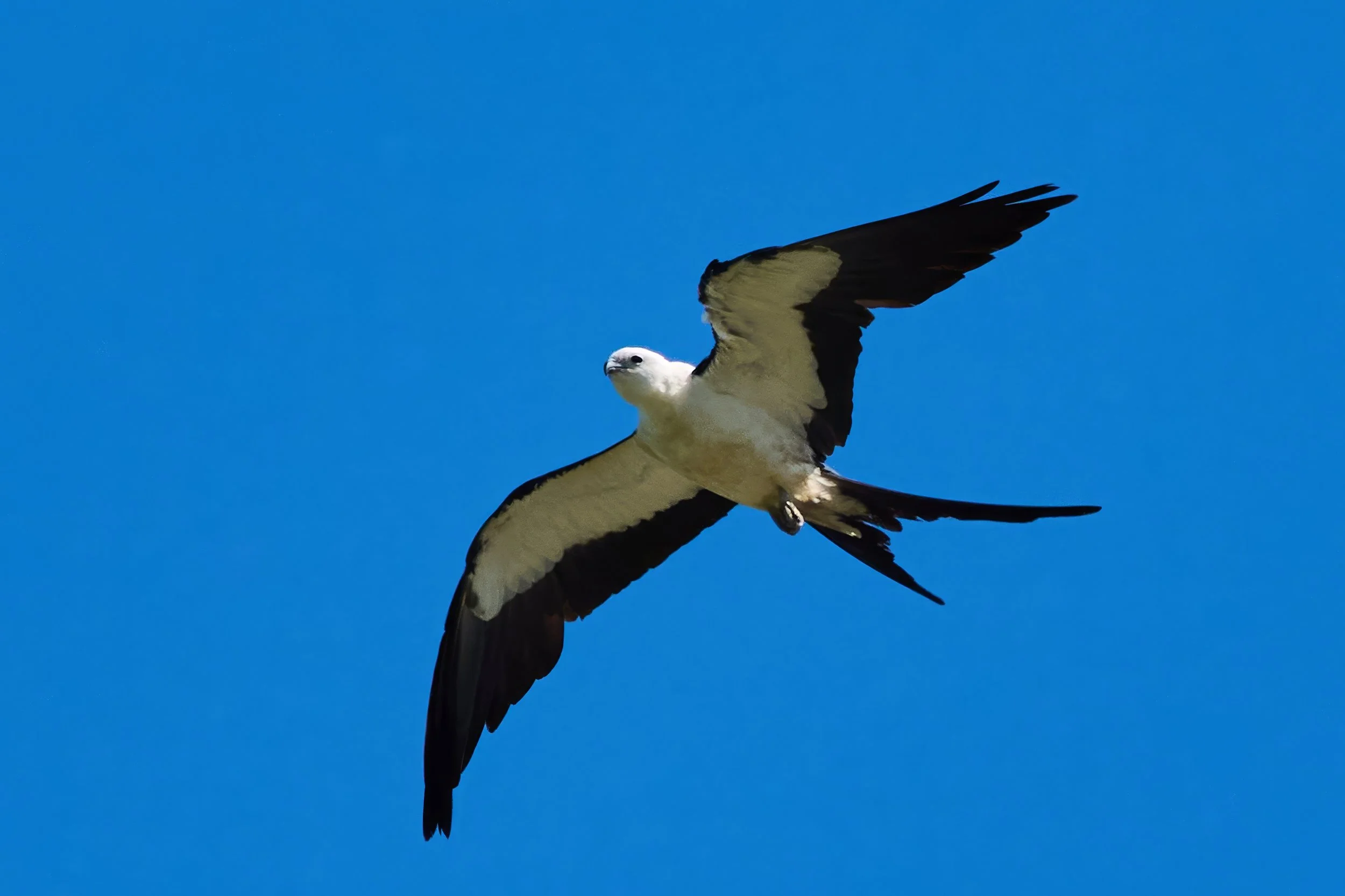
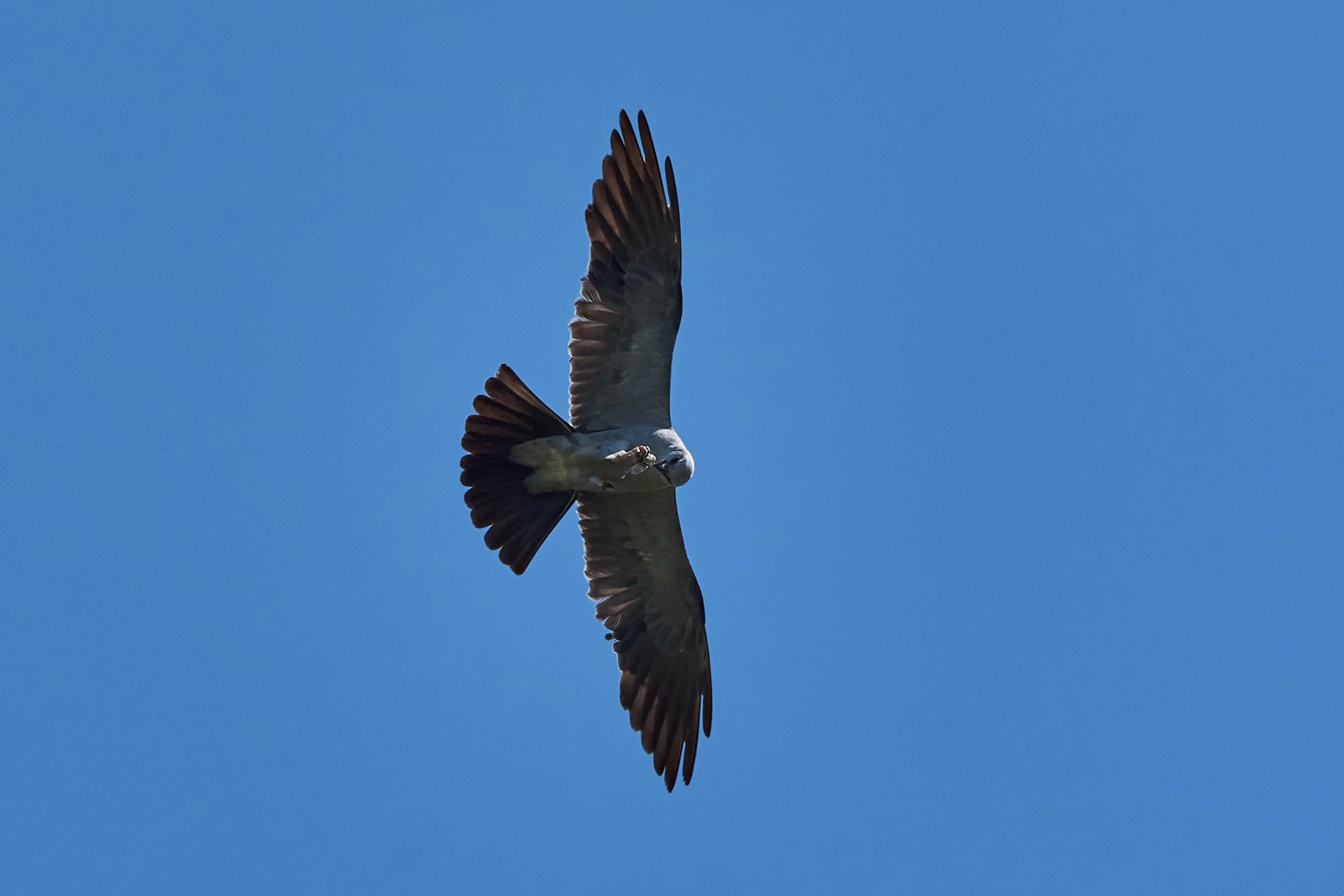
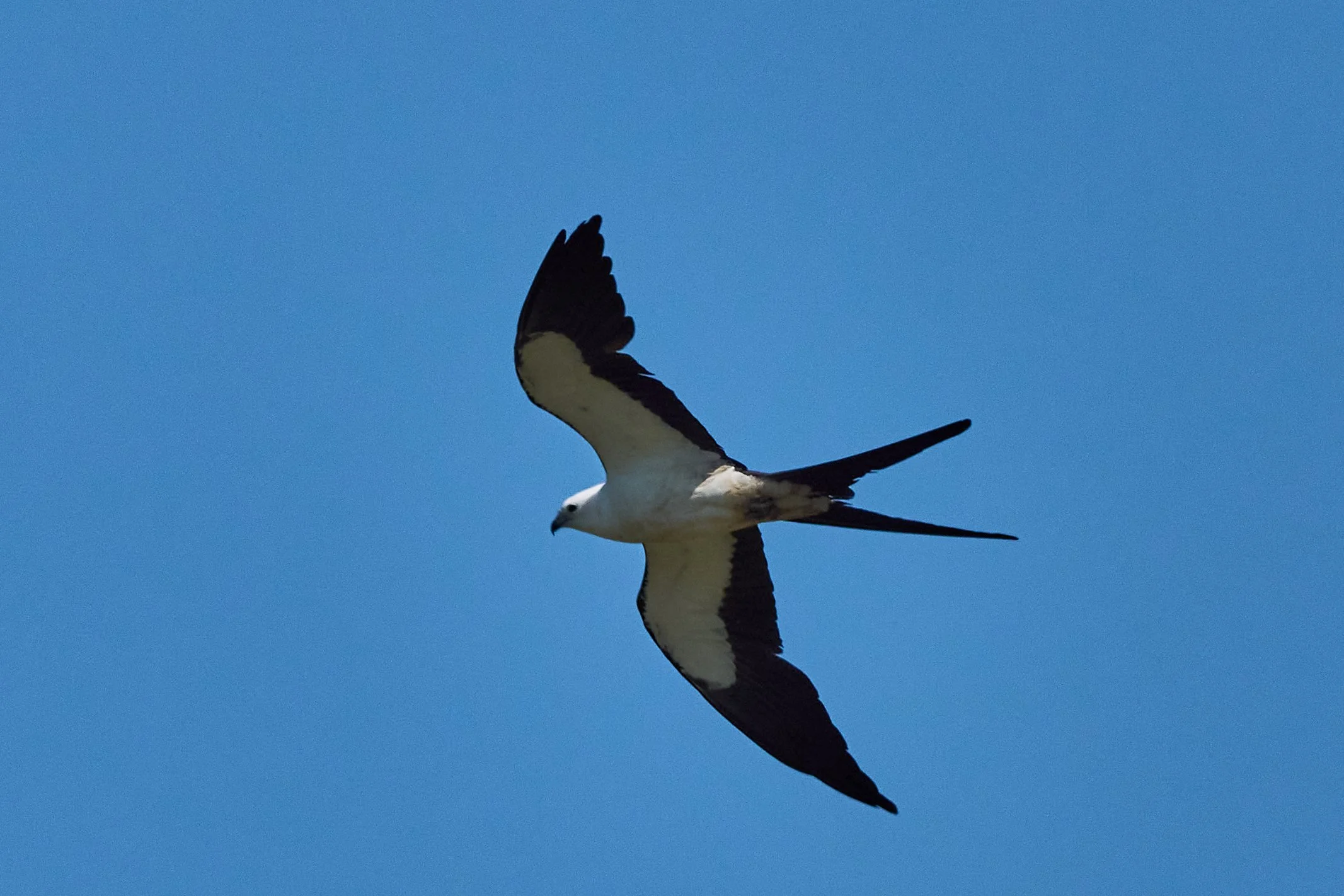
Today, the refuge stands as a vital haven for wildlife and an essential waypoint along the Atlantic Flyway. For many species, it is a brief pause on an epic journey—north in spring, south in fall. Songbirds such as bobolinks and scarlet tanagers pass through alongside raptors like Mississippi kites and northern harriers, while waterfowl including blue-winged teal and northern shovelers rest and refuel in its wetlands. For others, such as the purple gallinule and the swallow-tailed kite, the refuge marks the end of their northern journey, becoming a place to nest, breed, and begin the cycle anew.
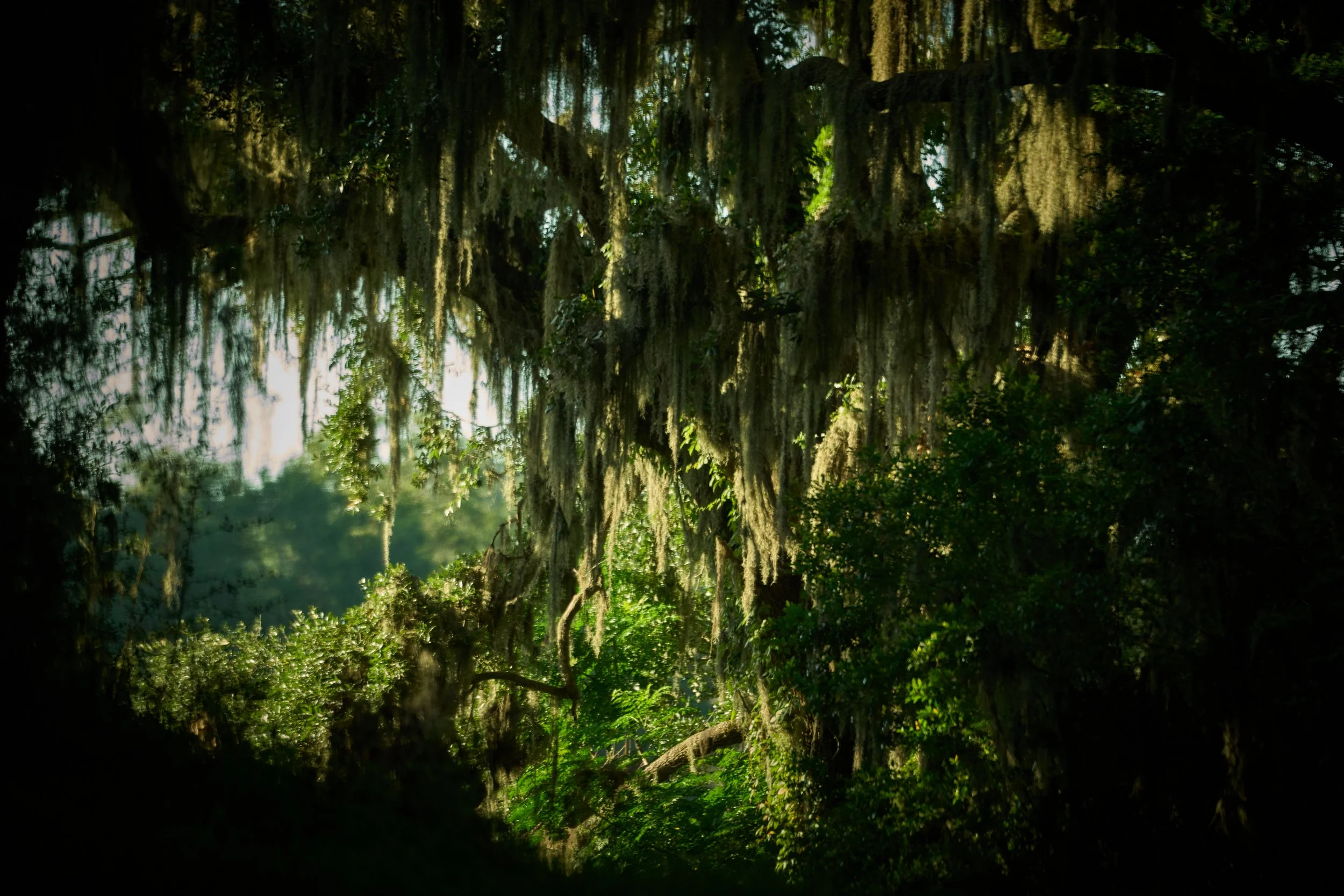
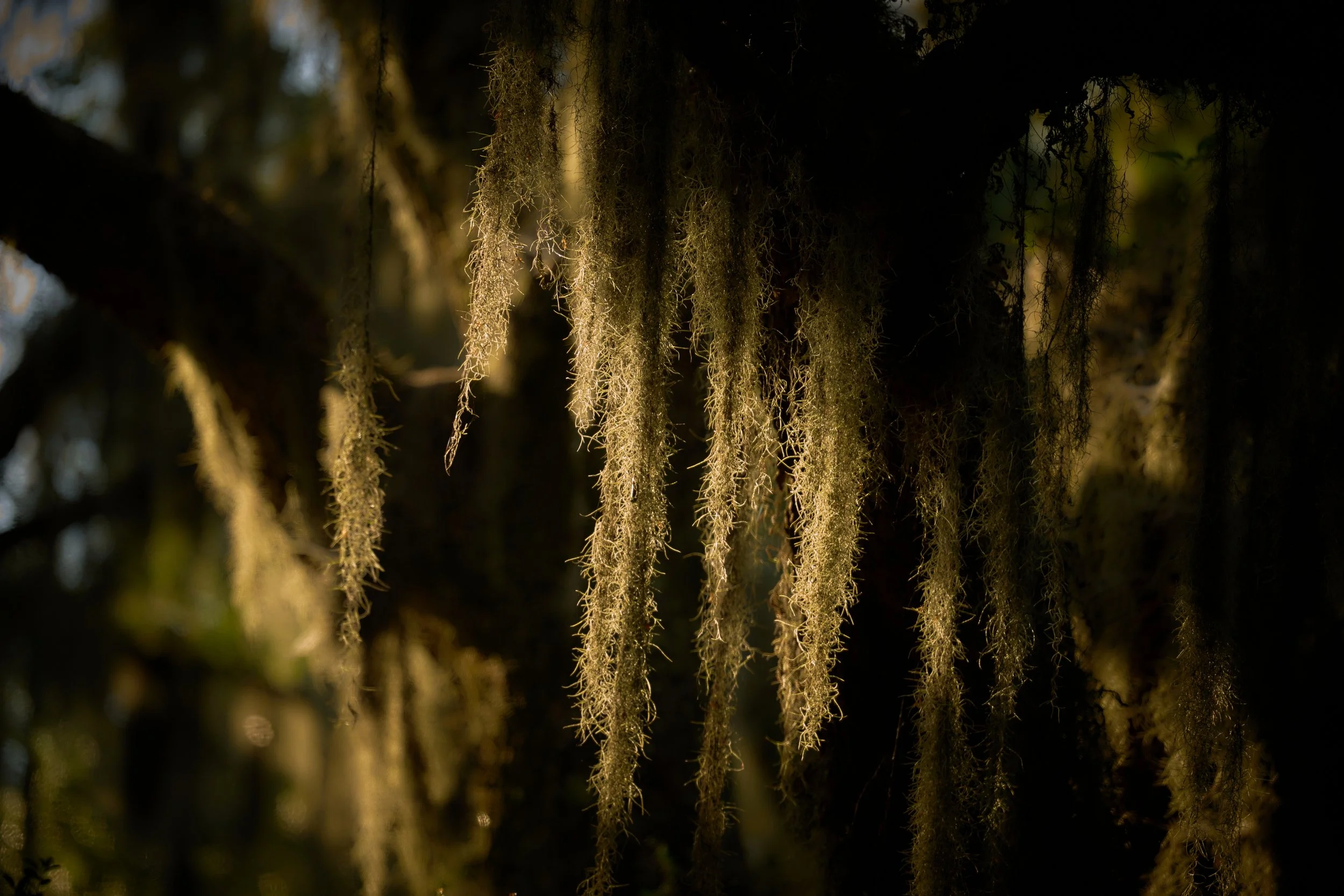
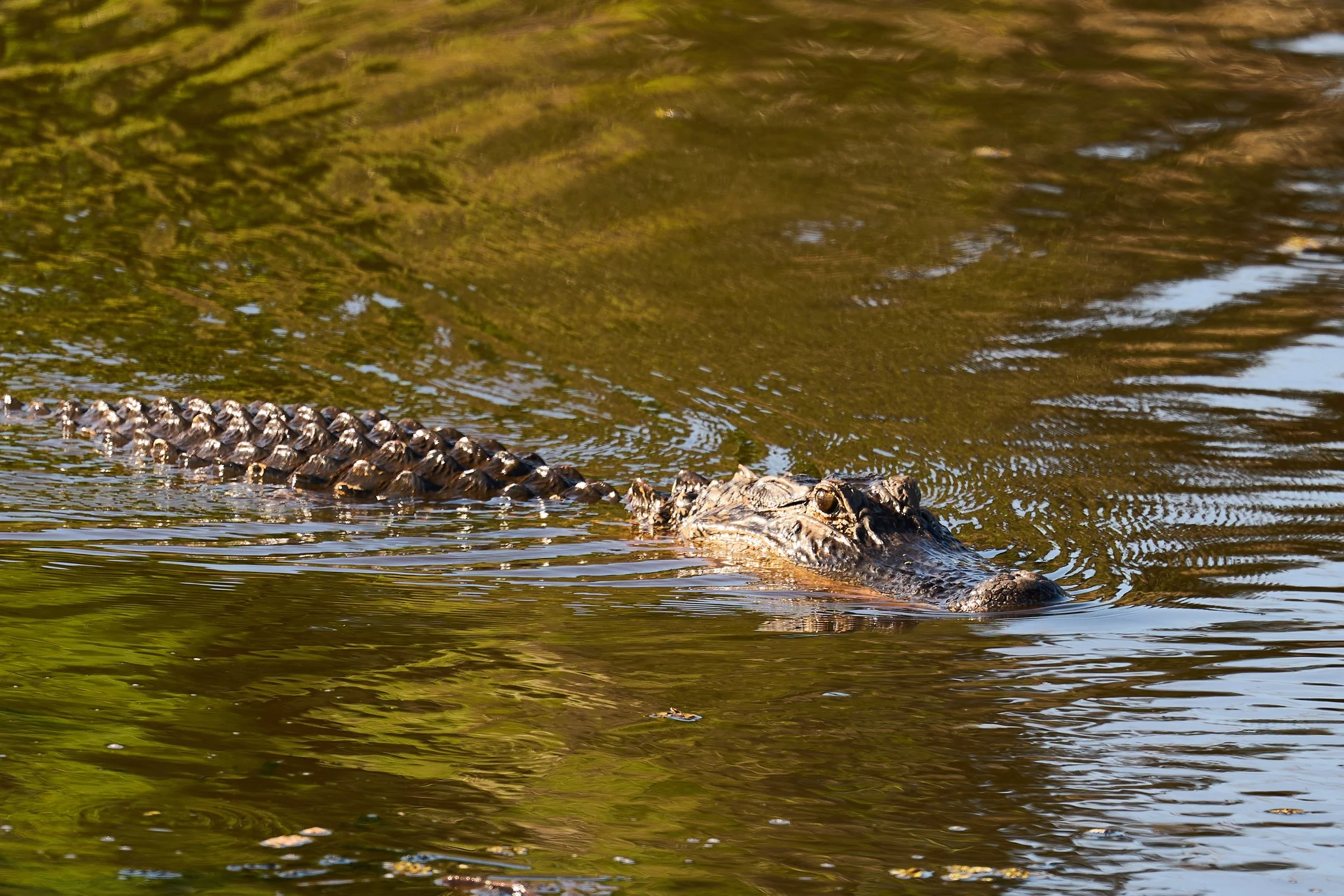
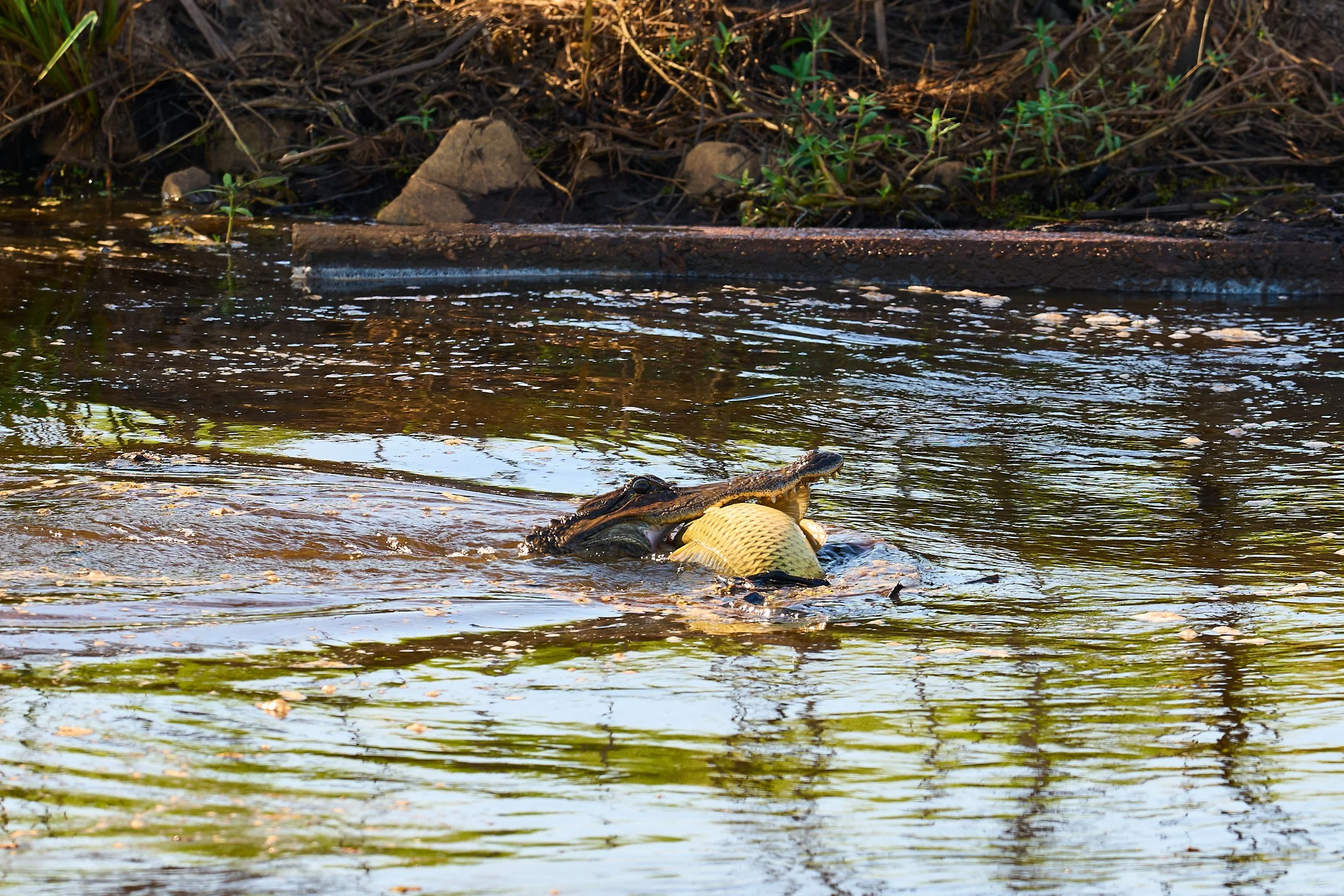
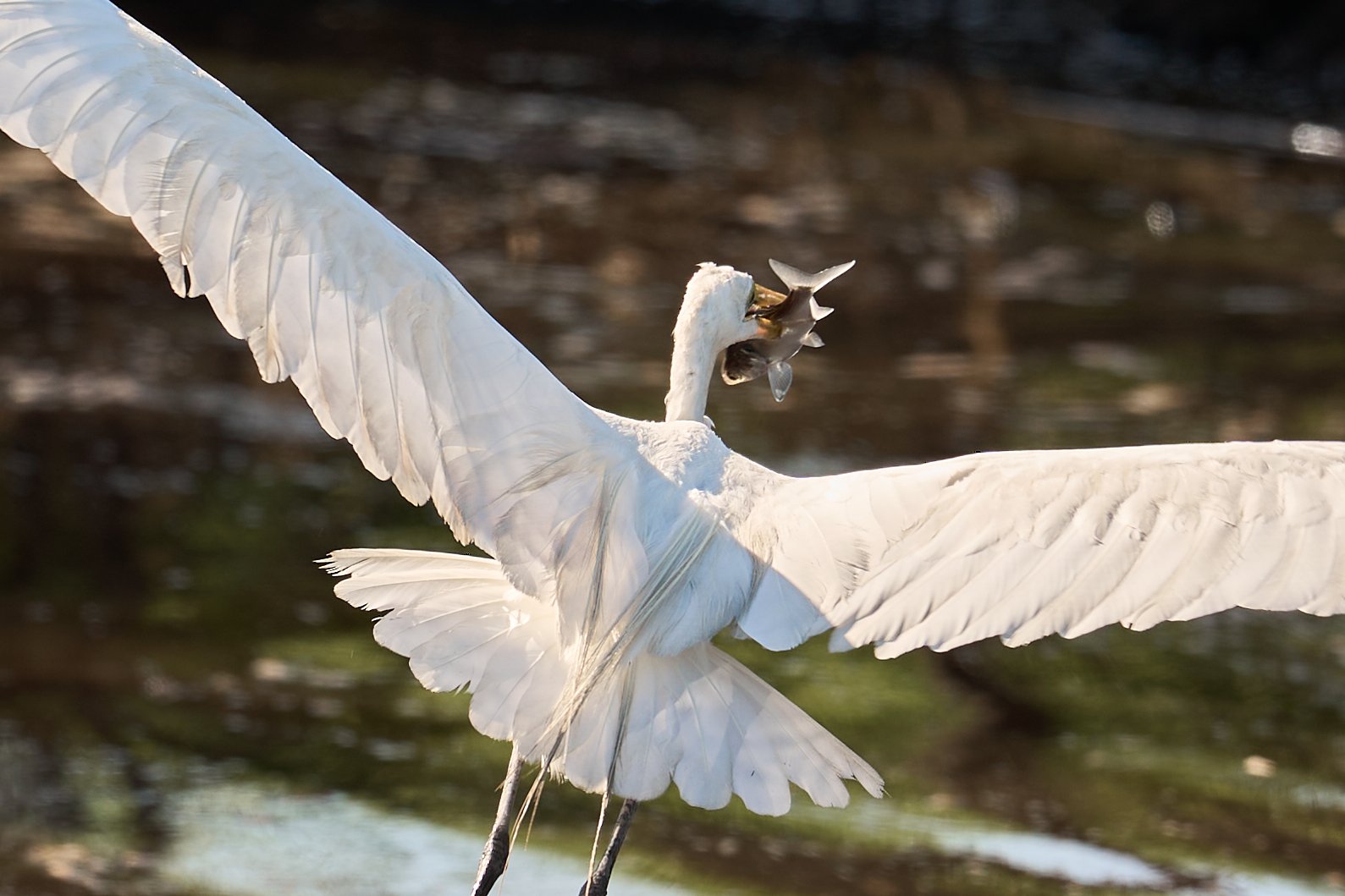
For me, the refuge is a place of return, a place within my own journey and cycle of life. I roam among shaded hammocks where trees hang heavy with Spanish moss, listening for songbirds hidden in the canopy. I wander along quiet canals watching for alligators, egrets, herons, and ibis, or stand still with my eyes to the sky as kites, ospreys, hawks, and eagles circle above, scanning land and water for their next meal. In these moments, I am carried back to my youth—to that first sense of awe sparked by a landscape I didn’t yet understand.
It is a place of calm, of reflection, and of rediscovered wonder. And each visit reinforces a belief I hold deeply: sometimes the true beauty of photography—and of life itself—lies not in the perfect shot, but in the journey that leads us there.