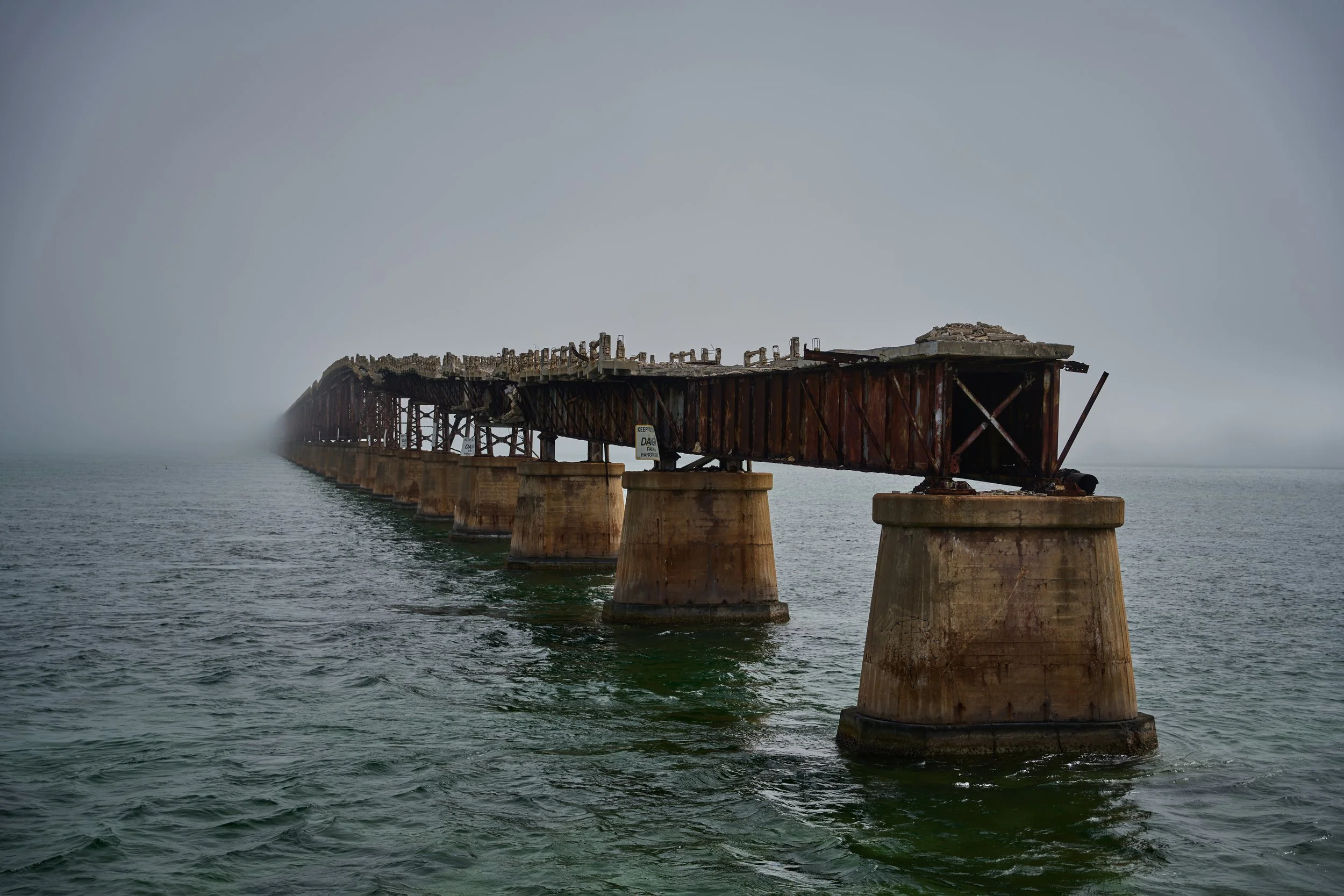
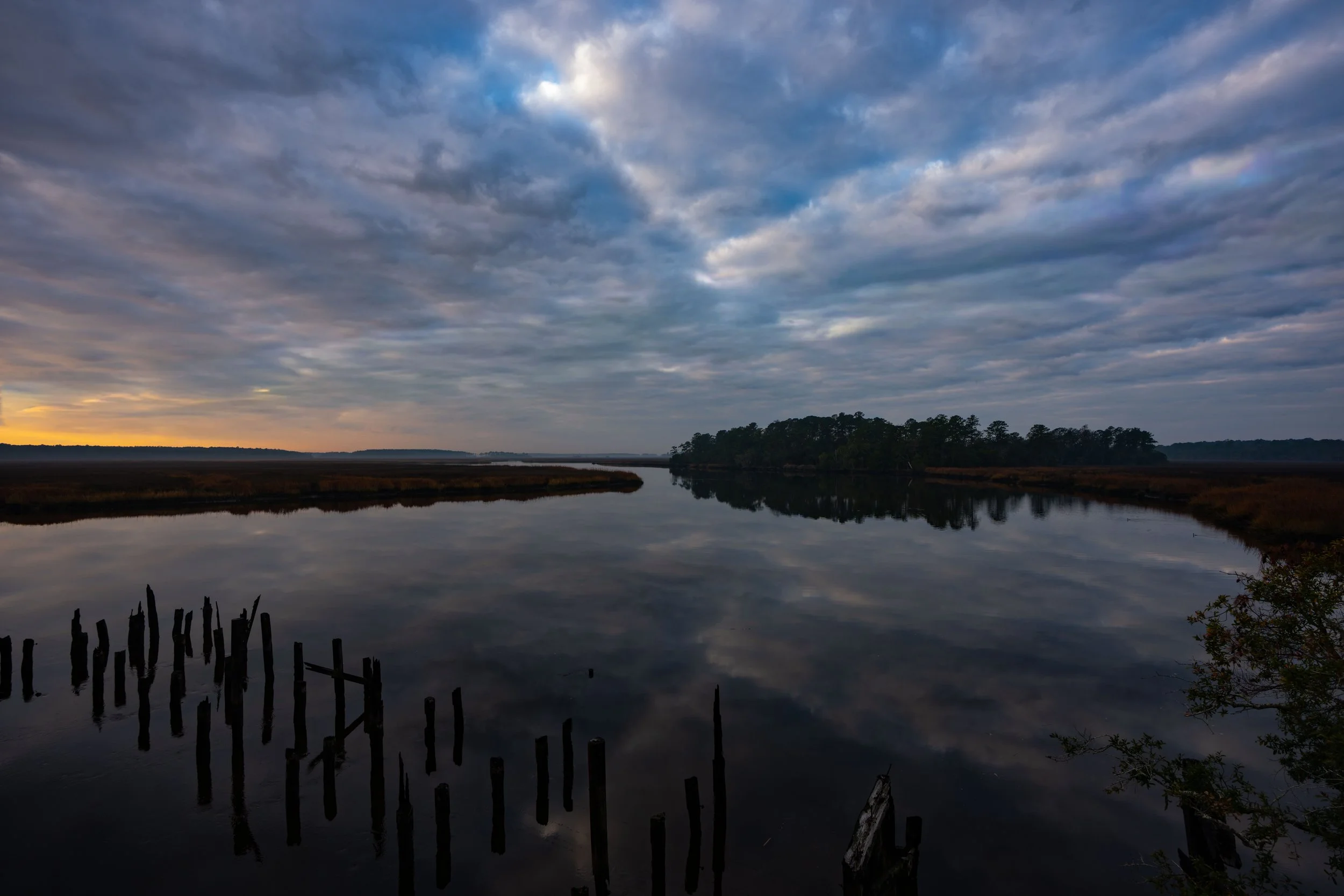
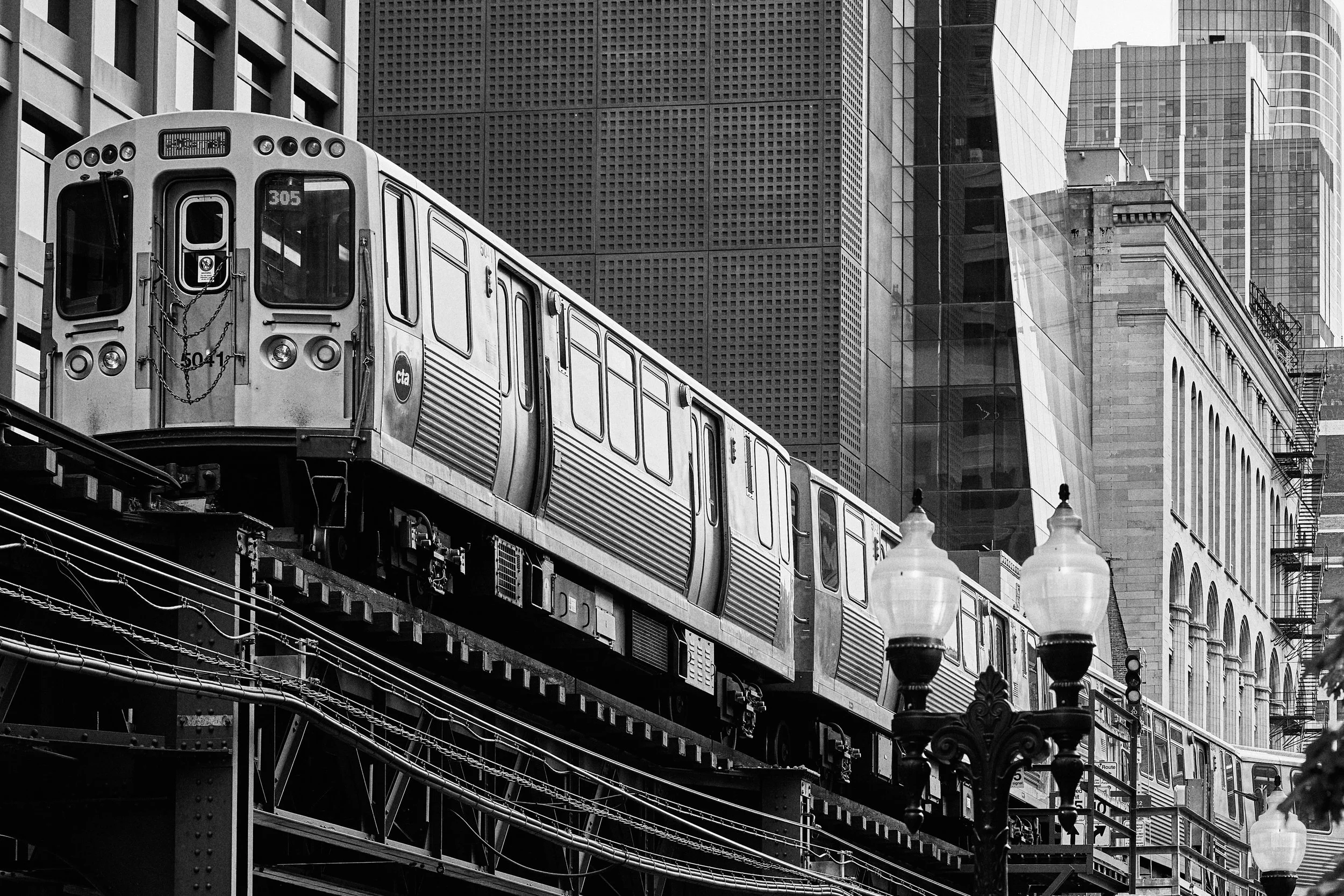
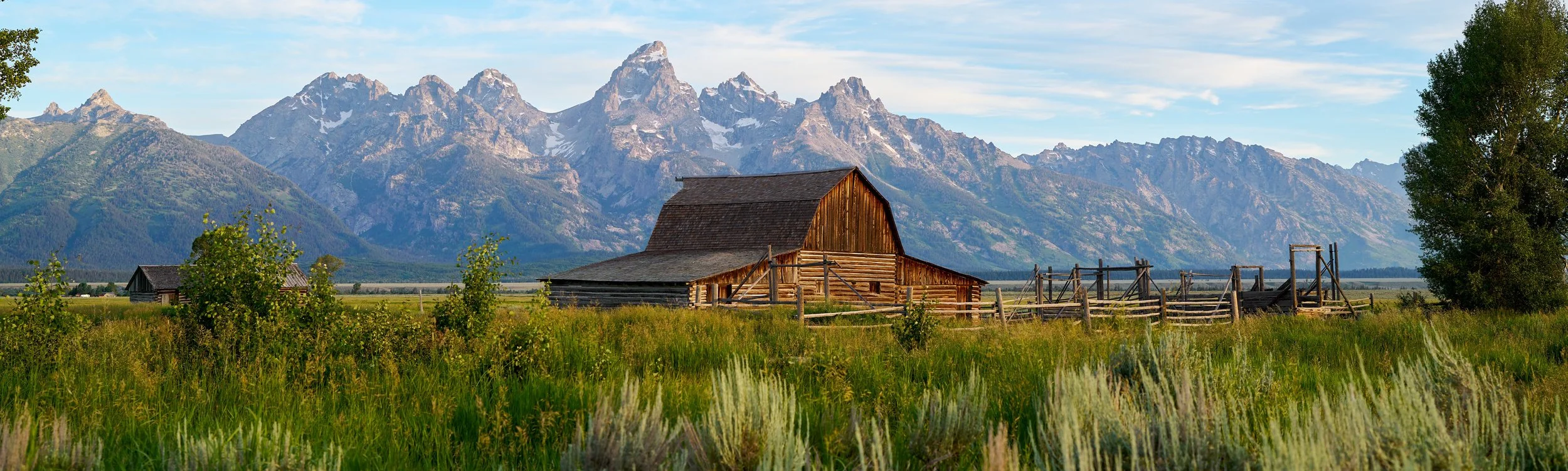
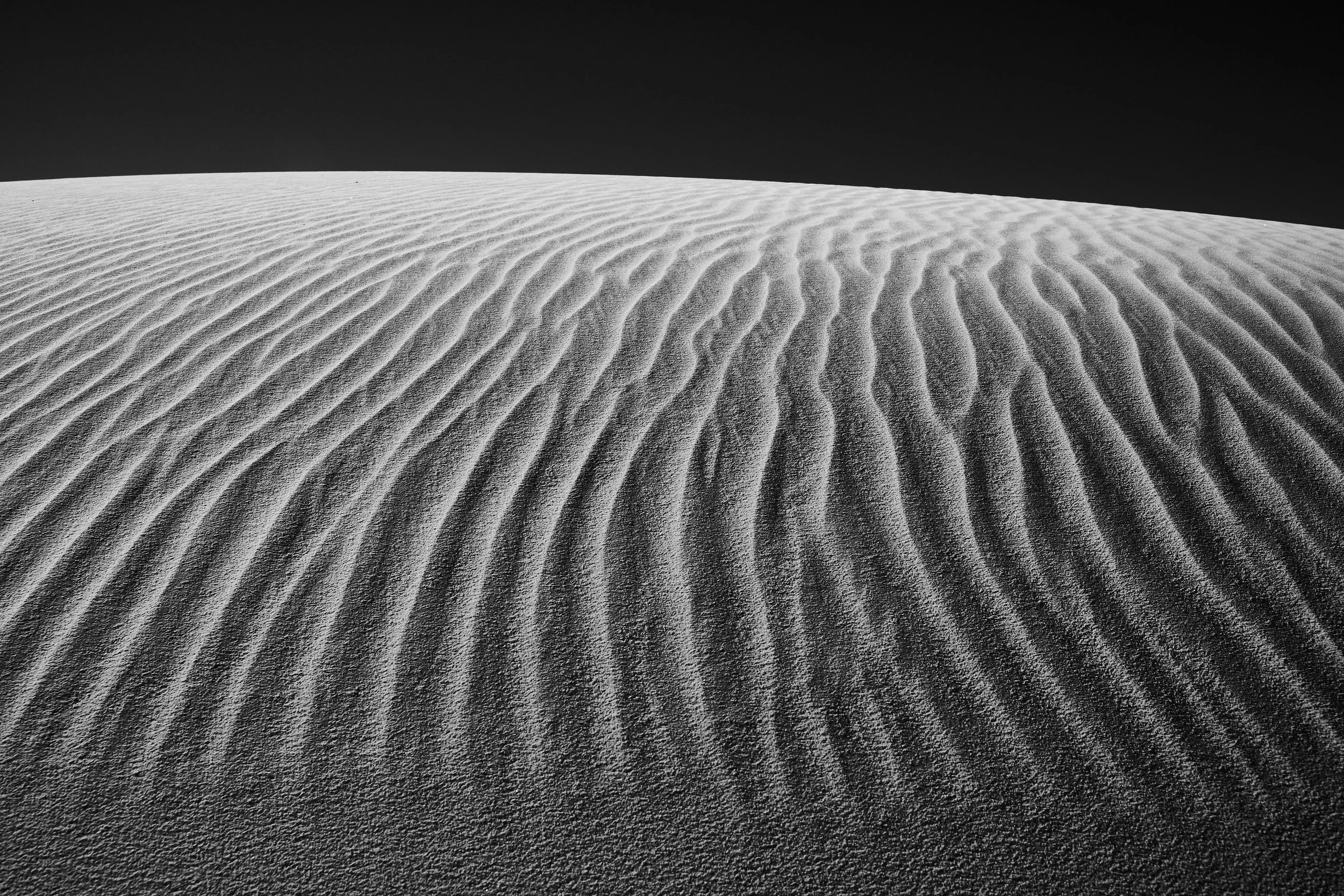
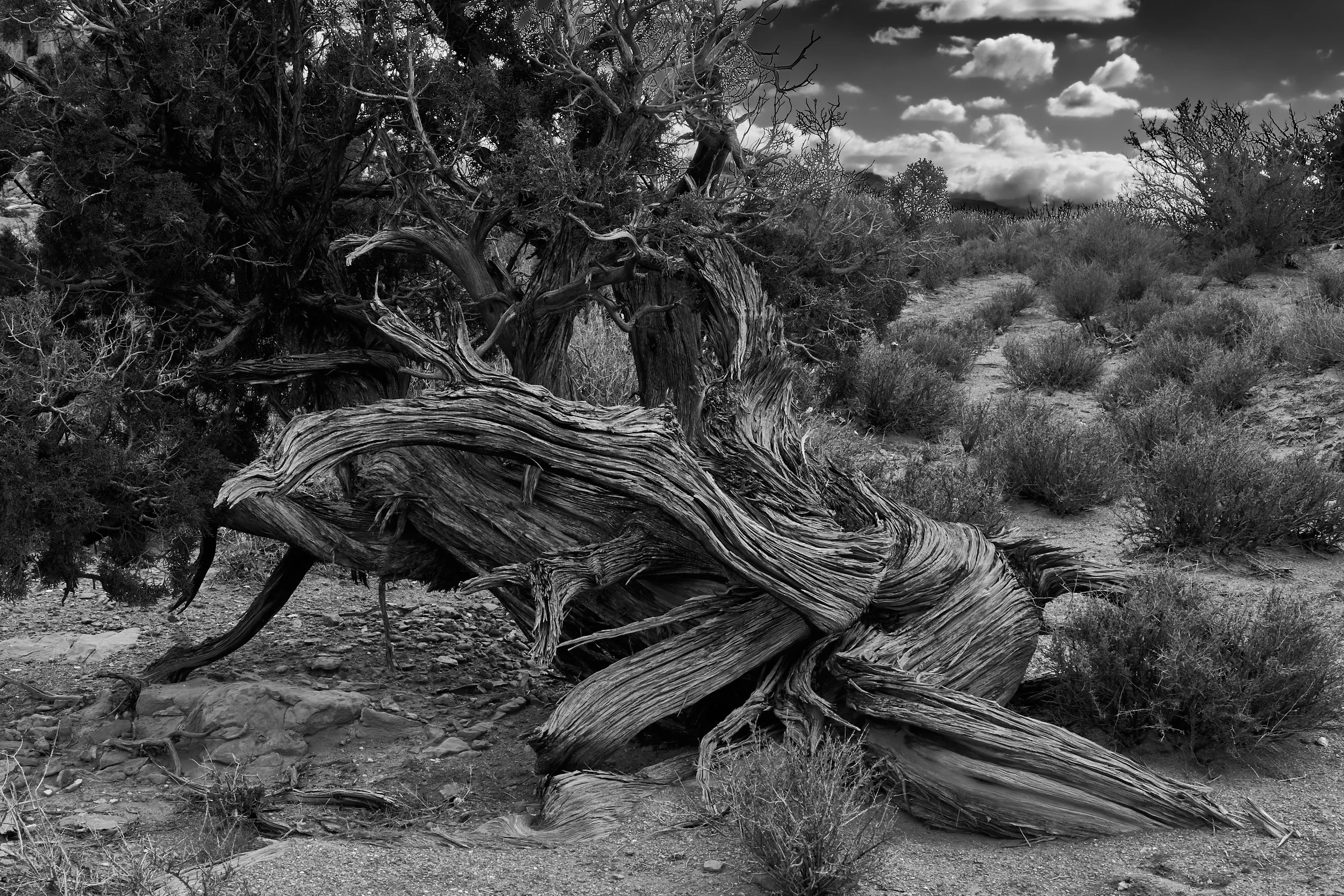
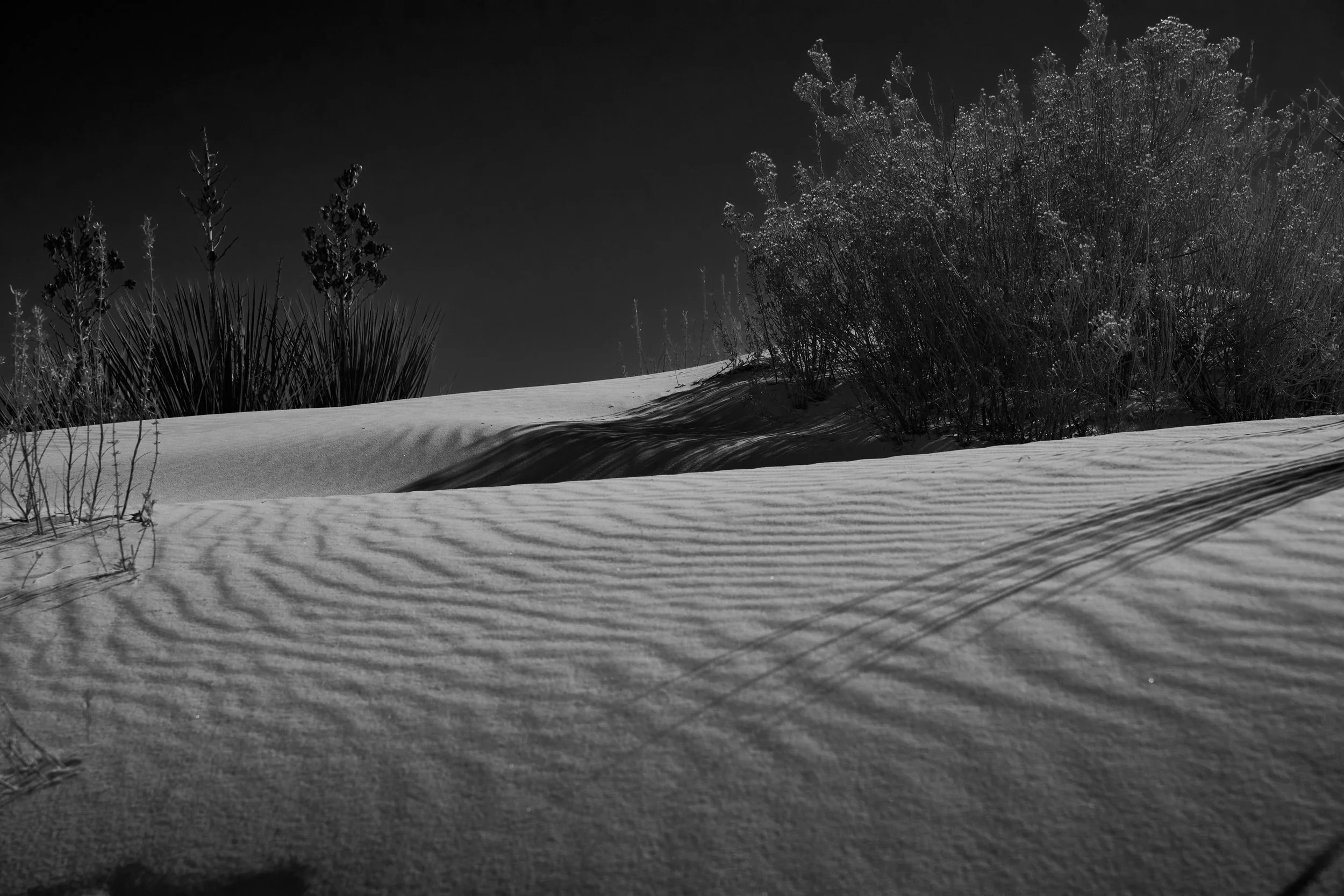
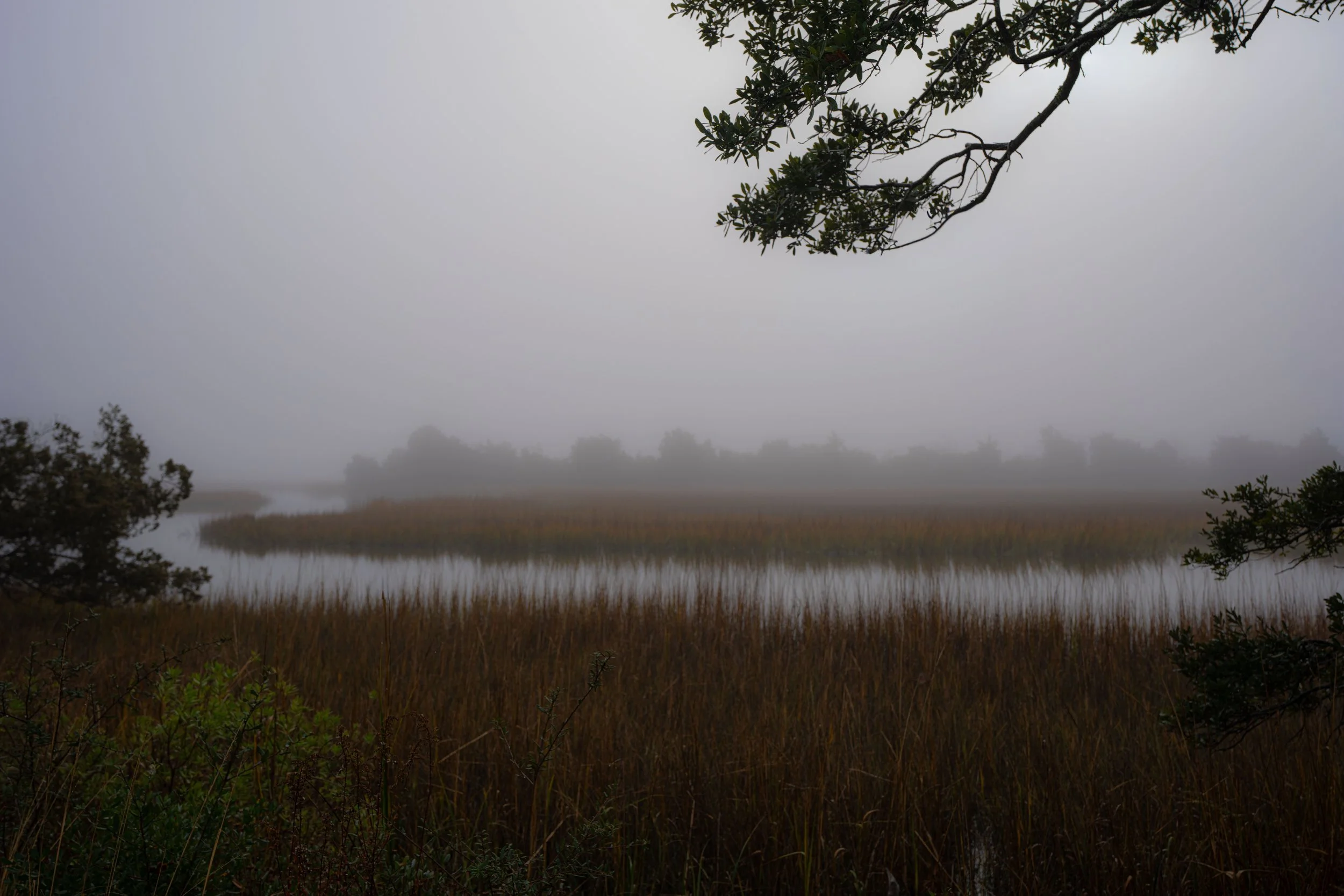
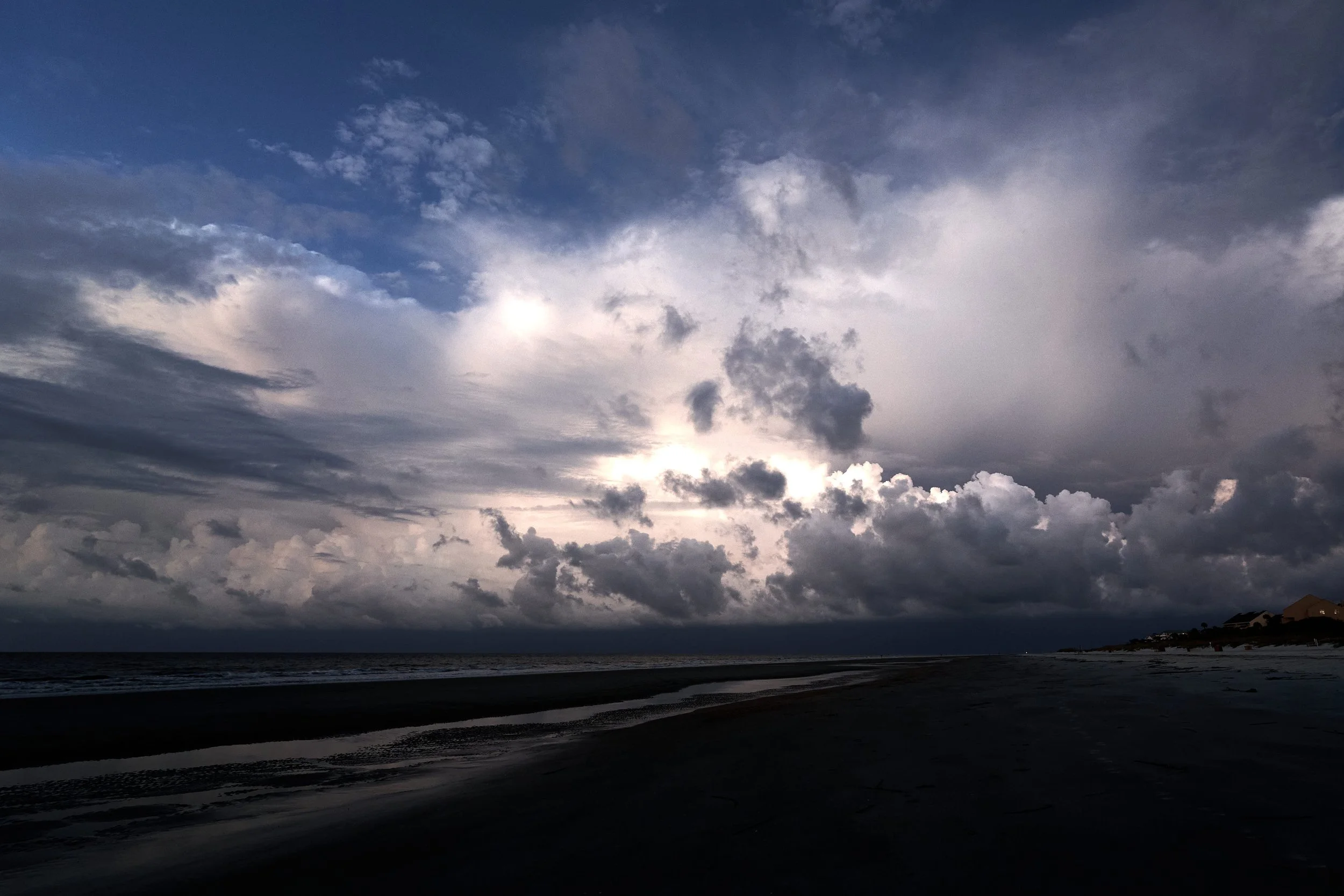
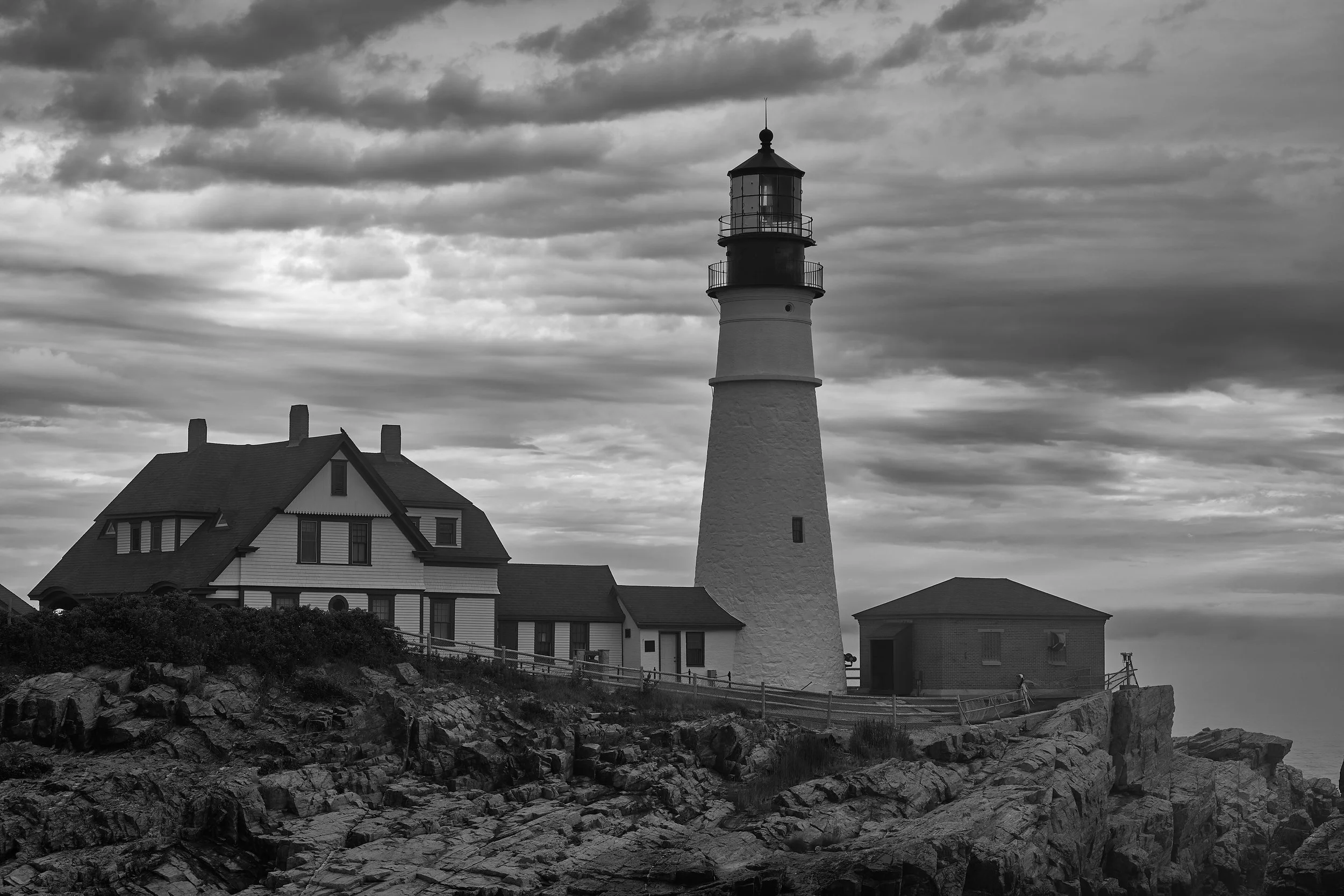
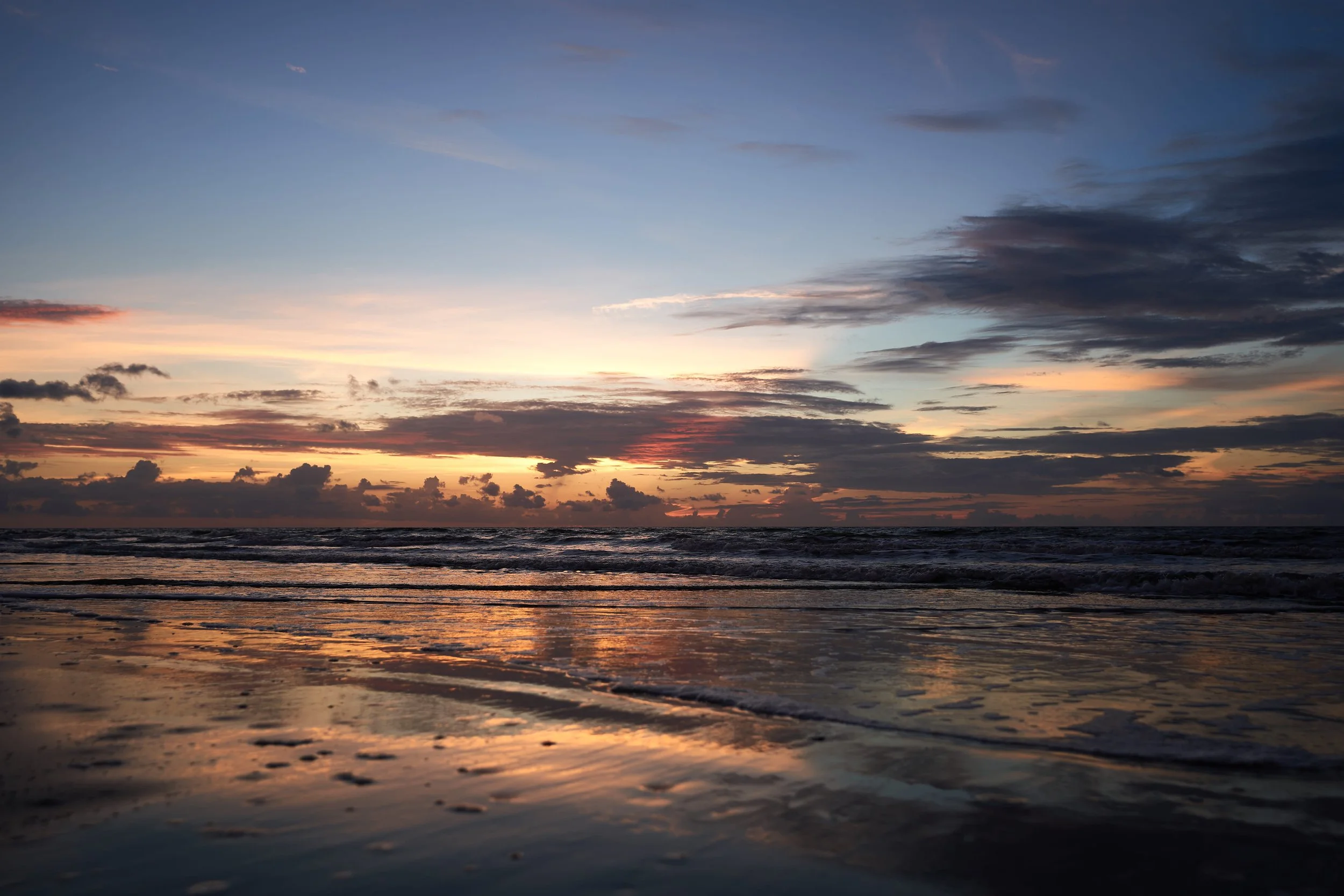
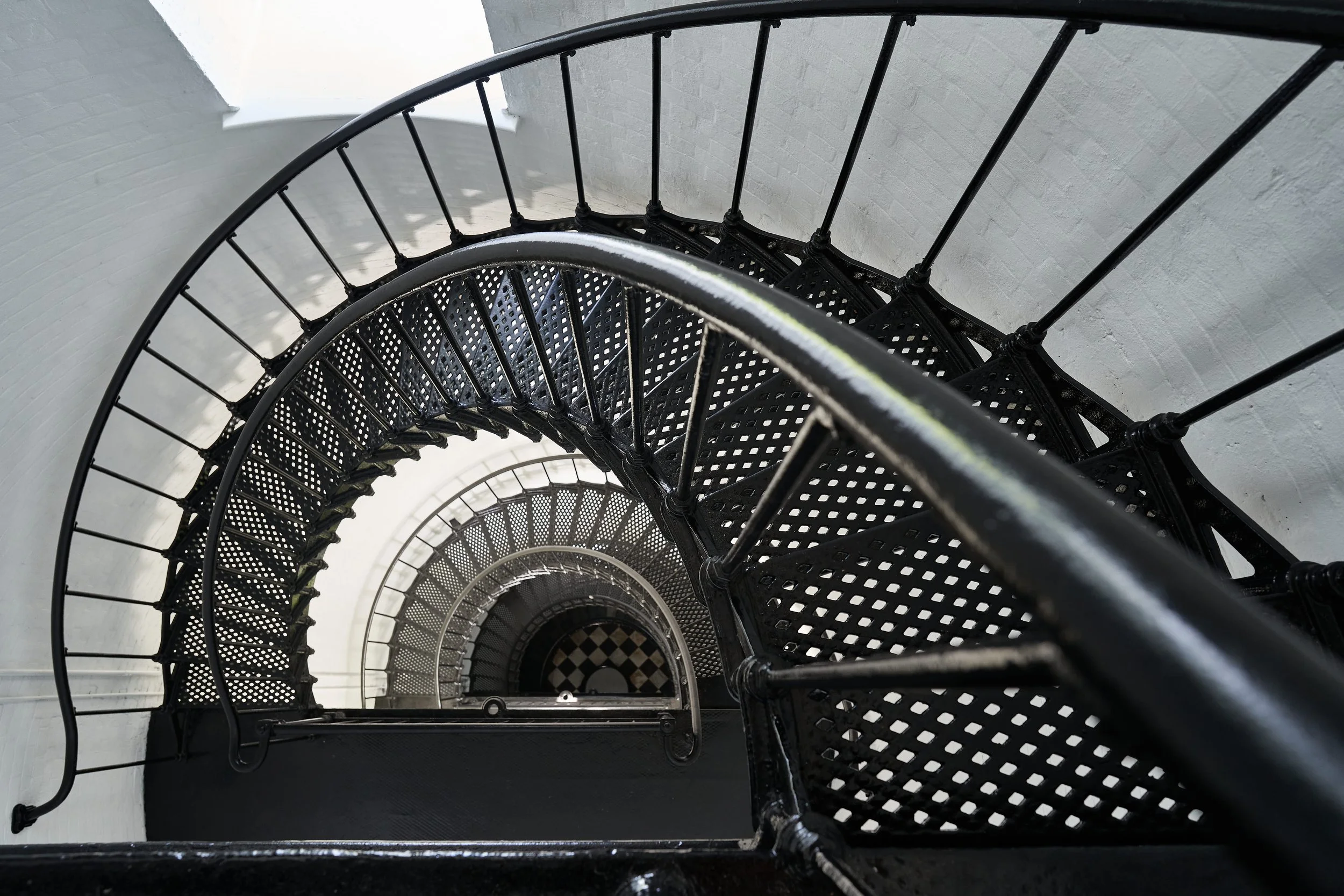
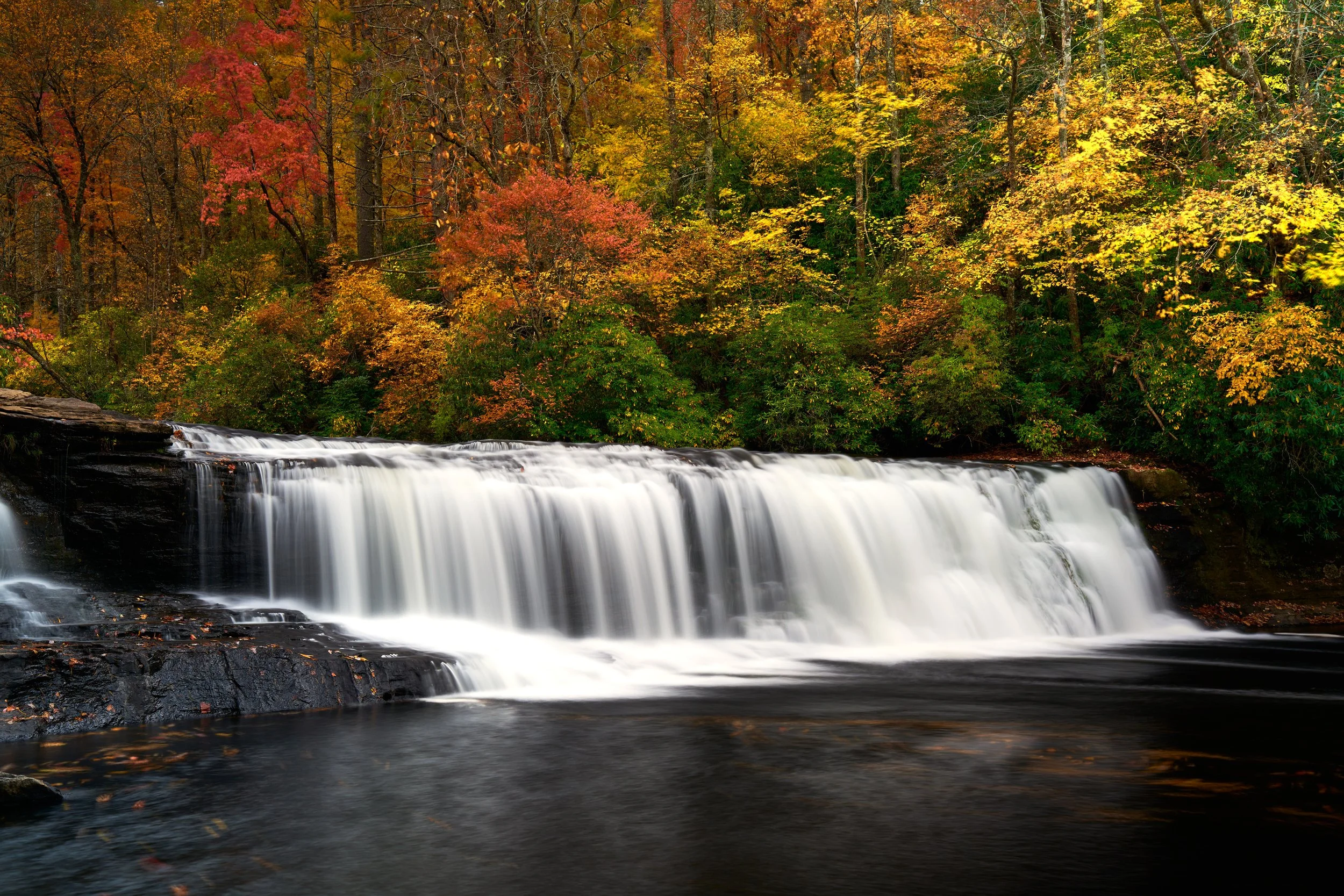
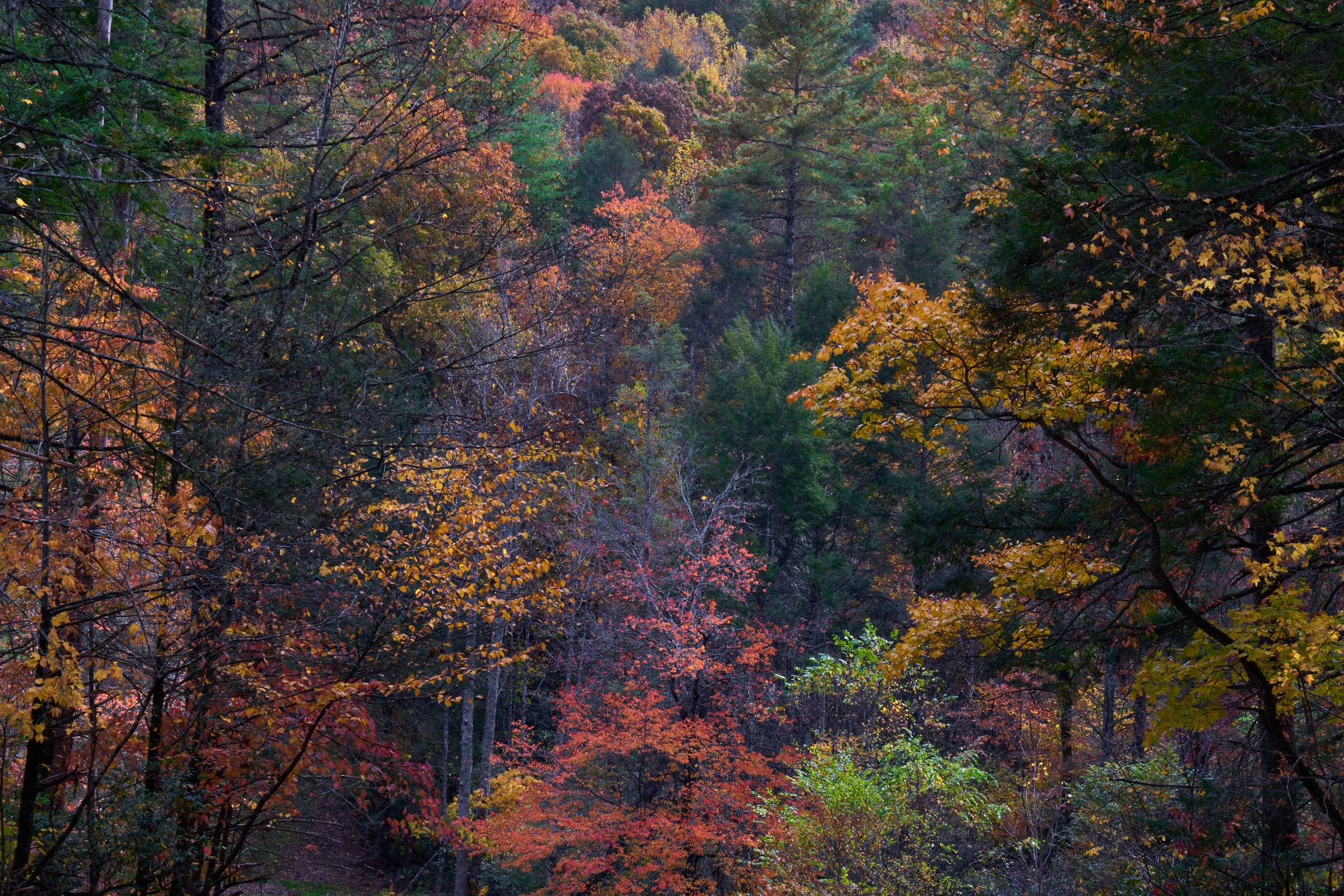
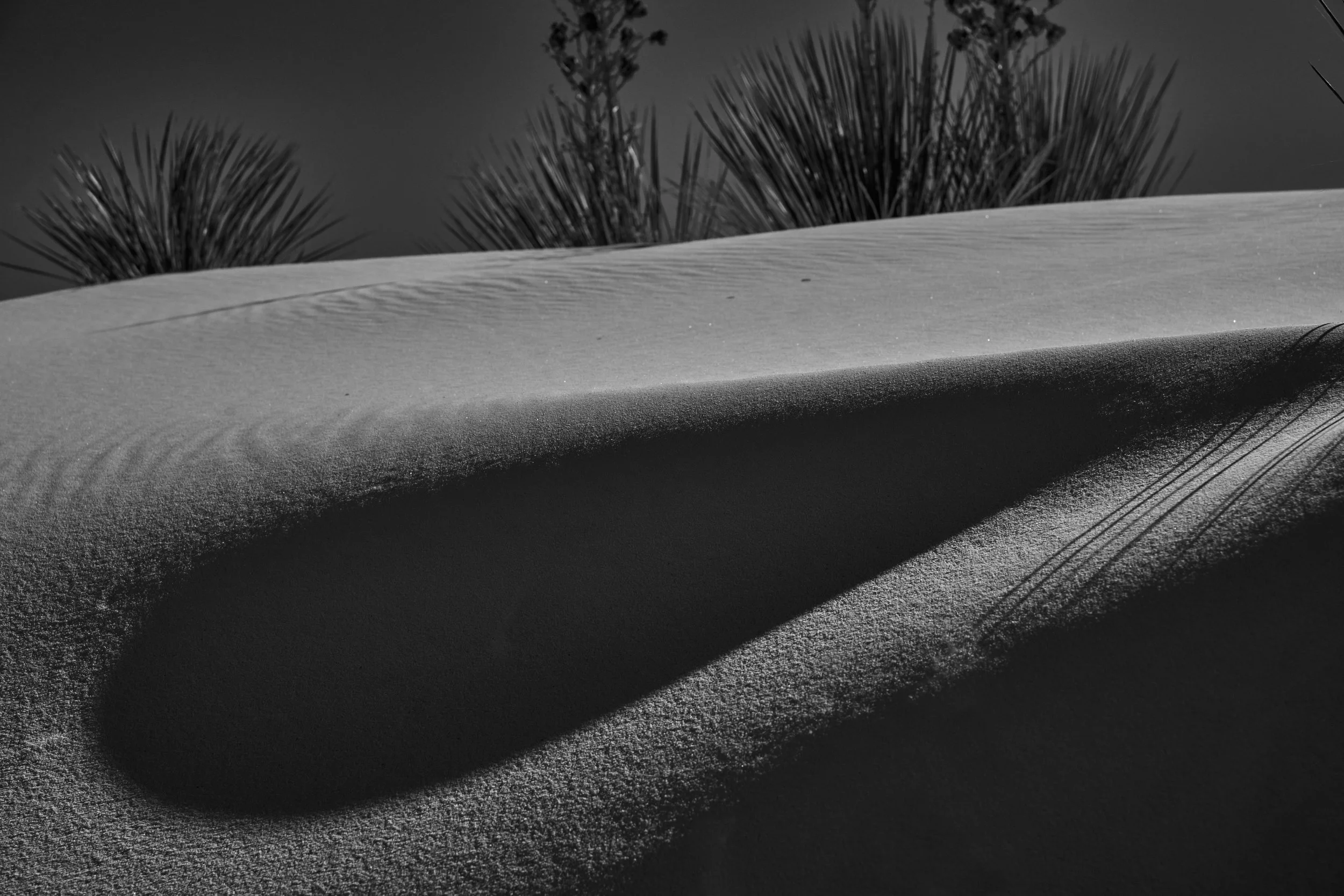
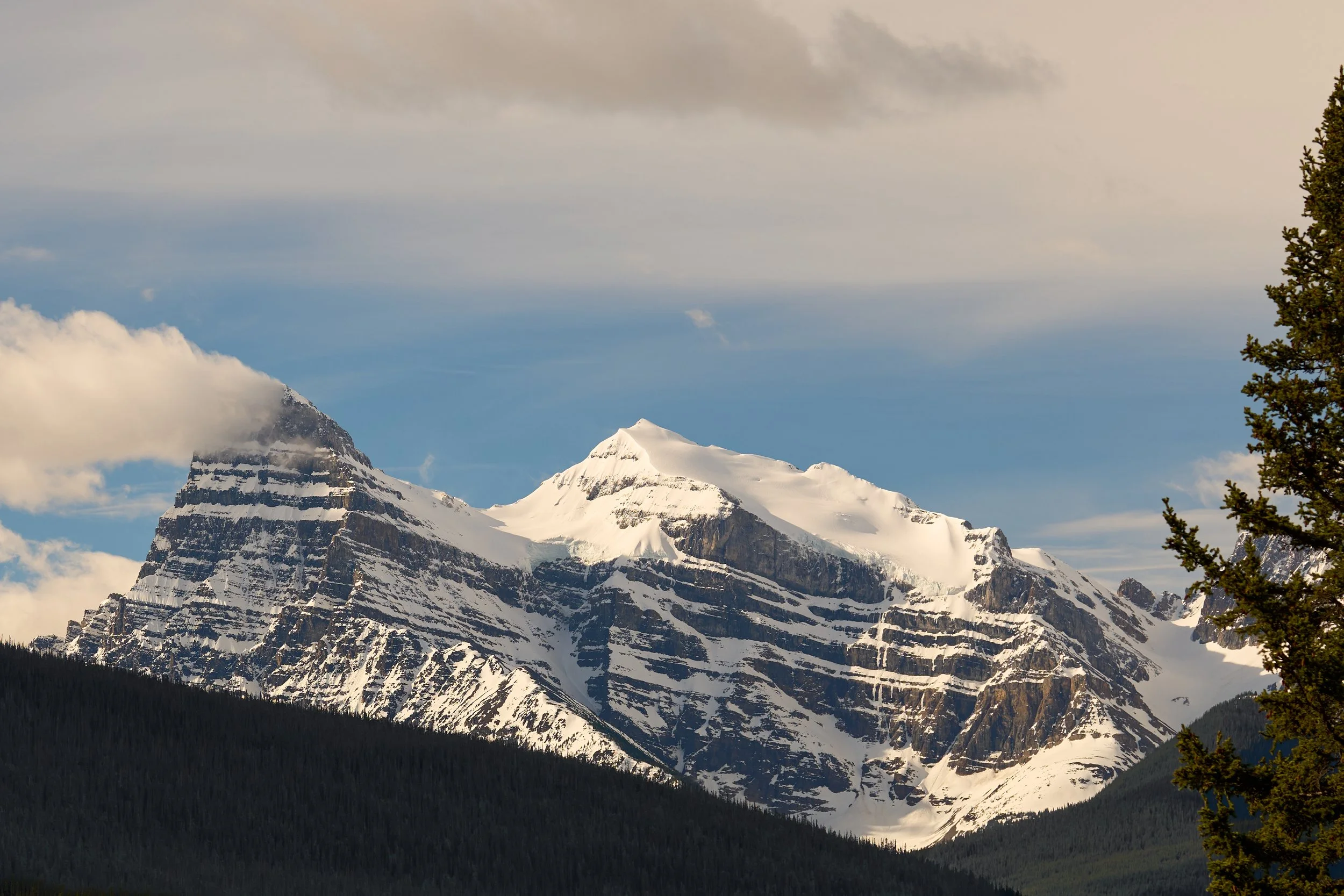
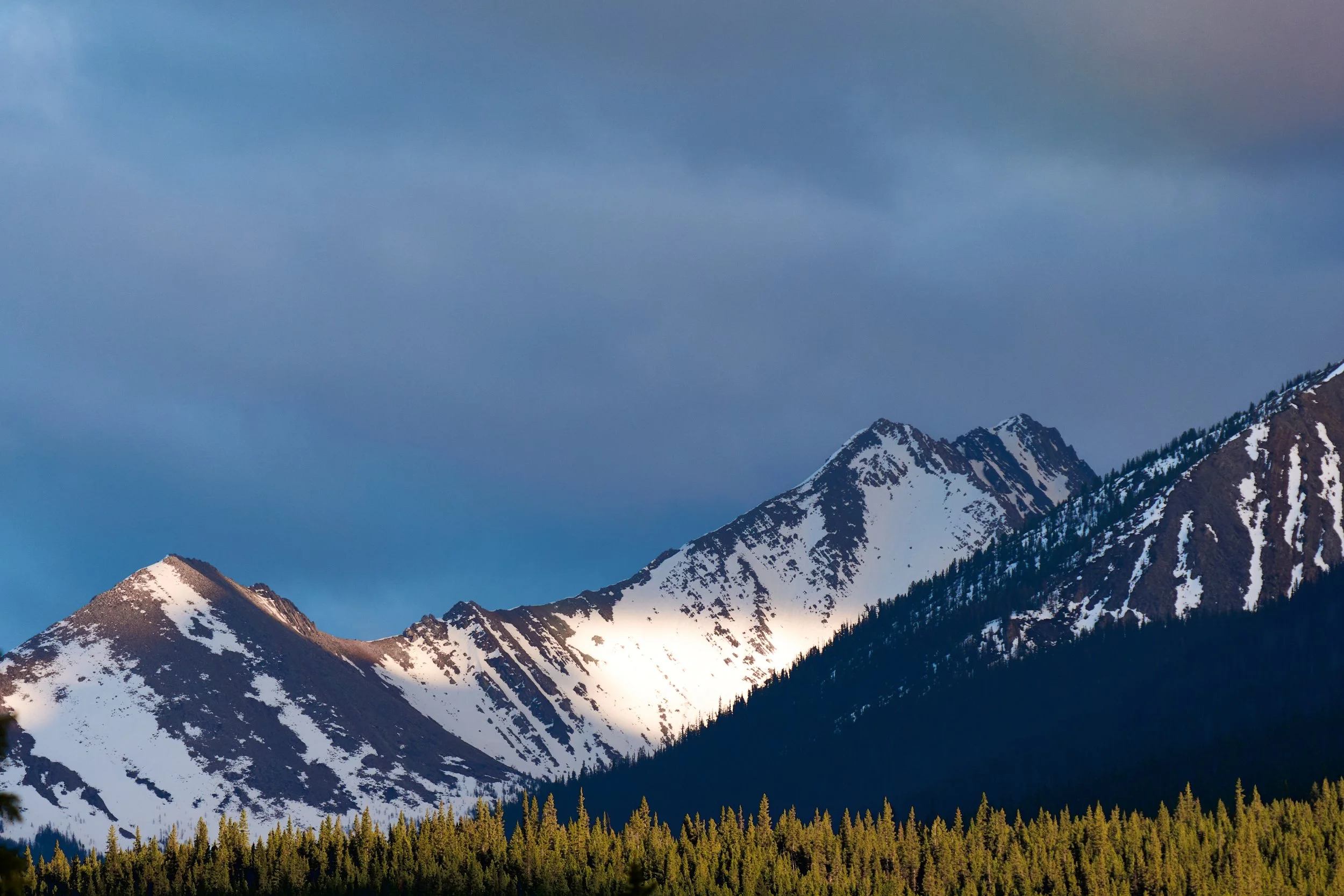
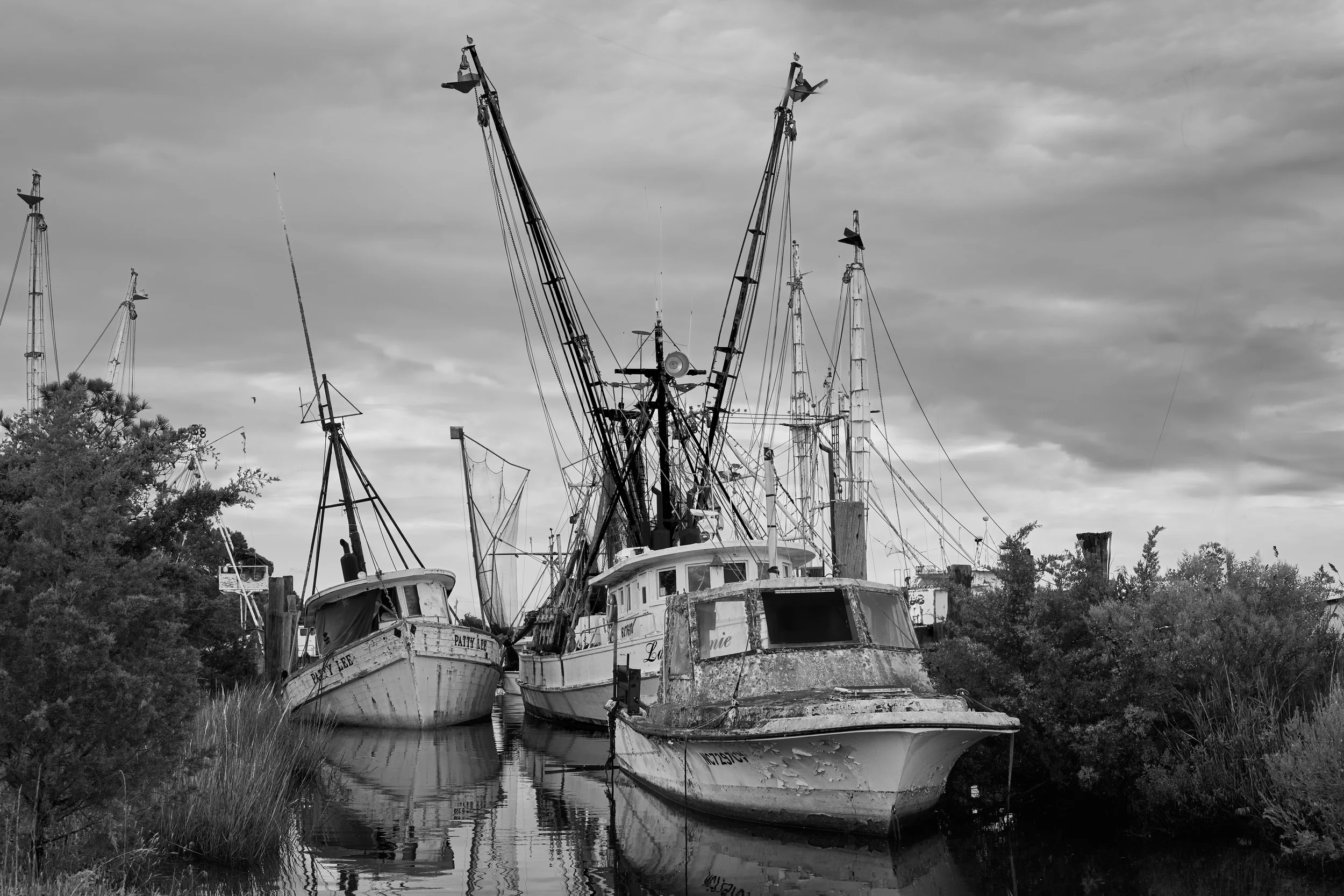
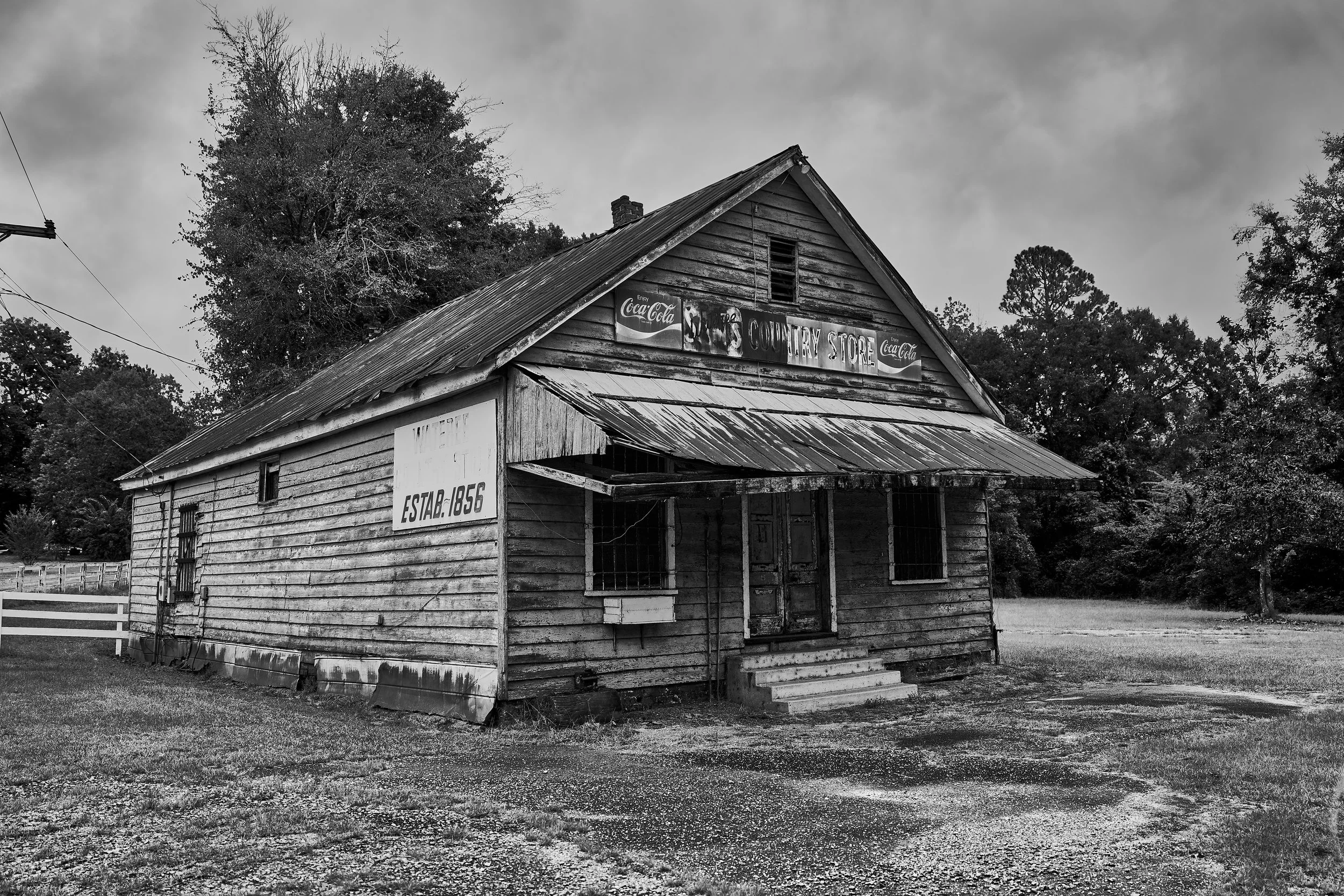
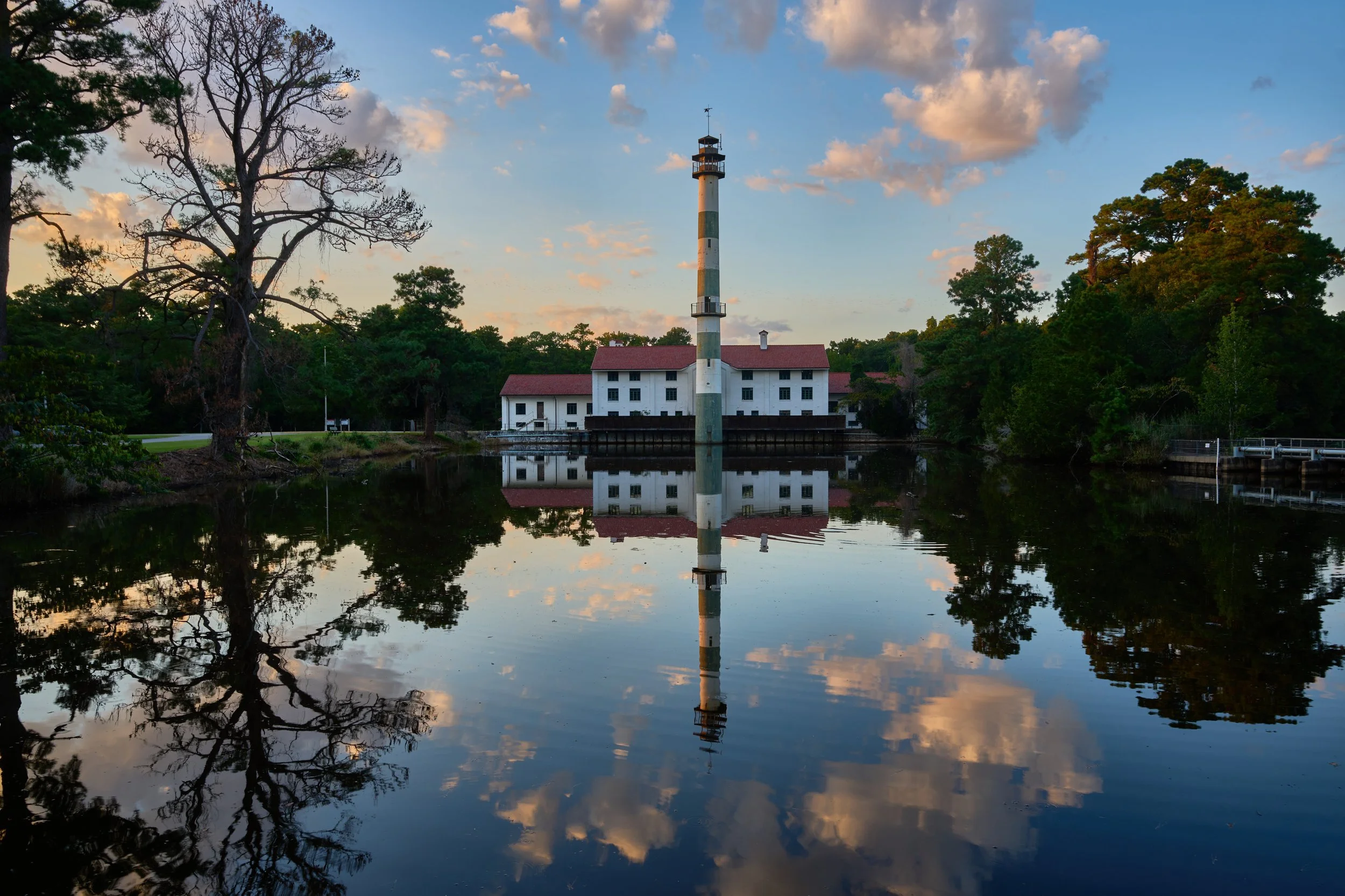
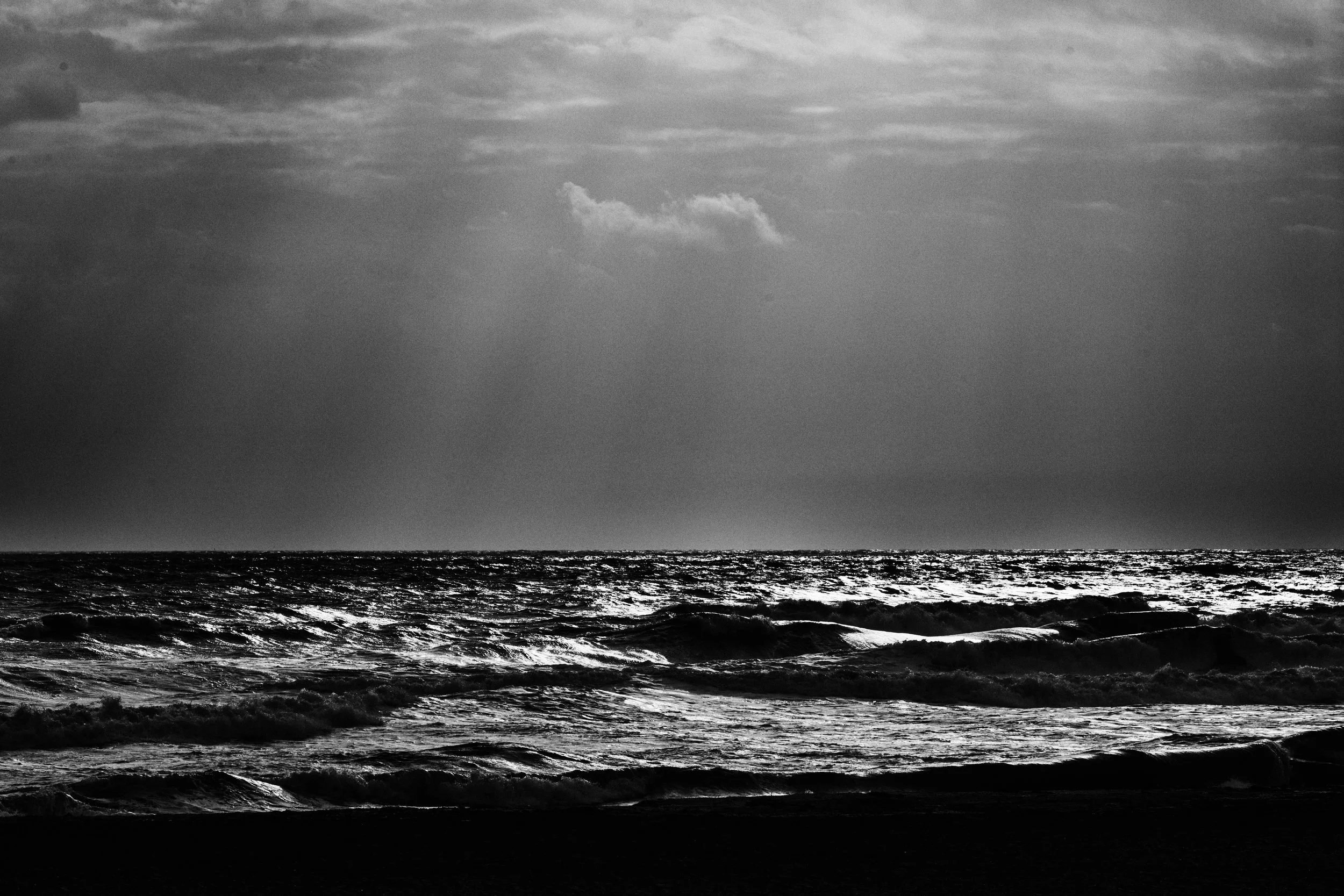
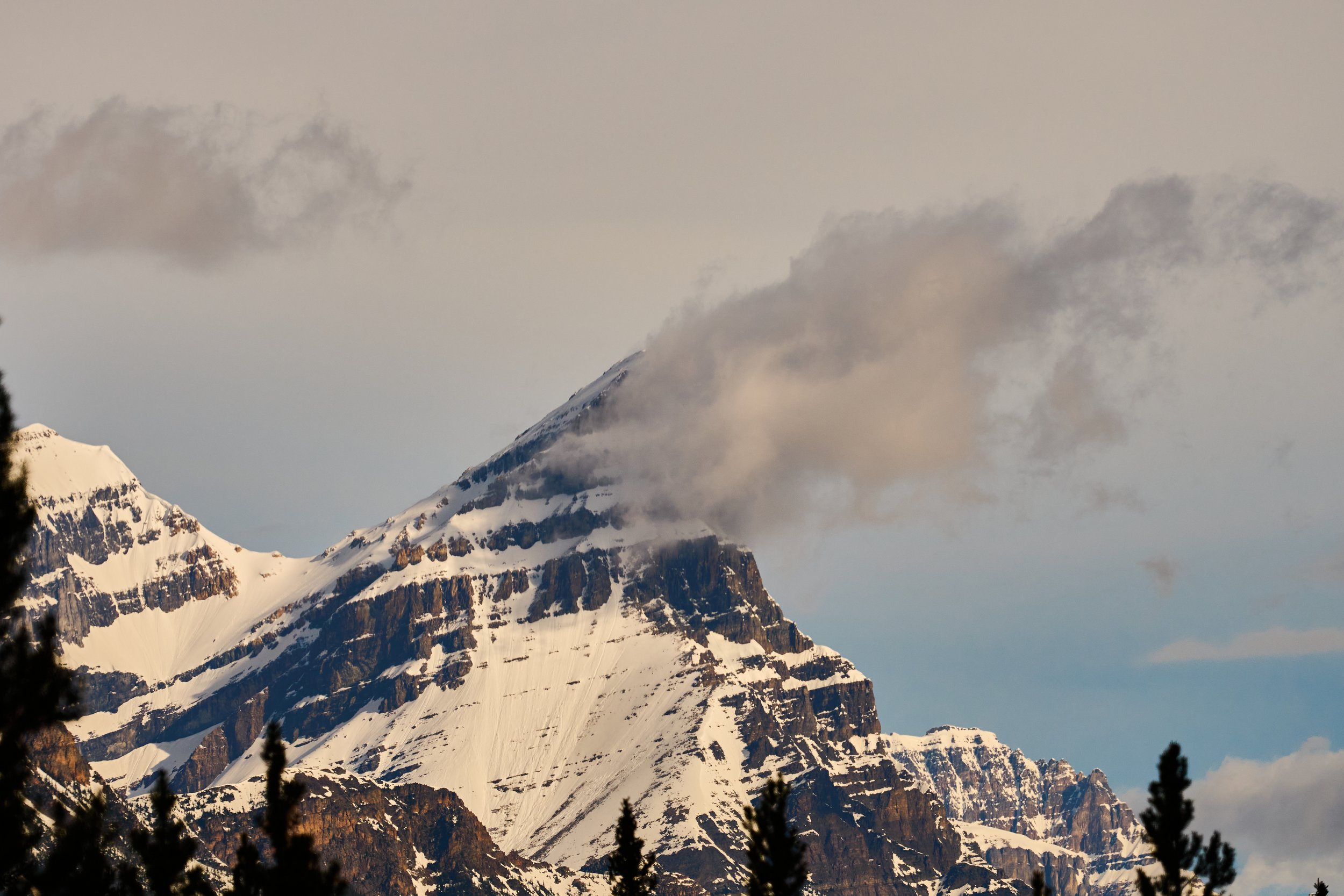
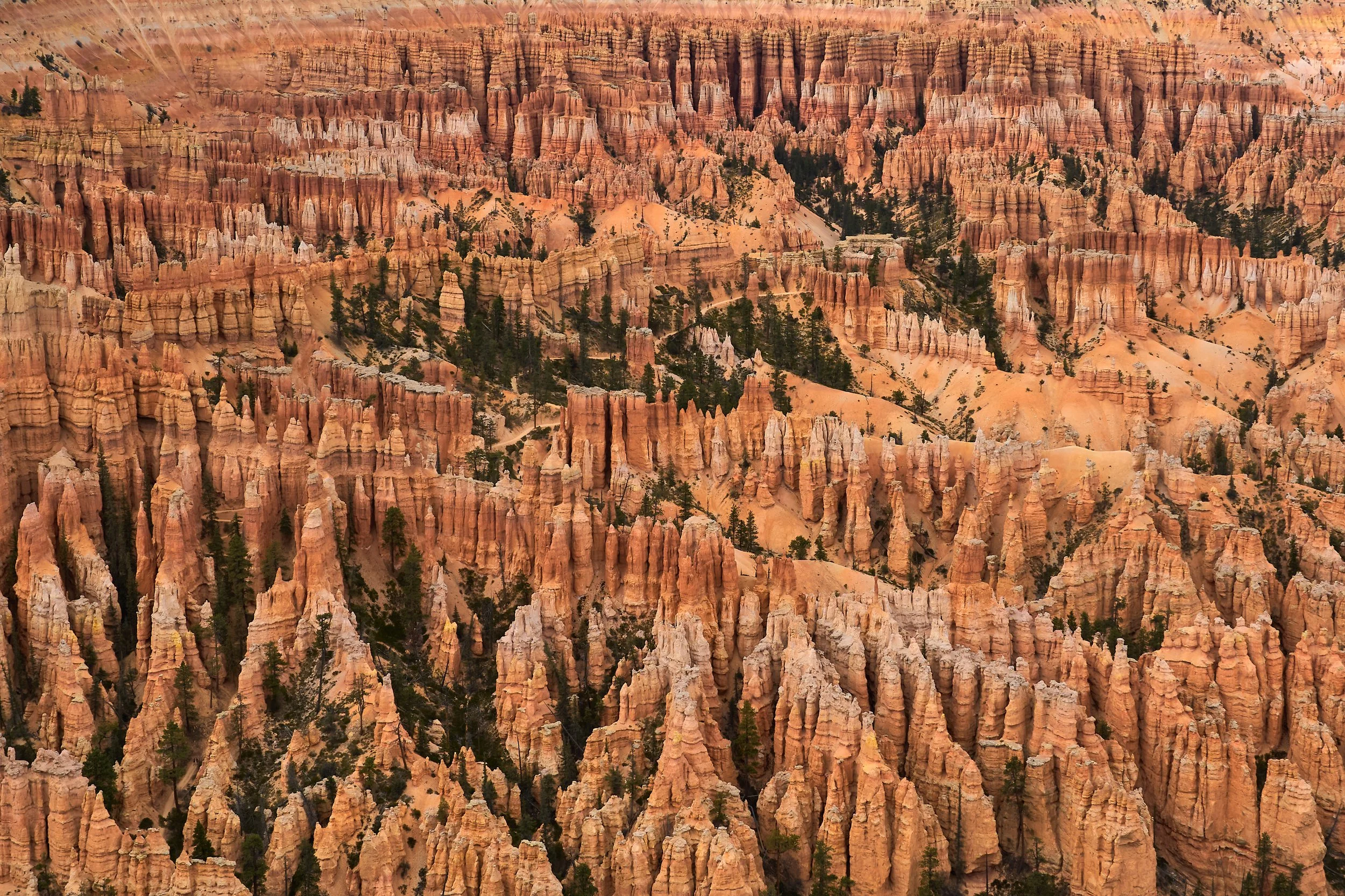
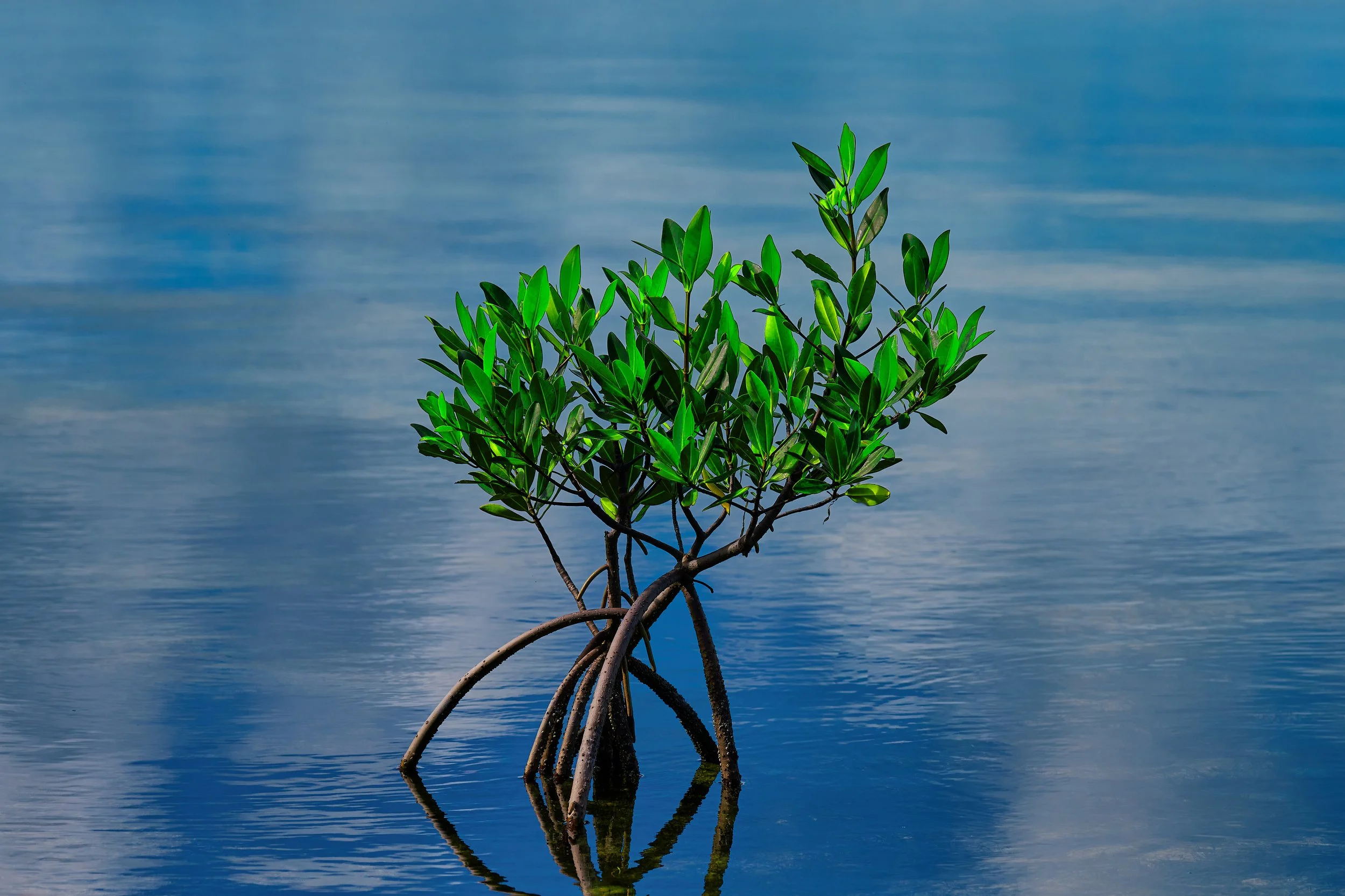
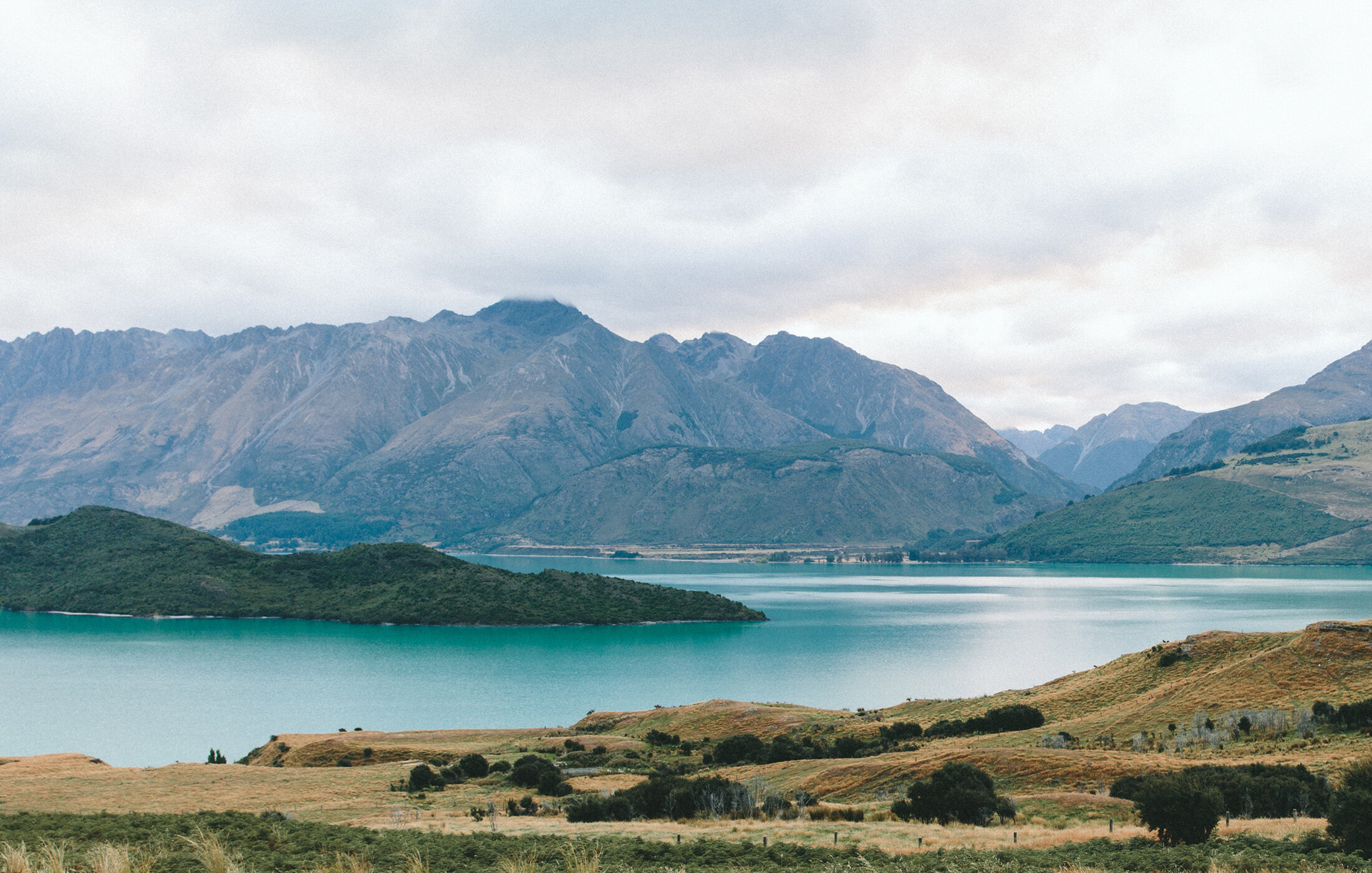
Landscape photography invites us into places we may never physically reach, yet somehow deeply recognize. In a single image, vast distances collapse into an intimate moment, allowing the us to stand at the edge of a mountain, beneath a brooding sky, or beside a quiet river without ever leaving our seat. These photographs become open doors—gentle invitations to wander, to pause, and to breathe in the world beyond our immediate surroundings.
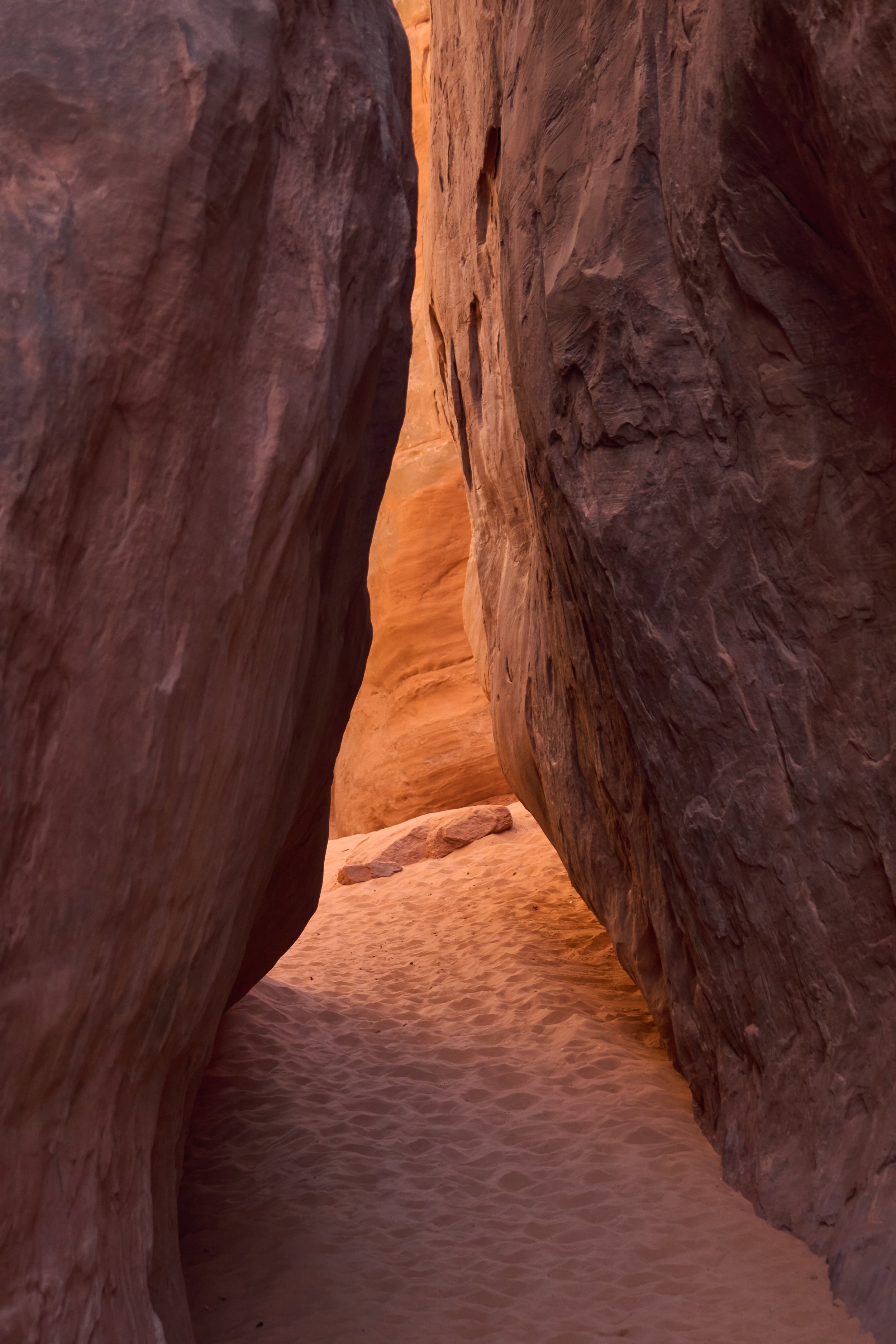
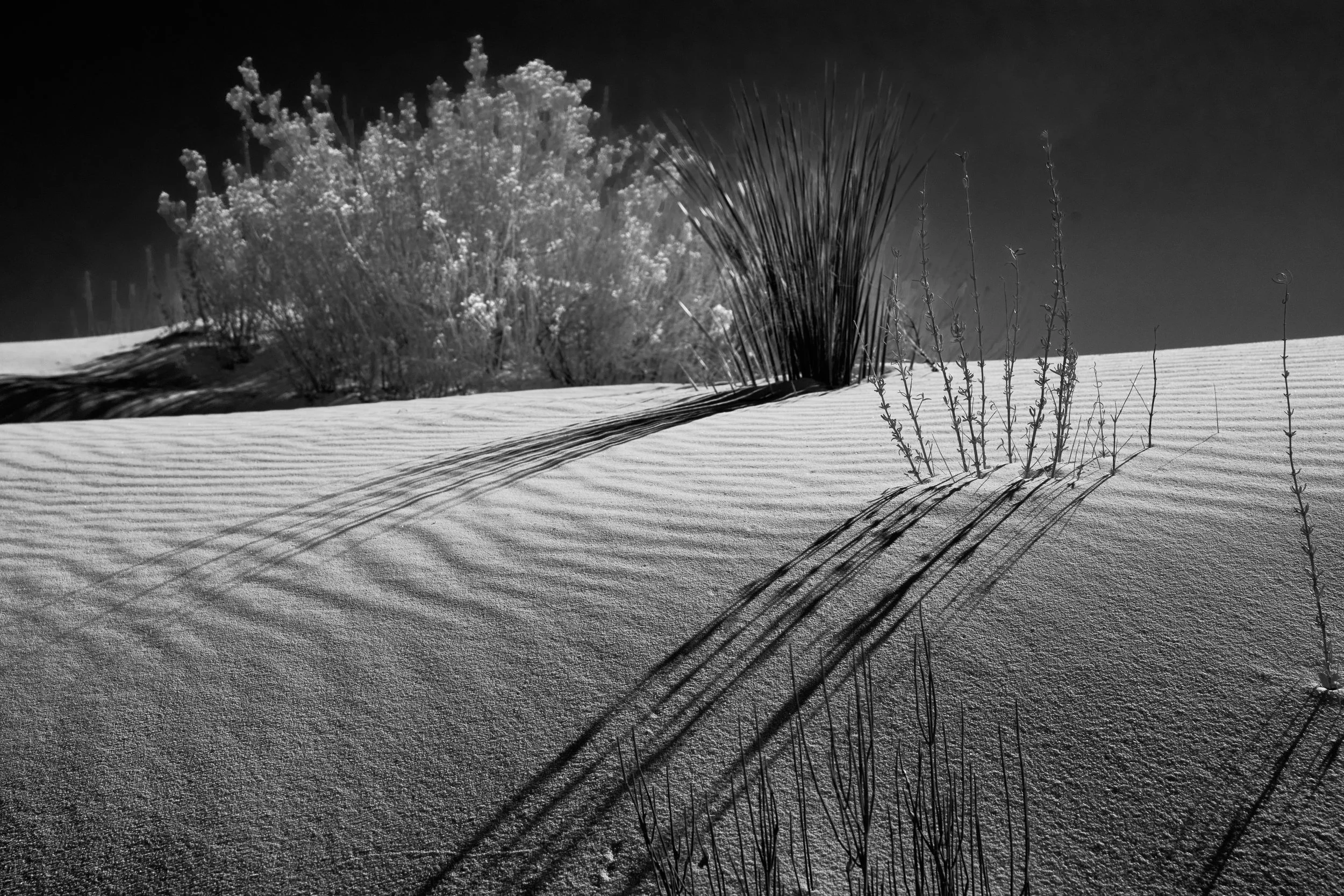
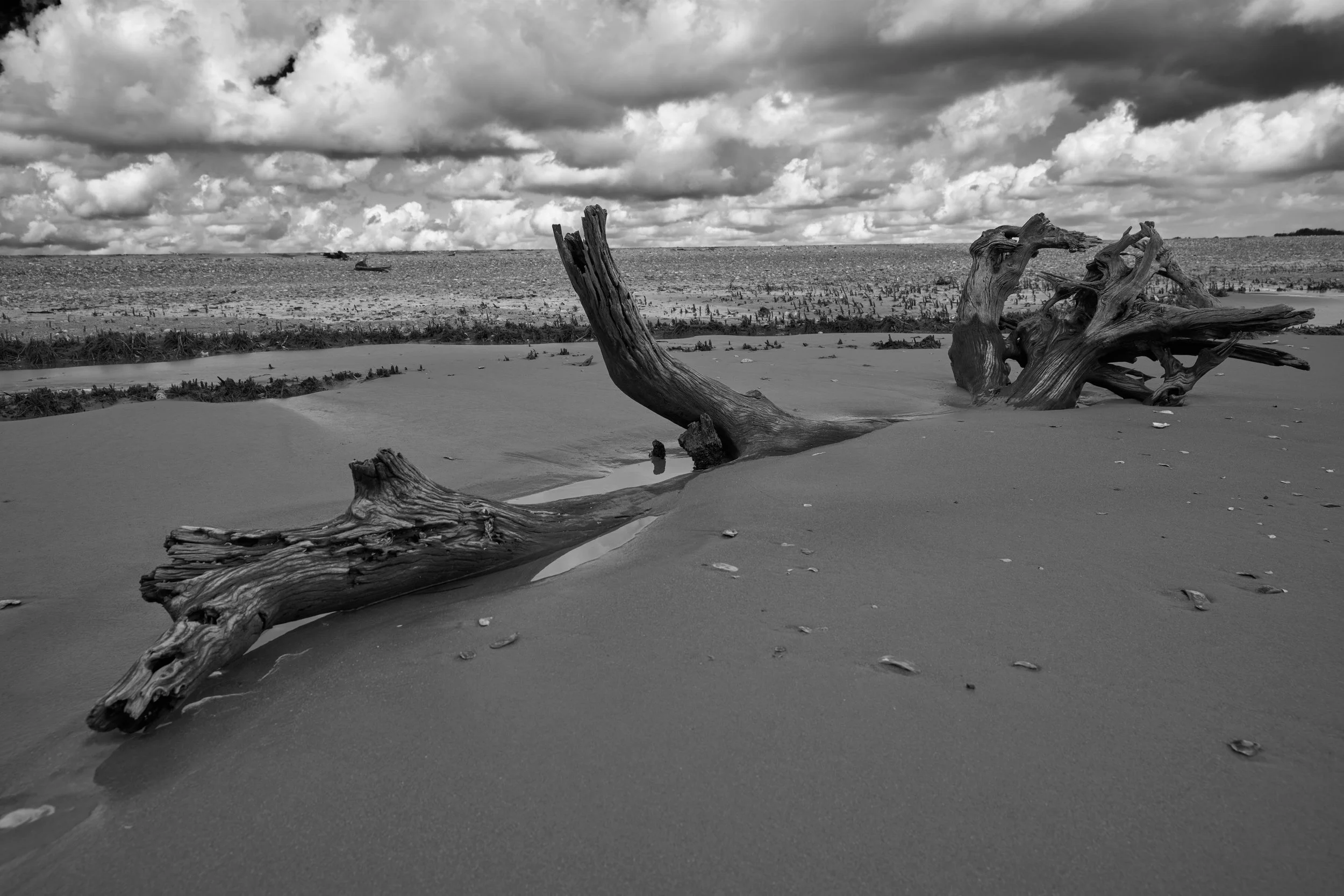
There is a quiet power in landscapes that speaks without words. Rolling hills, weathered coastlines, and endless deserts remind us of the earth’s age and endurance. Time moves differently in these scenes. The rush of daily life softens as our eyes follow lines of light, shadow, and horizon. Landscape photography gives us permission to slow down, to linger in moments where nature exists purely as itself—untouched, patient, and vast.
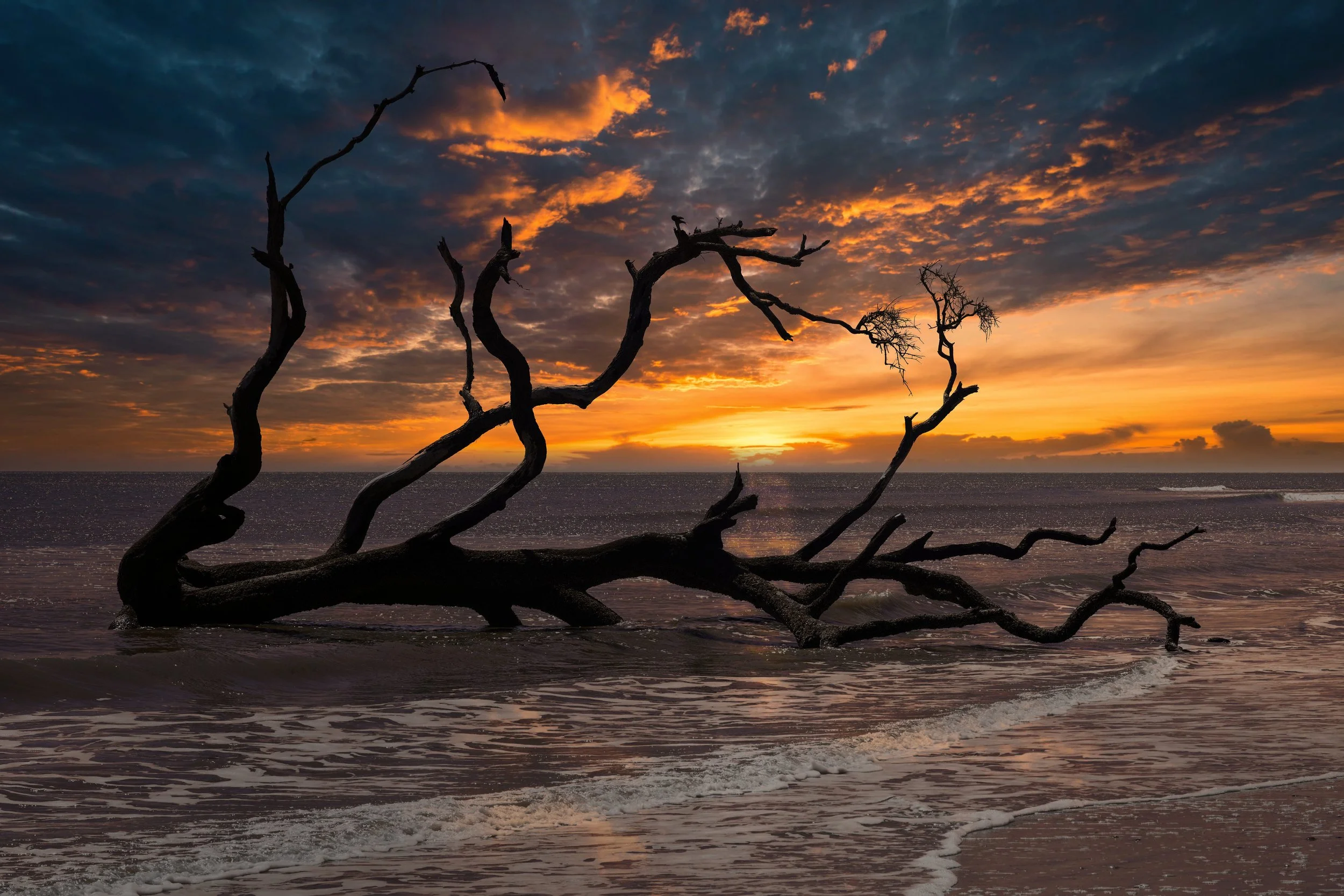
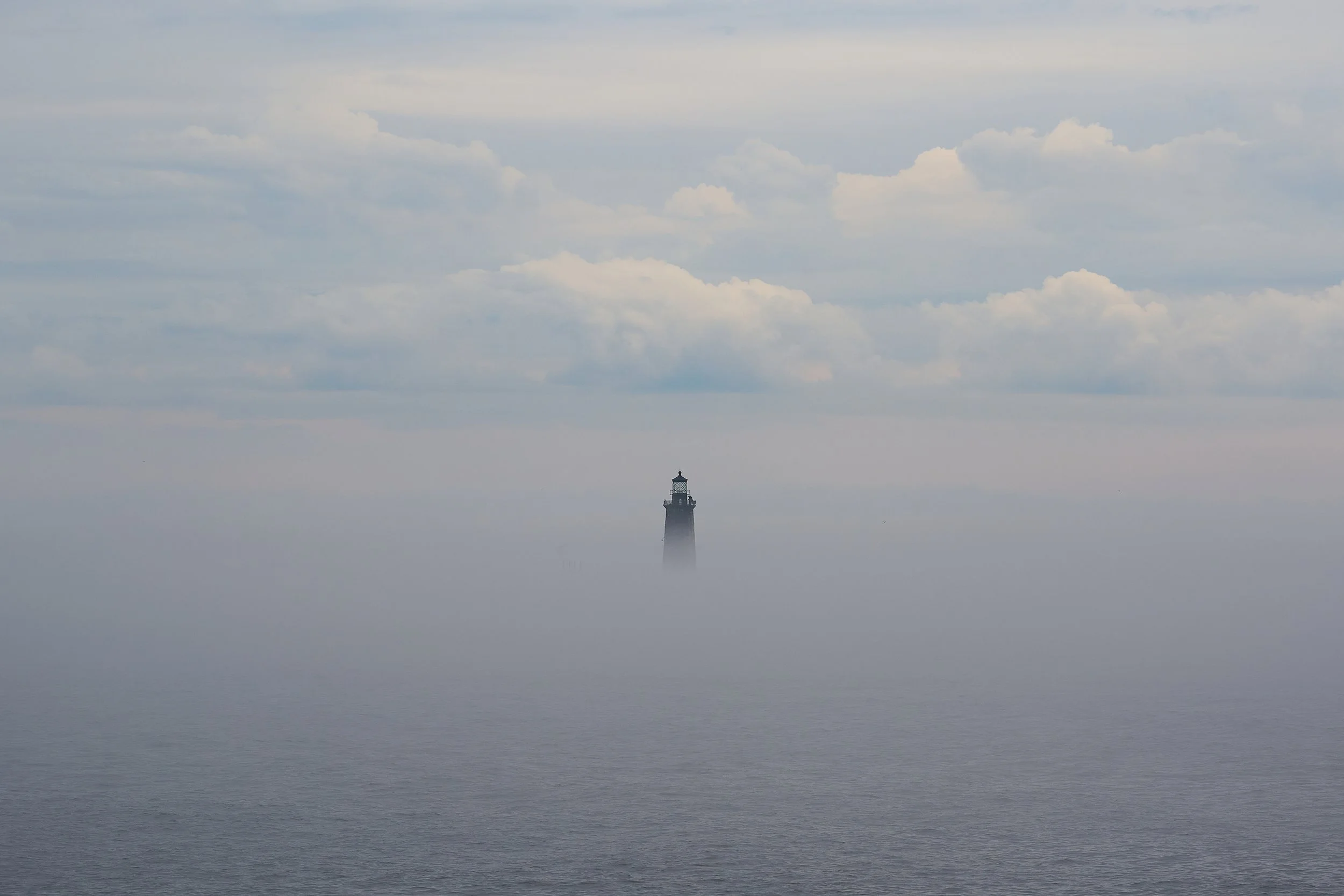
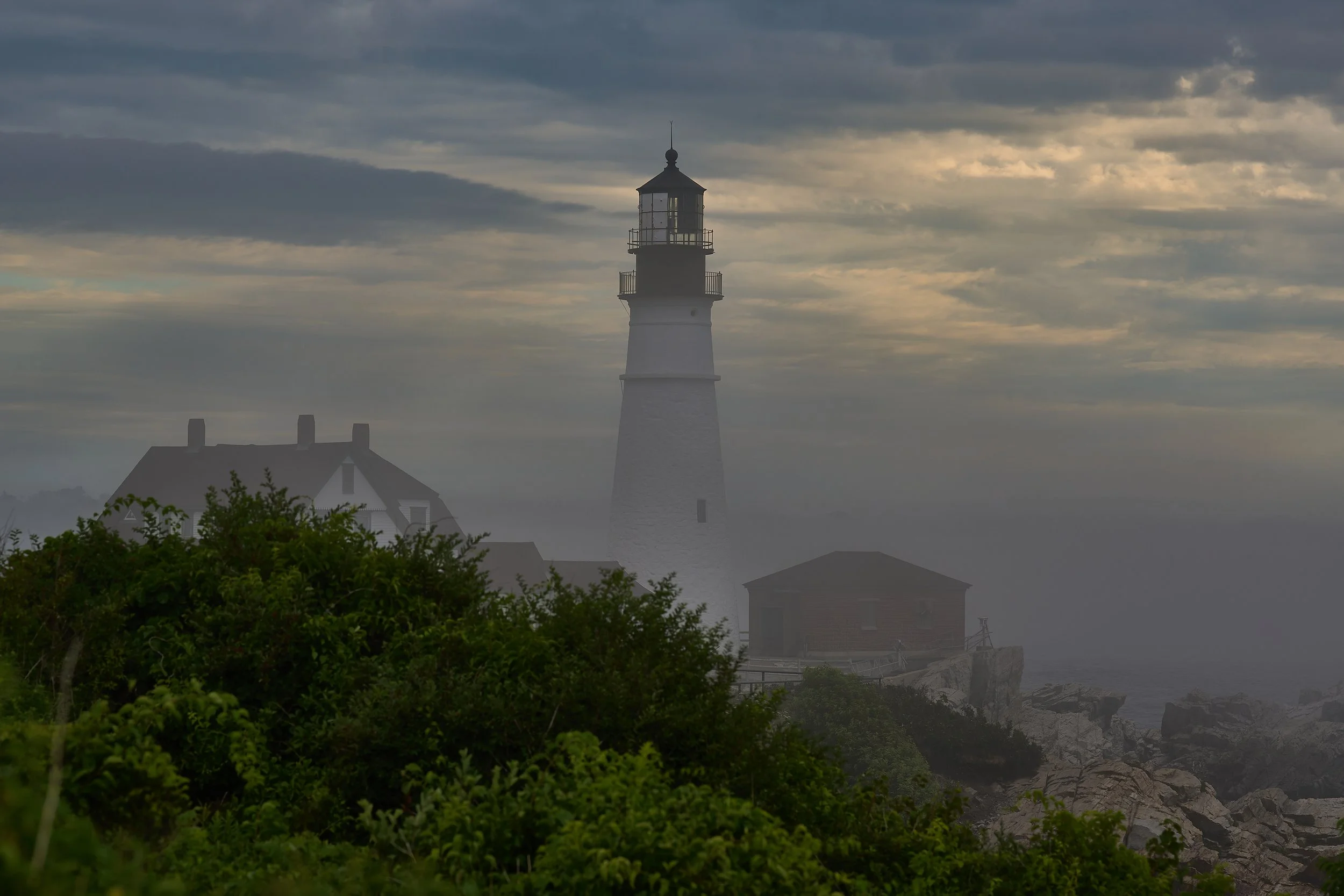
What makes landscape photography especially compelling is its ability to capture fleeting, unrepeatable moments. A break in the clouds, the brief glow of sunrise, or mist rising just before it vanishes—these instances exist for seconds, sometimes less. The photograph preserves them, transforming something transient into something lasting. In doing so, it allows us to witness beauty that might otherwise disappear unnoticed.
Landscape images stir emotion in deeply personal ways. A photograph of a quiet marsh may evoke peace, while a storm-lit horizon might awaken awe or introspection. These scenes often mirror our inner landscapes—calm, turbulent, hopeful, or reflective—creating a subtle emotional dialogue between viewer and image. Each person brings their own story to the photograph, finding meaning in the land that resonates uniquely with them.
Ultimately, landscape photography reminds us of our place in the world. It humbles and inspires at once, revealing both the grandeur of nature and our small, fleeting role within it. To look at a landscape photograph is to reconnect—with the earth, with memory, and with the simple wonder of seeing.