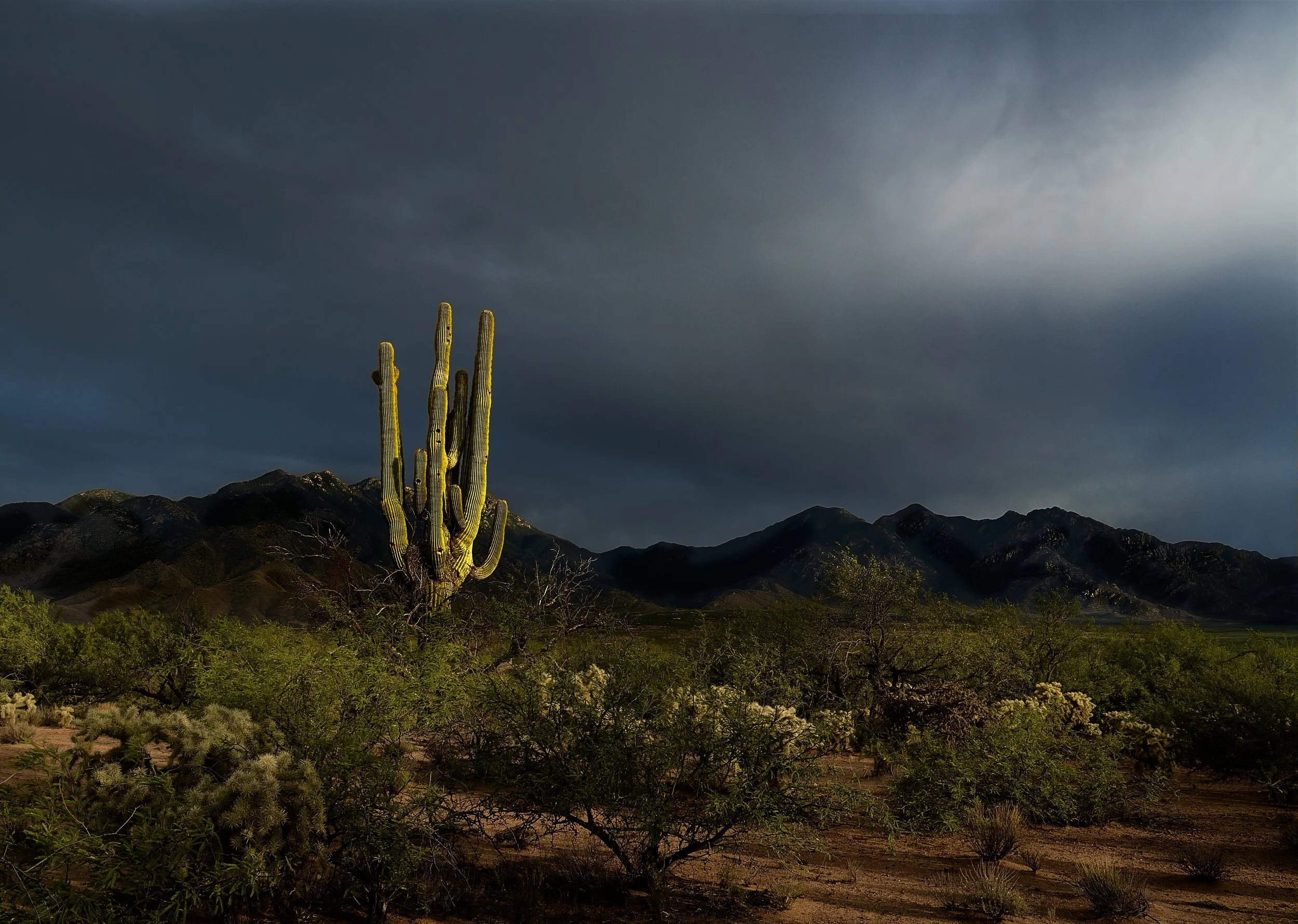
I left for Madera Canyon not knowing quite what to expect. In fact, I had first heard of Madera Canyon only a few weeks before my trip.
What I did know was that more than 250 species of birds and fifteen species of hummingbirds either call this remarkable canyon home or pass through during their annual migrations.
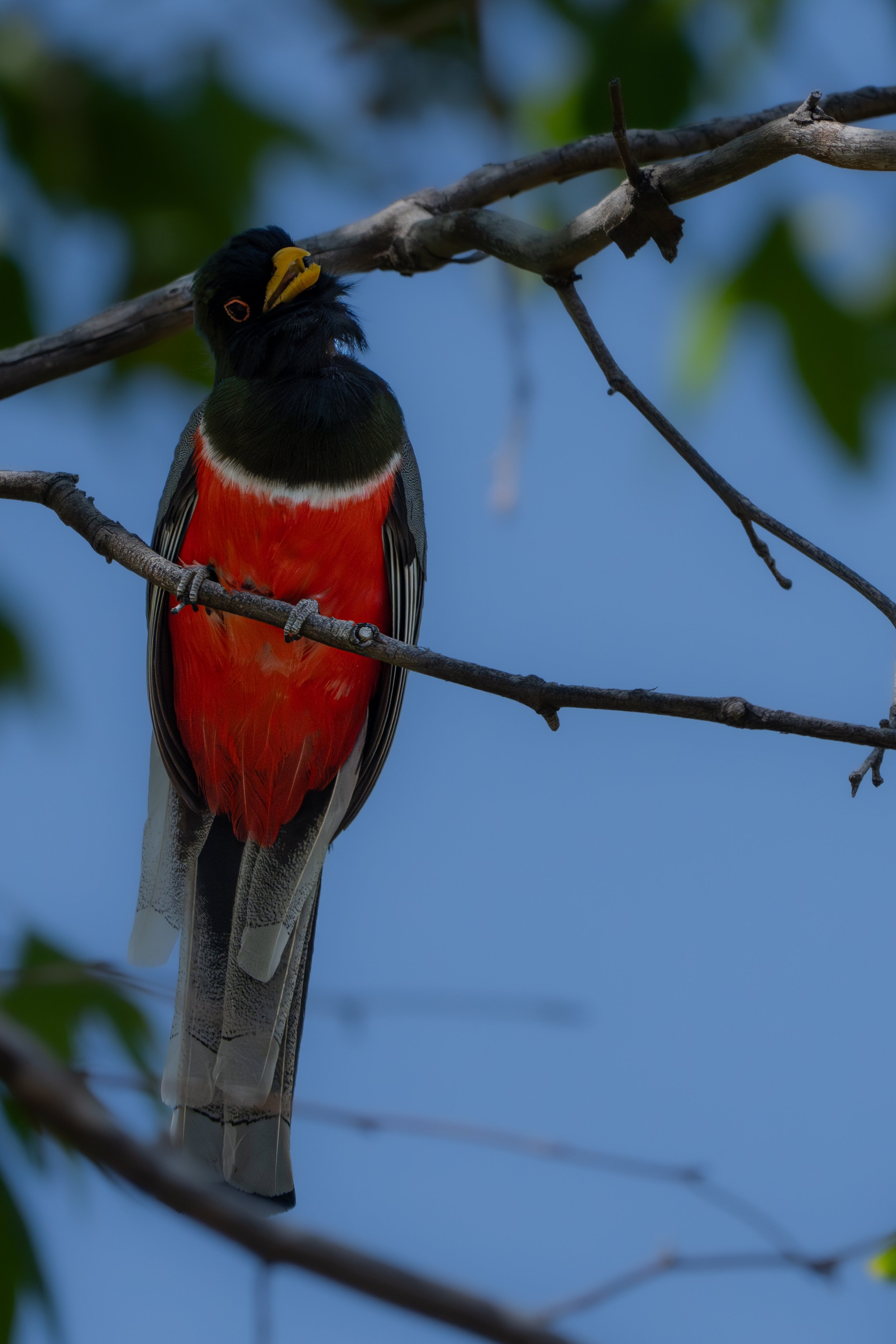
What I didn't know was that over the next seven days I would find myself photographing hummingbirds measured in inches, searching for trogons hidden in mountain canyons, and discovering a side of Arizona I never knew existed.
This trip was an adventure: a solo journey to an unfamiliar destination, with eight days to explore new terrain, meet new people, and step outside my comfort zone both physically and emotionally.
From my research, I expected a landscape defined by contrasts—a dry desert environment rising into rugged mountains and spanning multiple ecological zones. I wasn't disappointed.
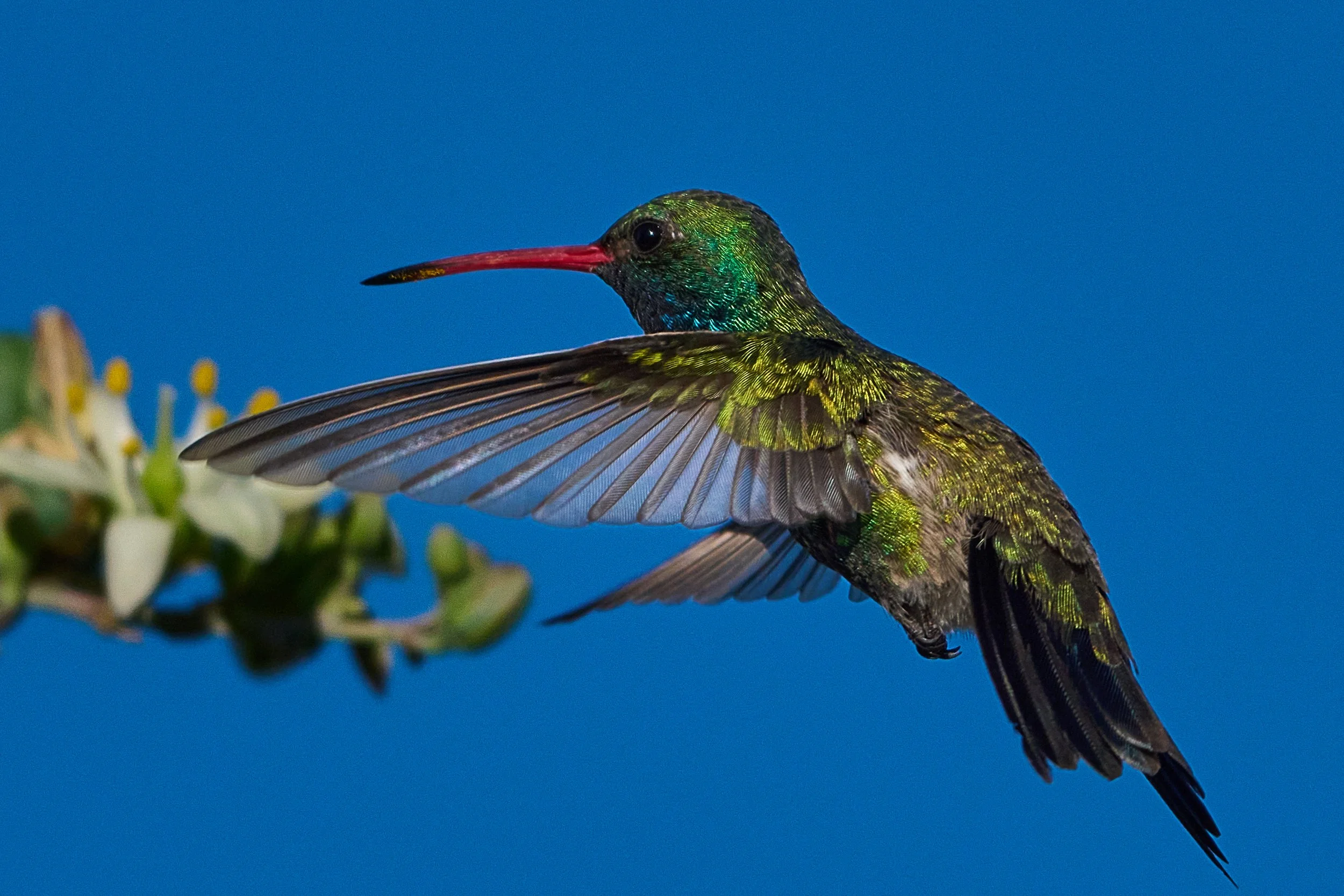
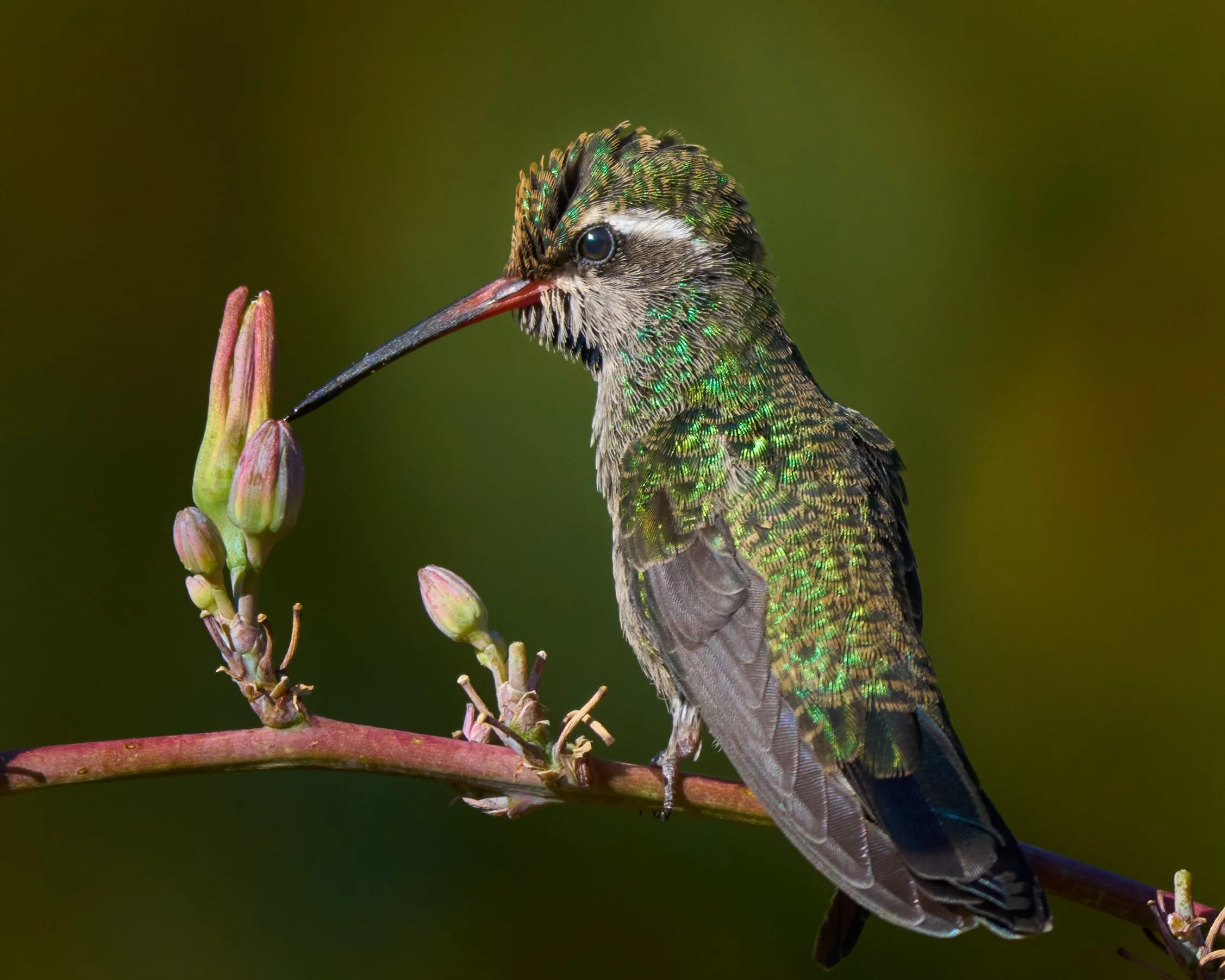
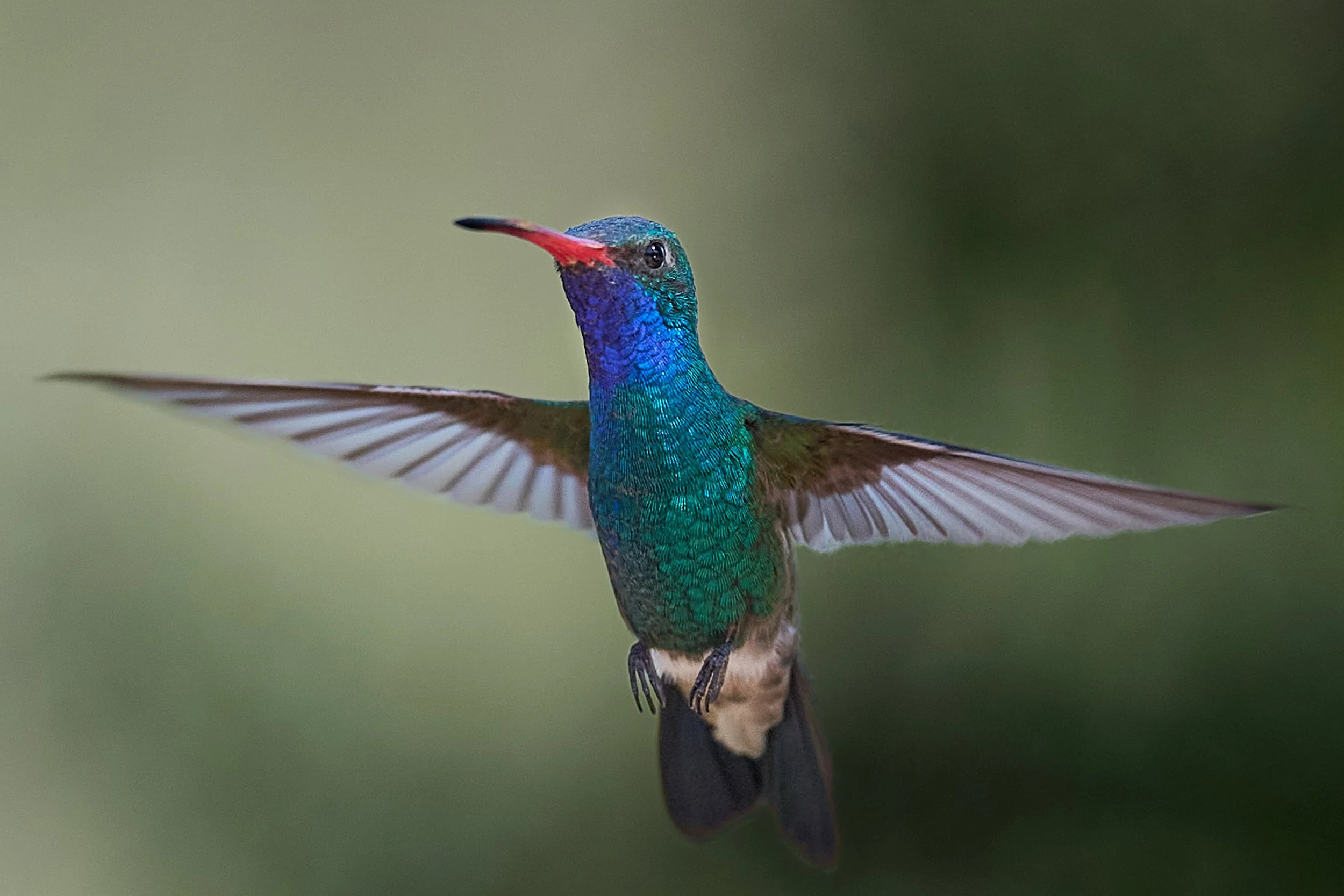
What did surprise me were the hummingbirds. They seemed to be everywhere. In the desert. In the canyons. High in the mountains. Wherever I went, hummingbirds were present.
At feeders, the activity was nonstop, like Grand Central Station with birds arriving and departing every few seconds. Away from the feeders, they were just as fascinating. Tiny flashes of color would suddenly appear among the trees, hovering briefly before darting away in search of insects or nectar. Before long, I found myself looking for hummingbirds almost everywhere I went.
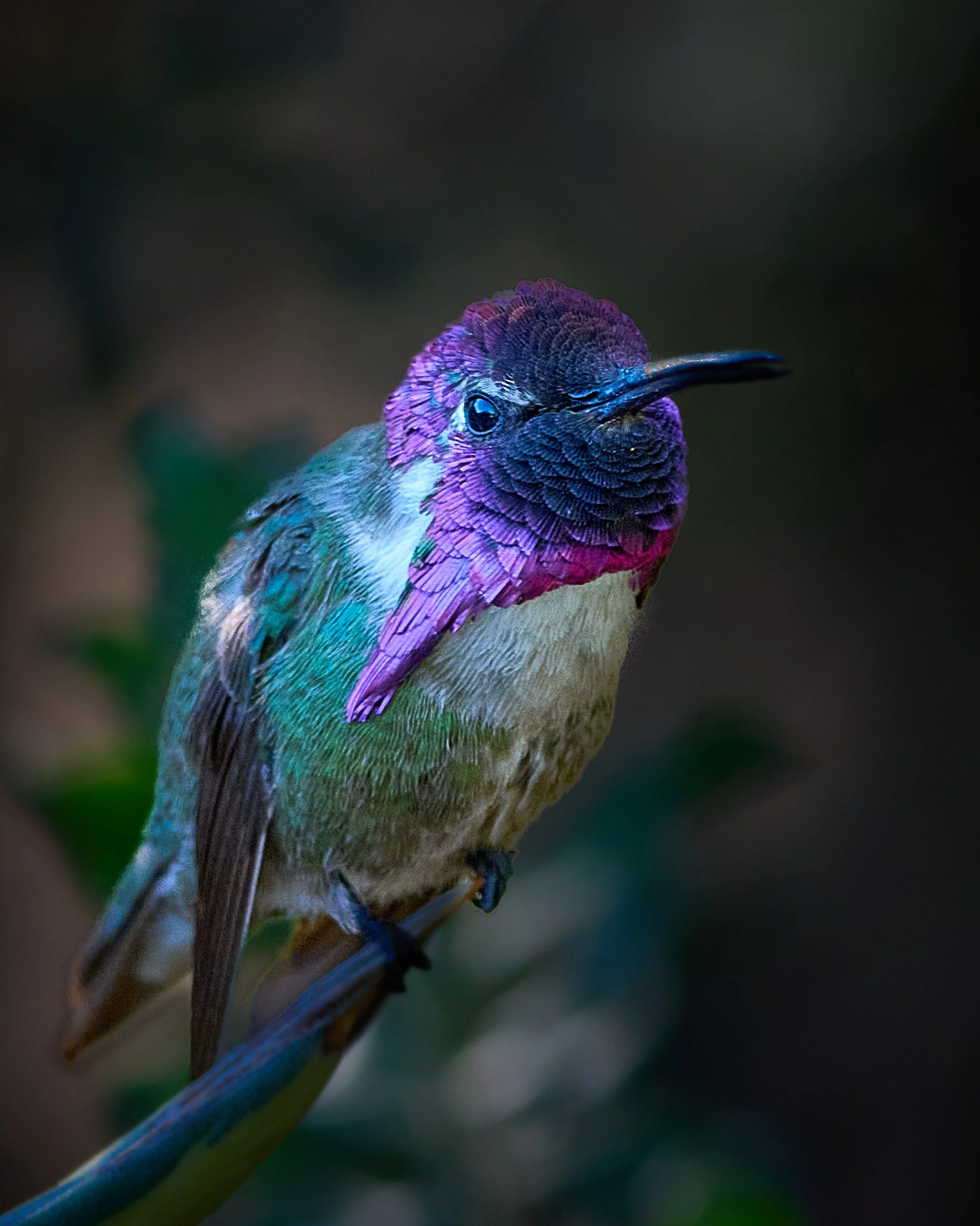
To make the most of my limited time in Arizona, I hired local birding guide Ezekiel Dobson. His knowledge of the region proved invaluable. Over the course of several days, he introduced me to a remarkable variety of habitats, from the desert floor surrounding Green Valley to the higher elevations of the Santa Catalina Mountains near Mount Lemmon, nearly 9,500 feet above sea level.
Each change in elevation brought new landscapes, different temperatures, and an entirely different cast of birds. Species common in the desert disappeared as we climbed into oak woodlands and pine forests, replaced by birds uniquely adapted to those environments.
What might have taken me weeks or months to discover on my own, Zeke helped me experience in just a few unforgettable days.
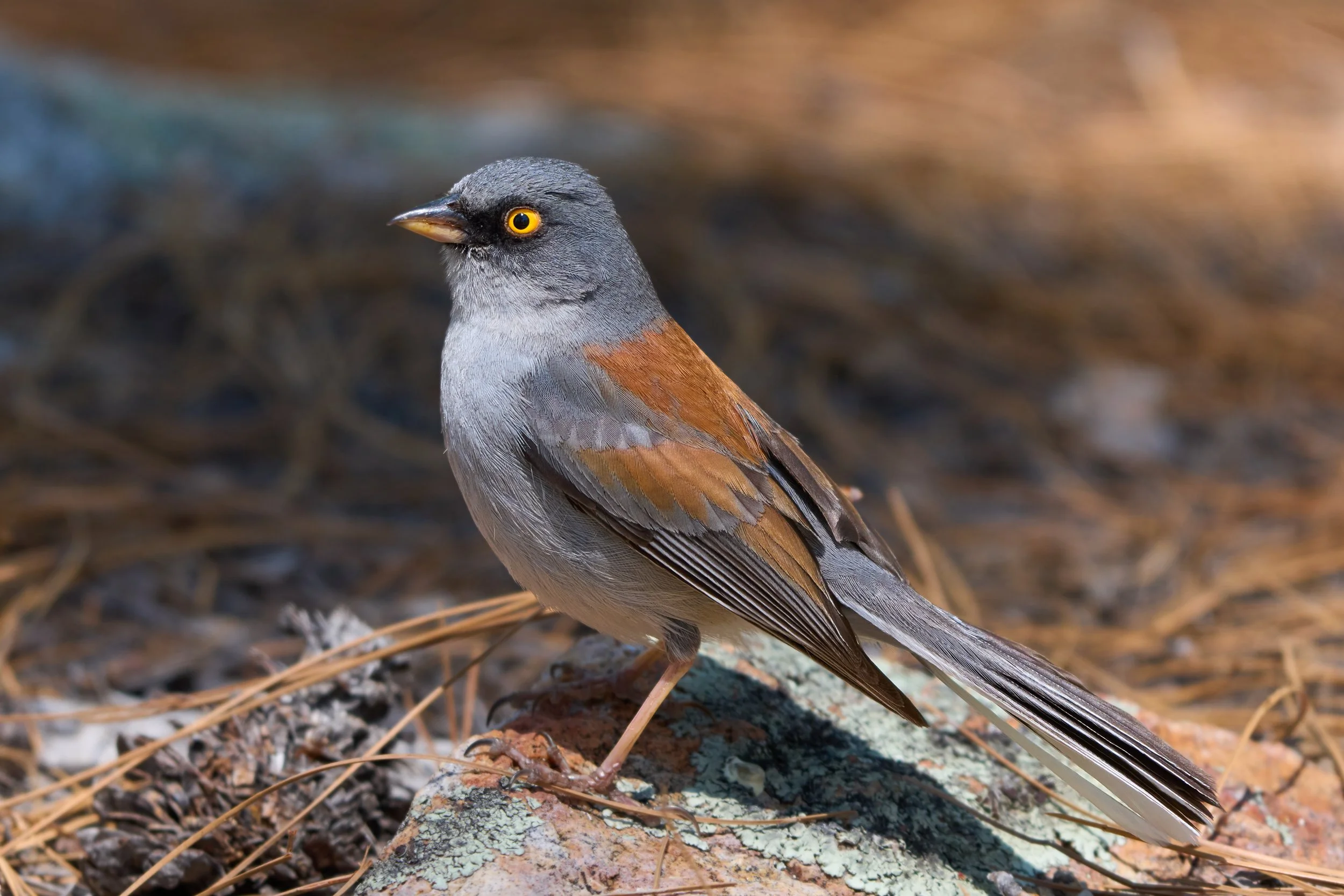
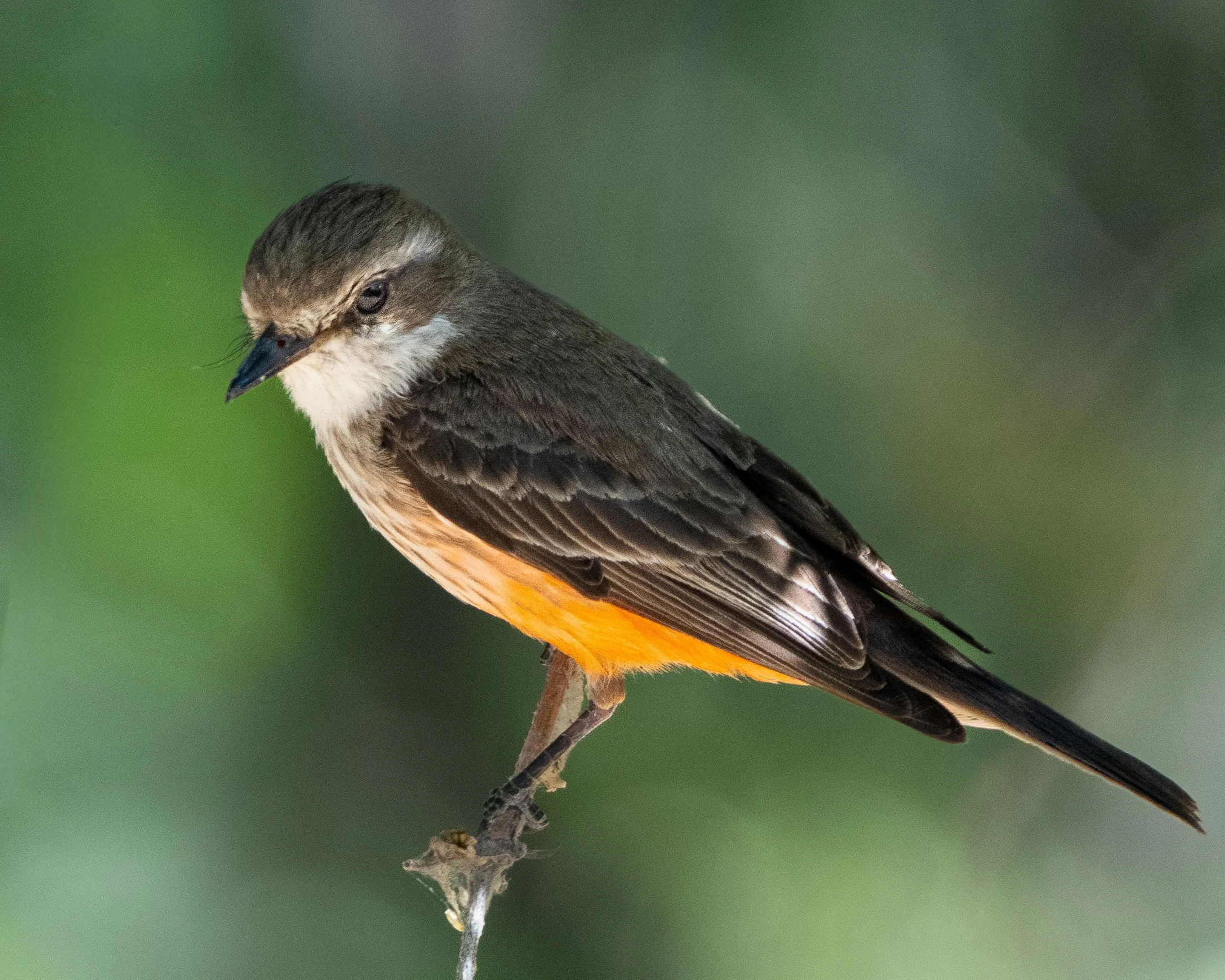
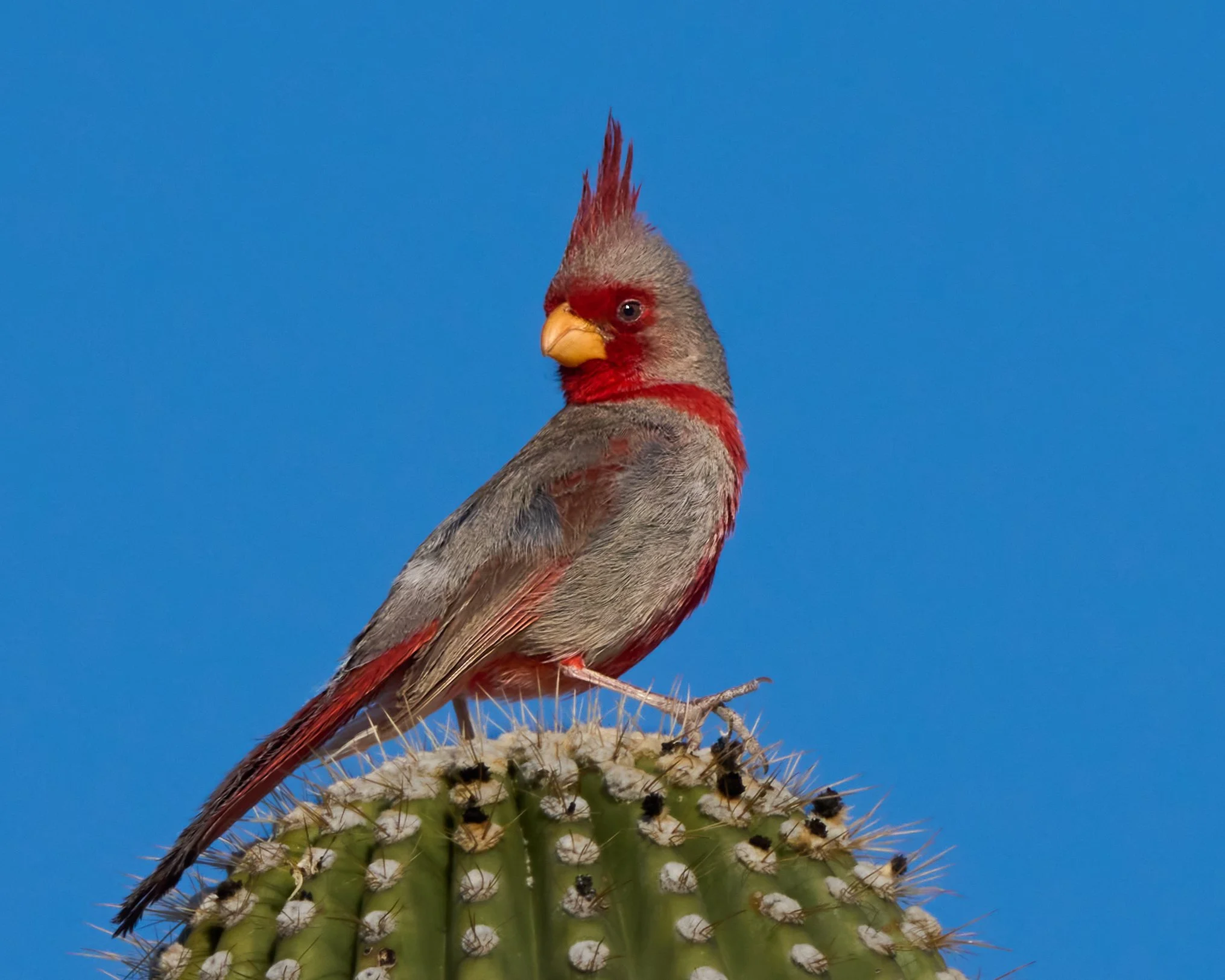
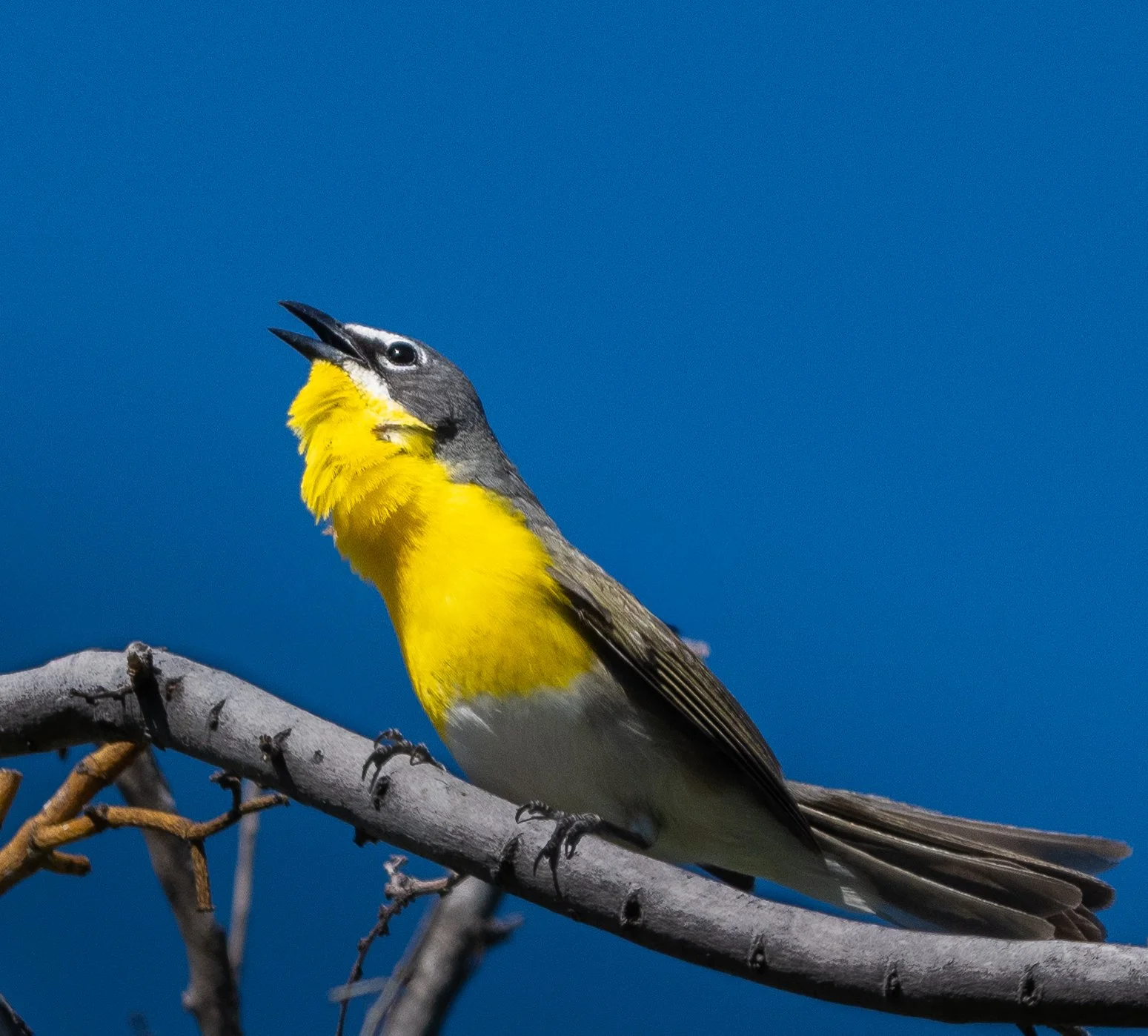
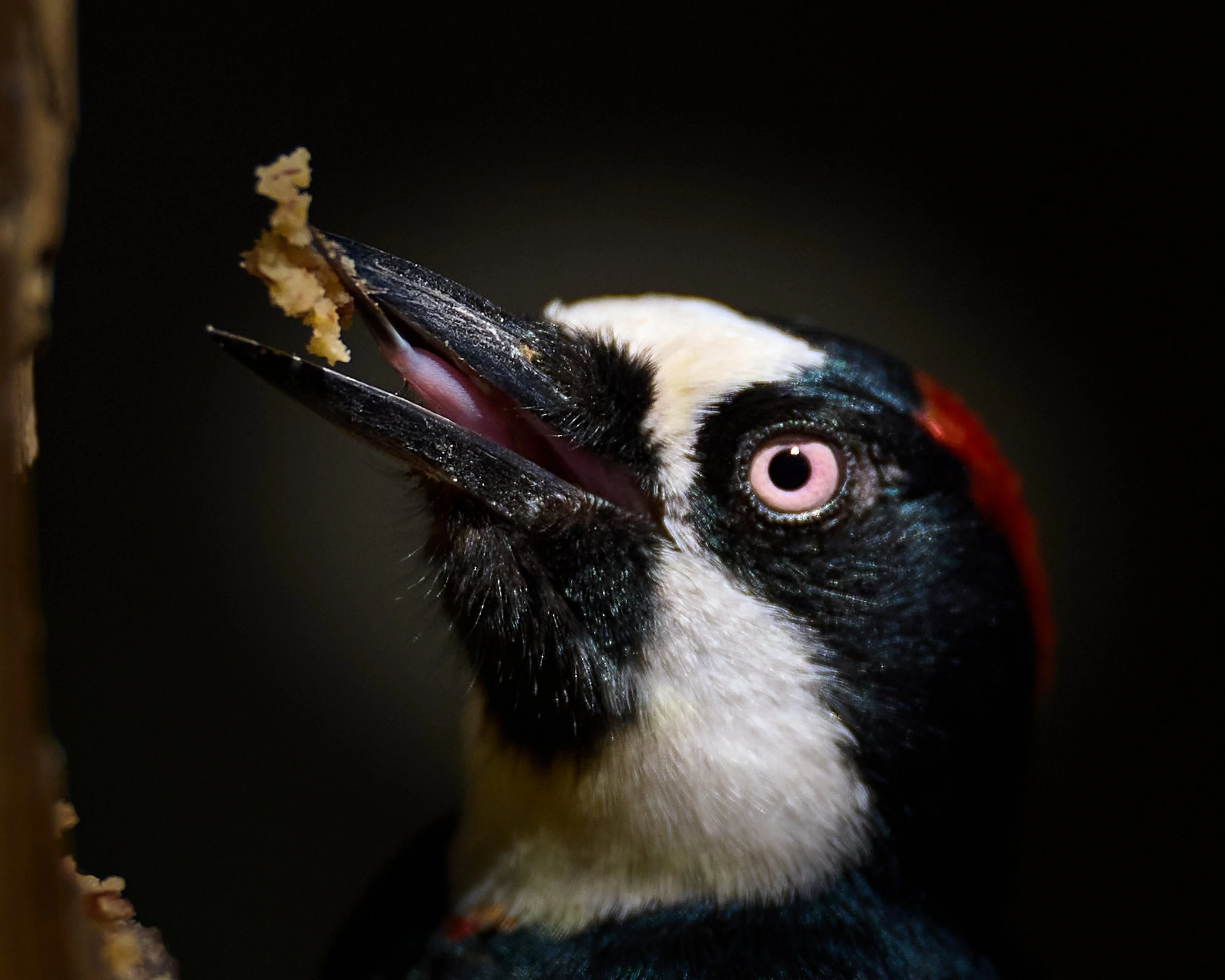
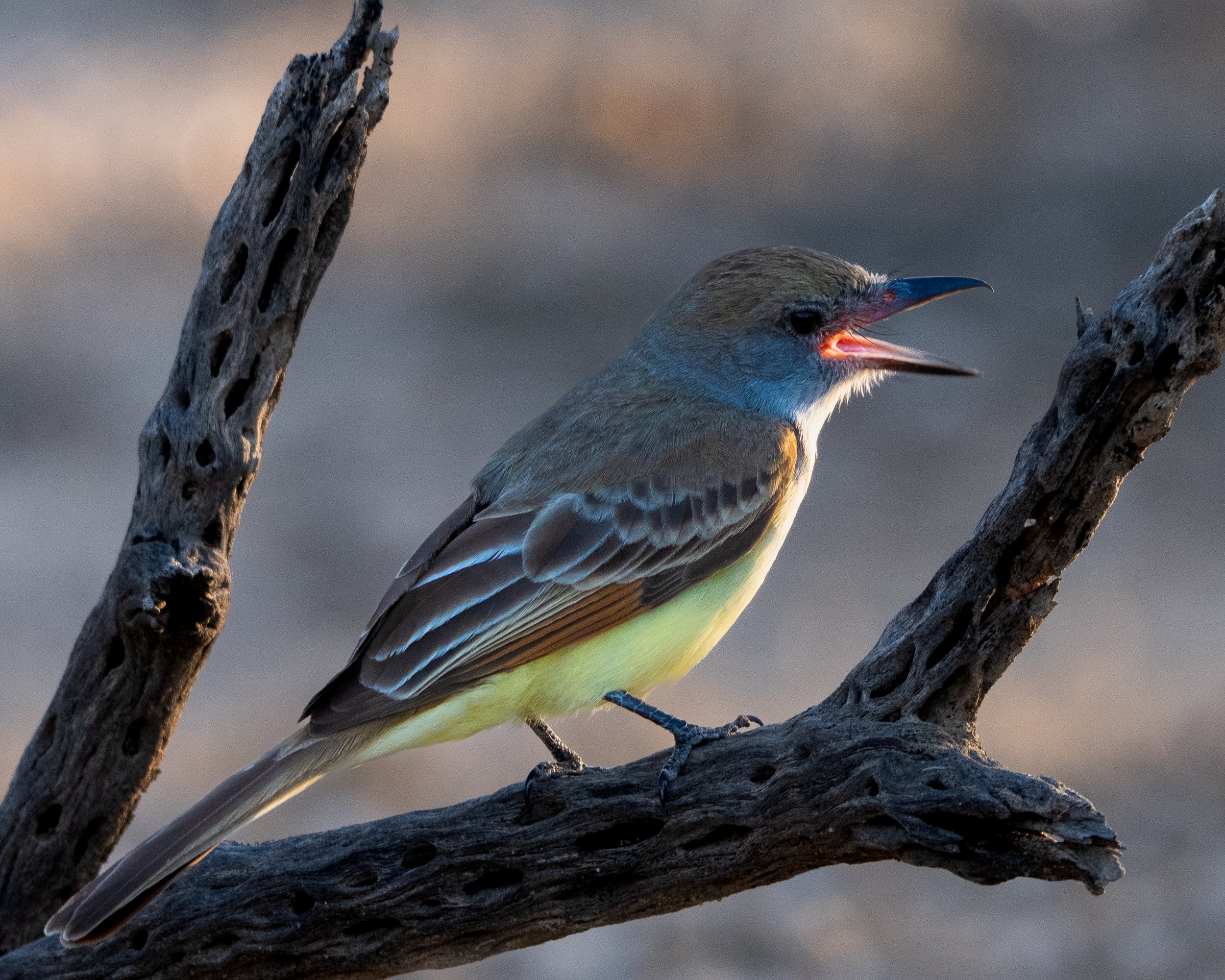
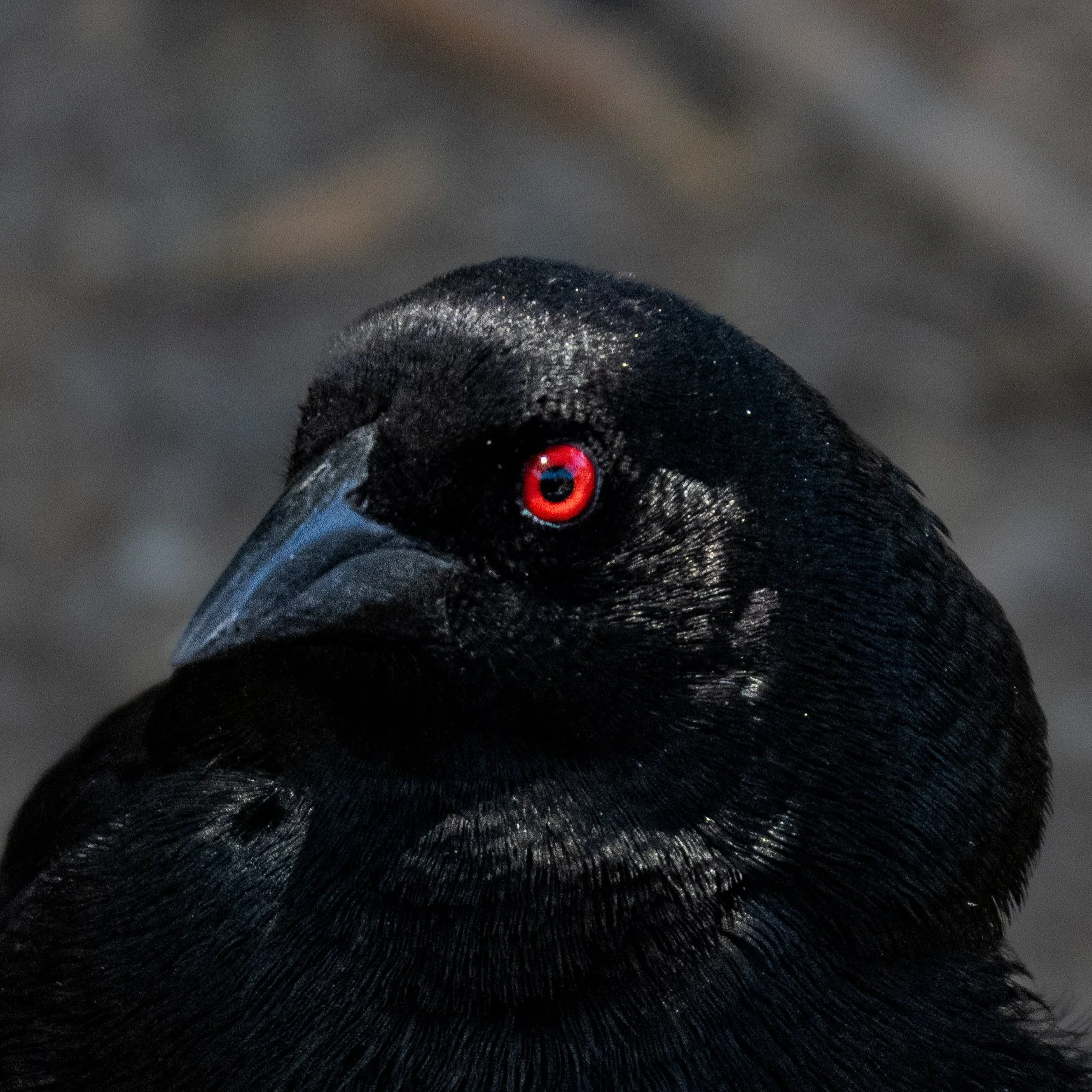
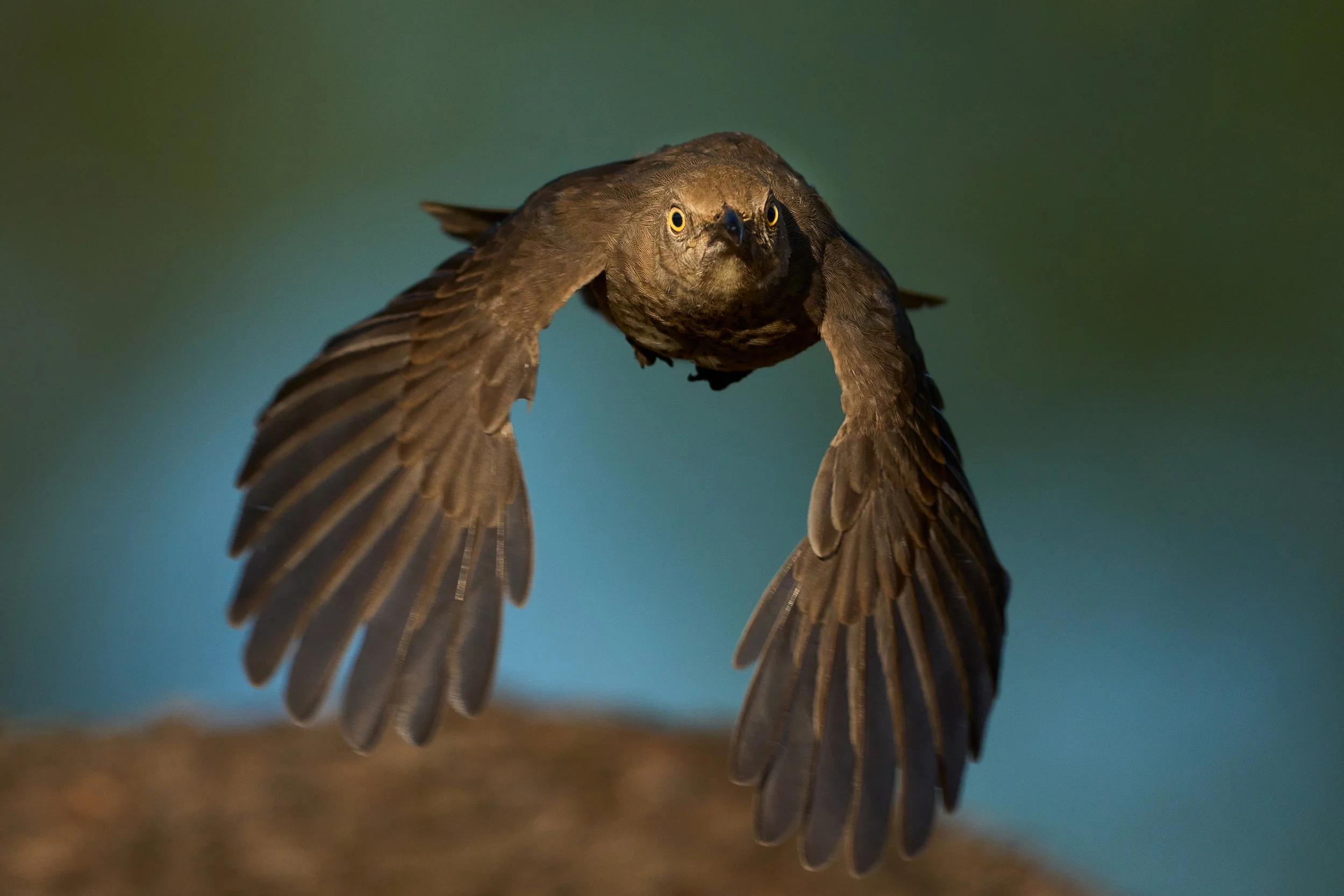
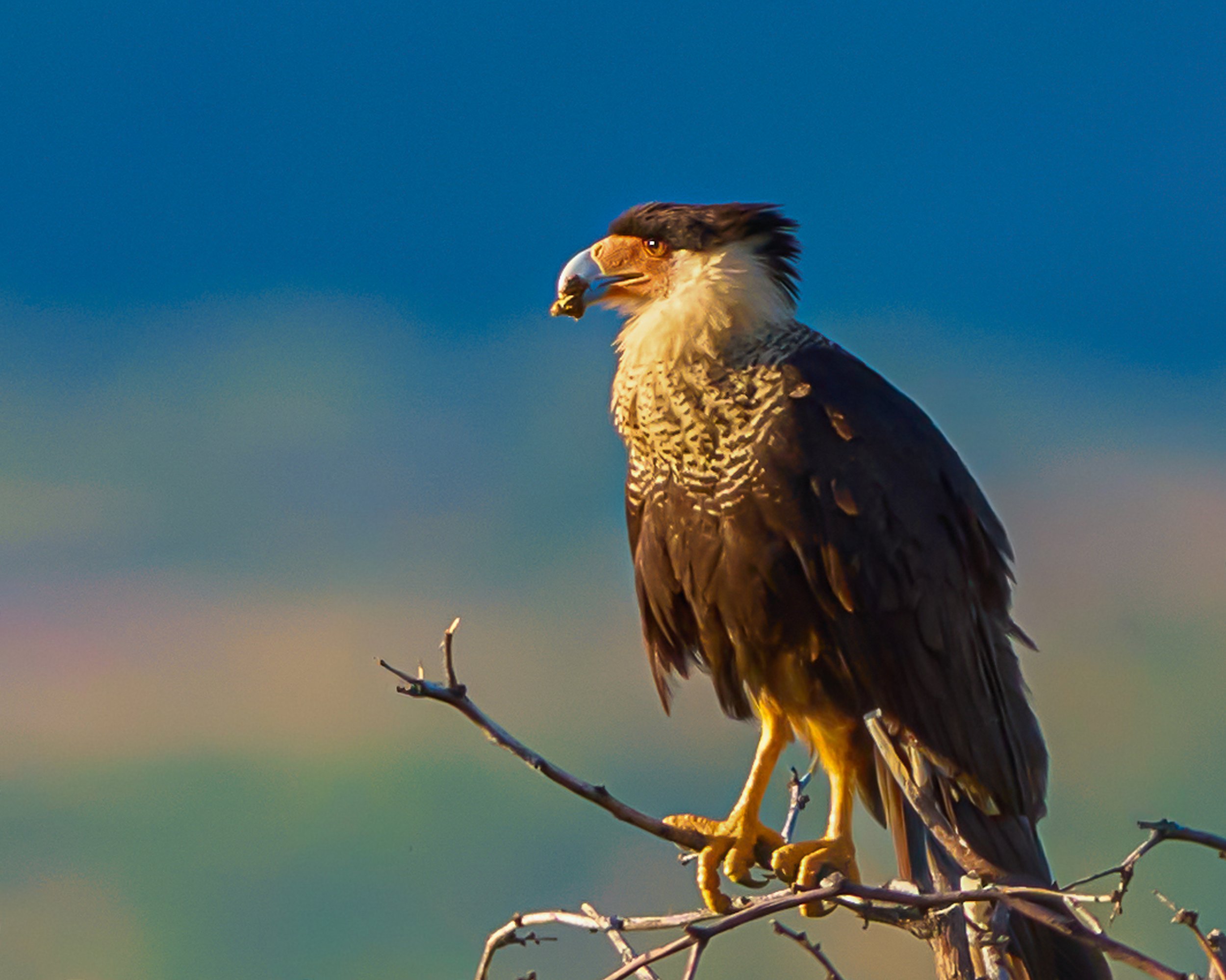
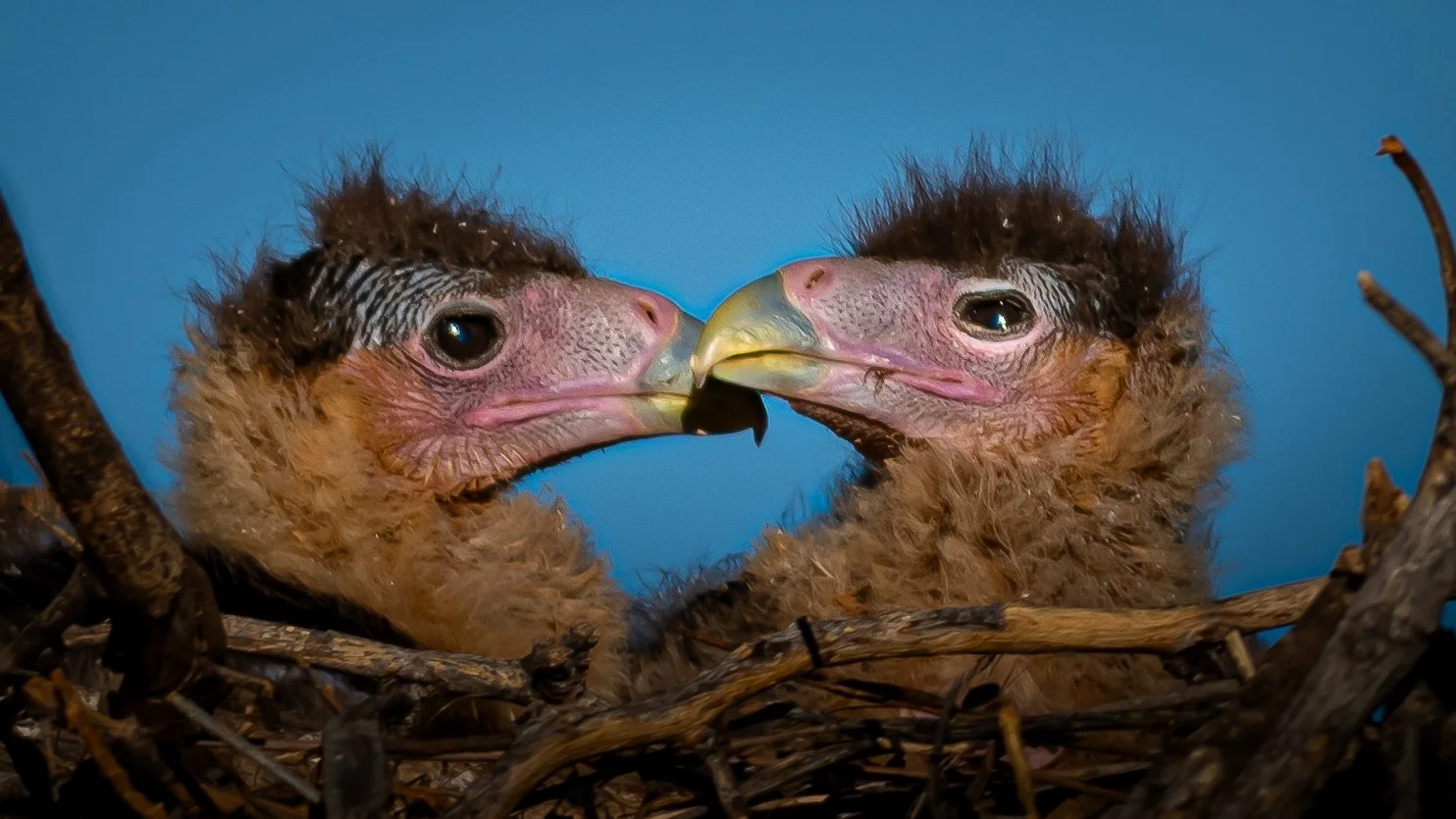
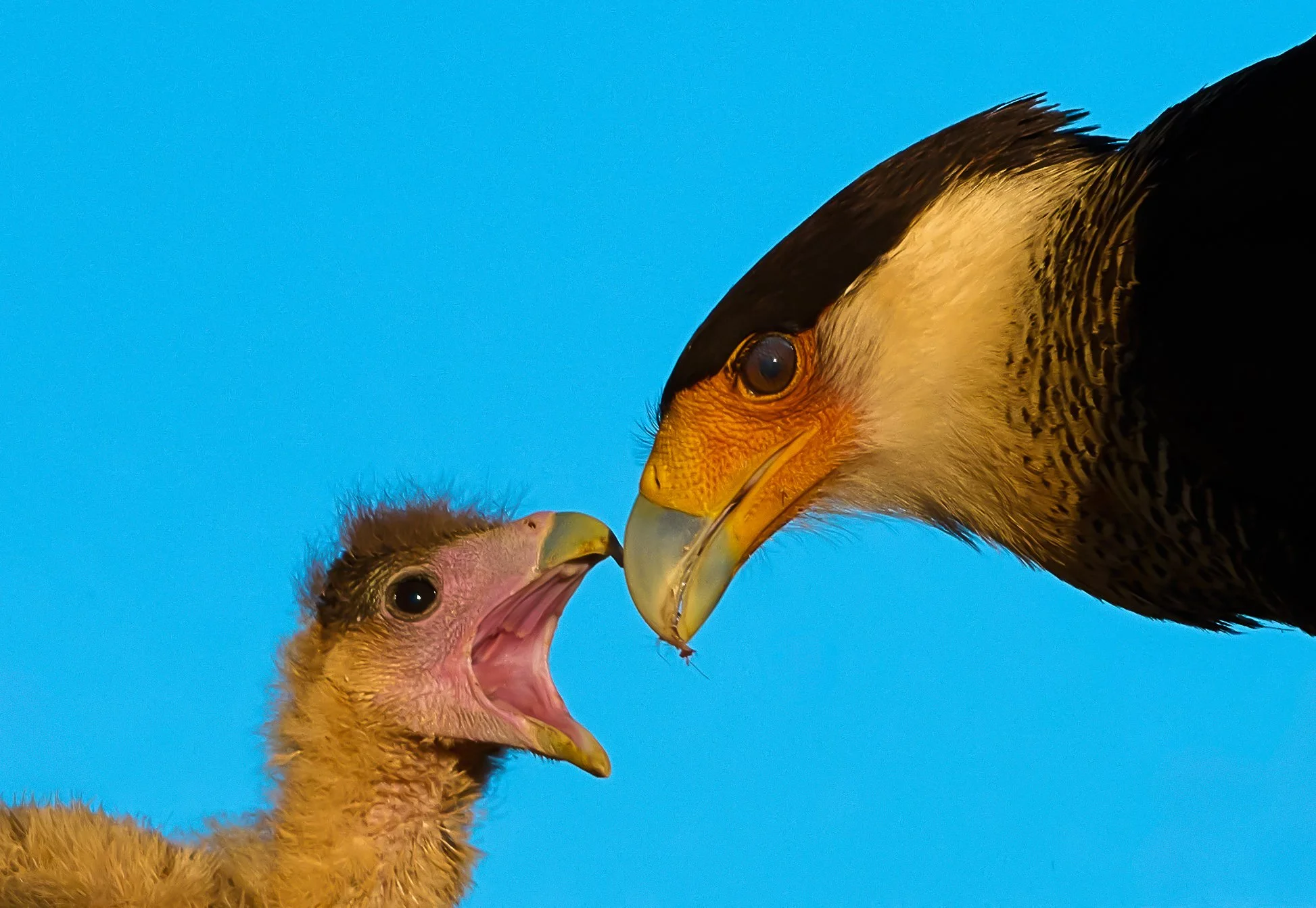
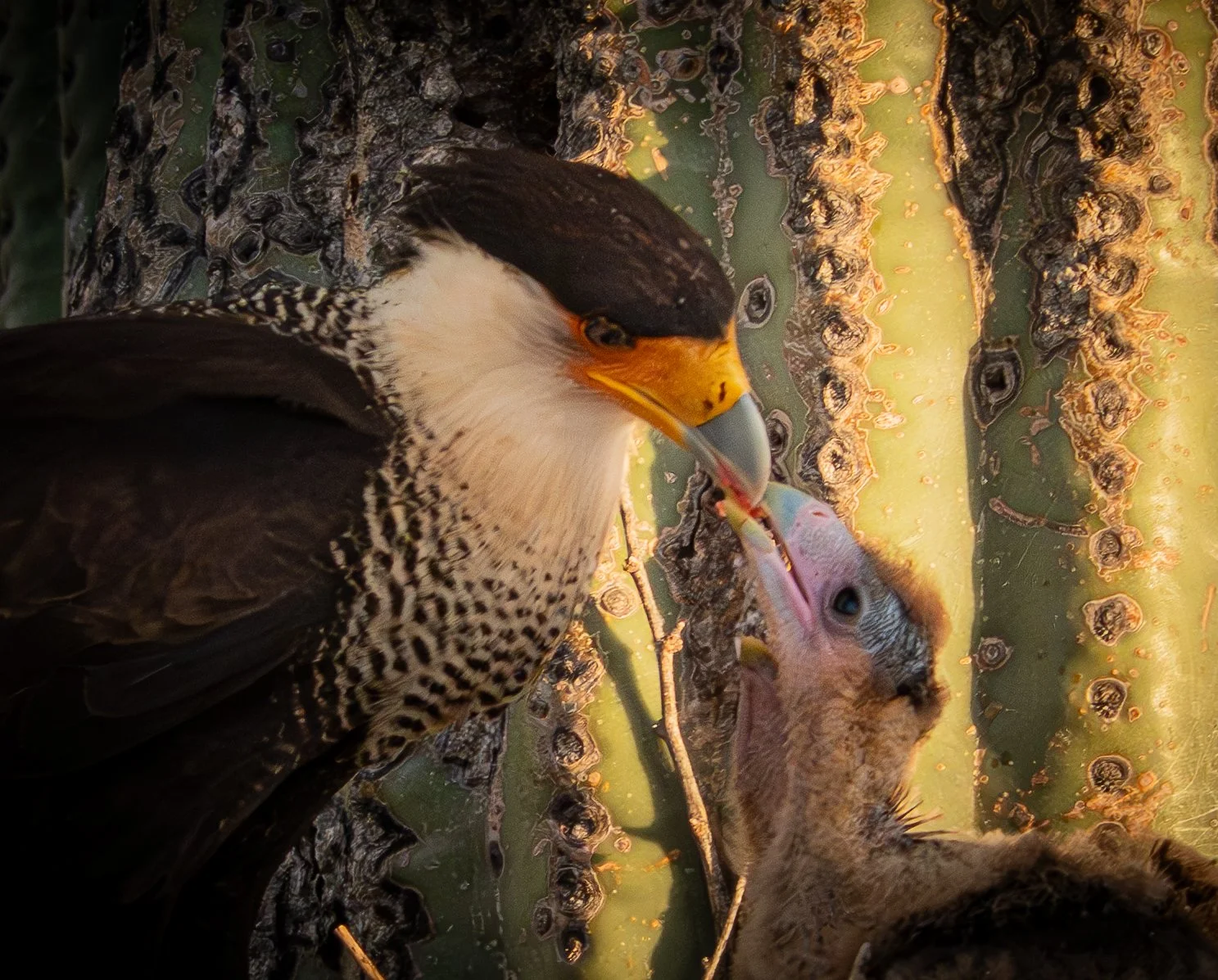
Of all the birds I photographed during the trip, one encounter stands out in my memory. Early one morning, Zeke led me to an active Crested Caracara nest.
Perched high above the desert, the young birds watched our every move while one of the adults occasionally returned with food. It was a brief encounter, but one that perfectly captured what made this trip so special: being in the right place at the right time, guided by someone who understood the rhythms of the landscape.