Amid the layered history and celebrated beauty of Charleston, South Carolina, there exists a quiet, unassuming place known to only a small fraction of those who visit. It lies beyond the familiar paths—past carriage rides, glossy brochures, and the promise of Southern fare. Nothing draws you there except silence.
There are places where time feels measured, and Magnolia Cemetery is one of them.
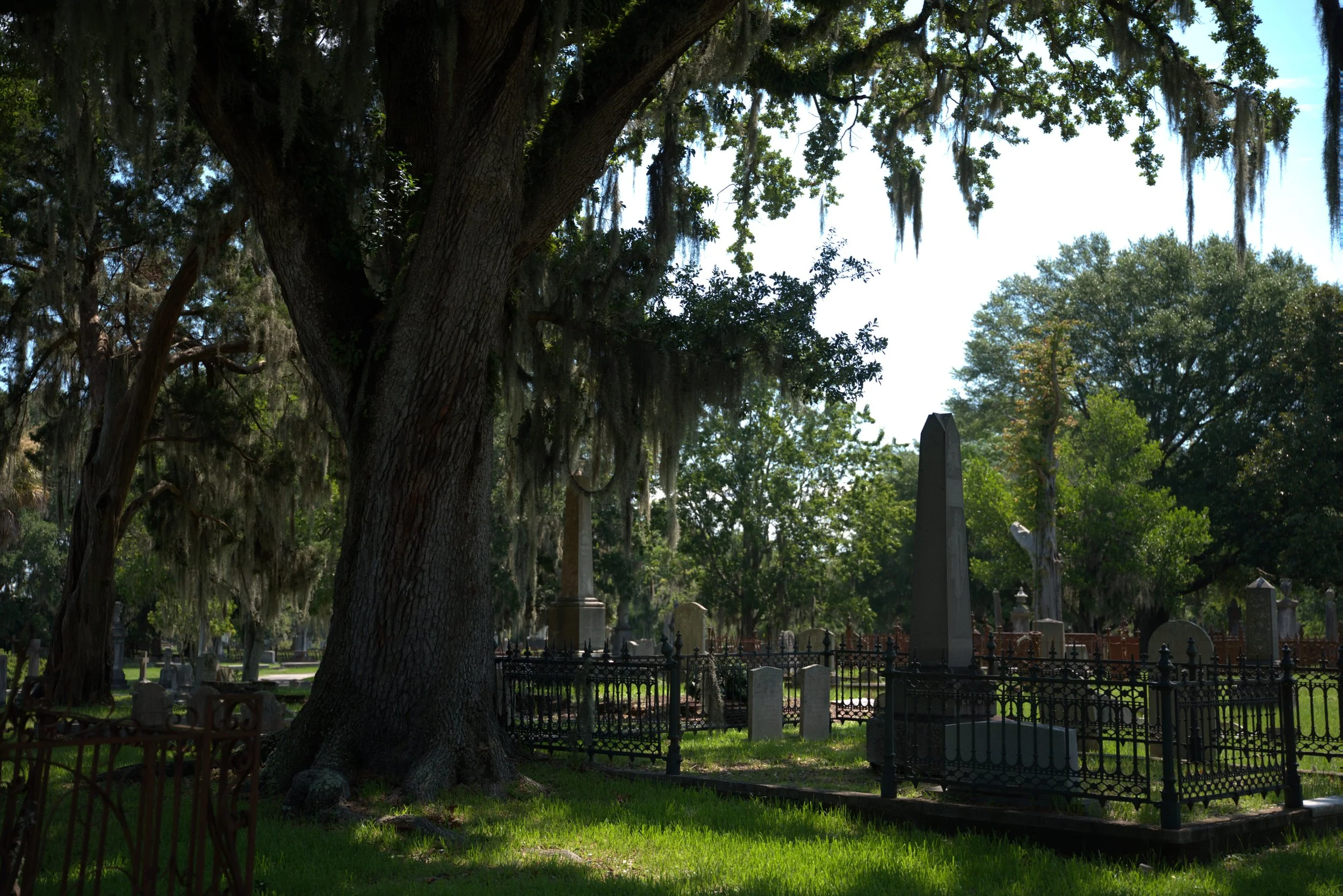
Here, history does not sit behind glass or rest inside museum walls. It breathes. It settles into the earth. It lingers in the moss draped across centuries-old oaks and in the still water that borders the Cooper River.
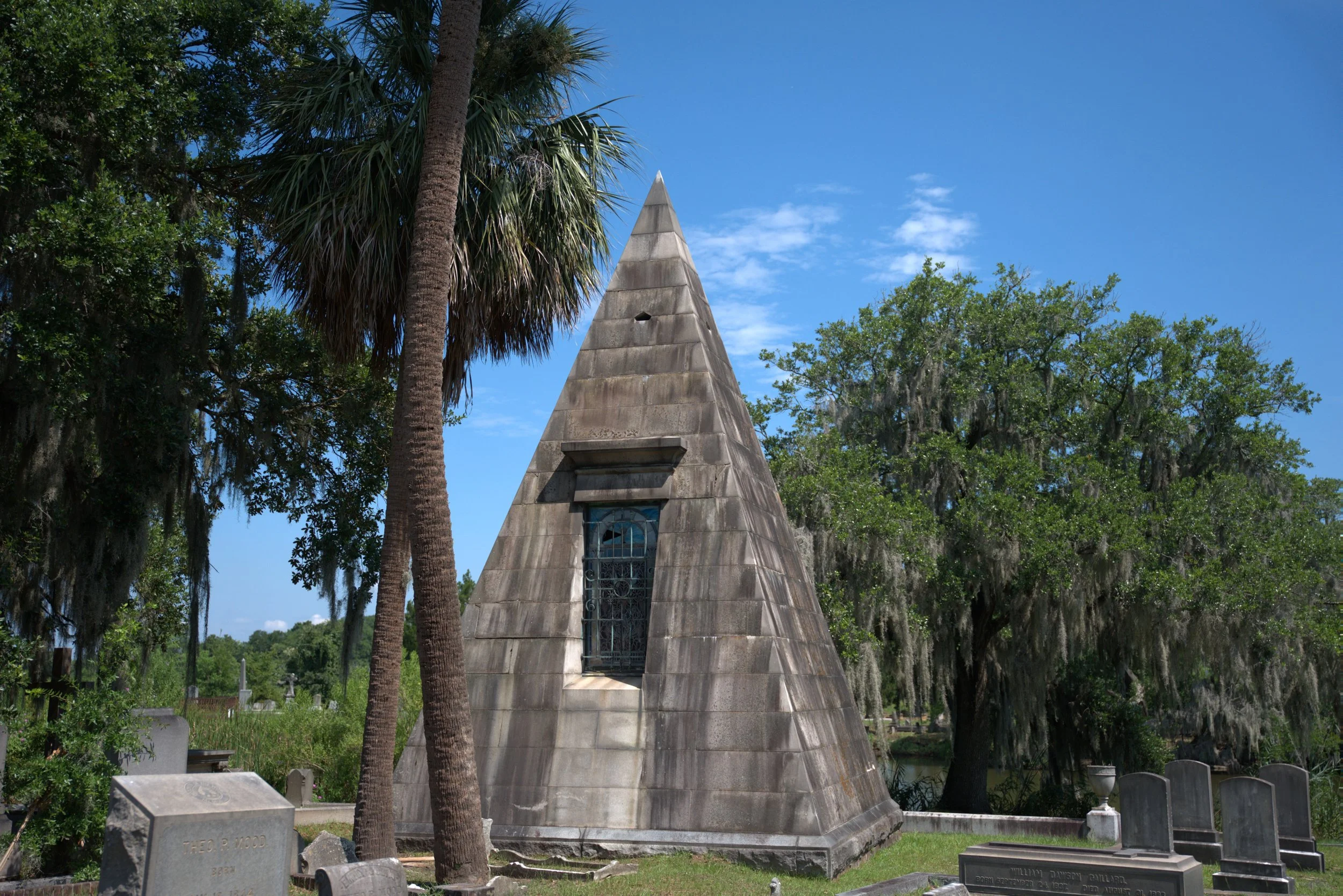
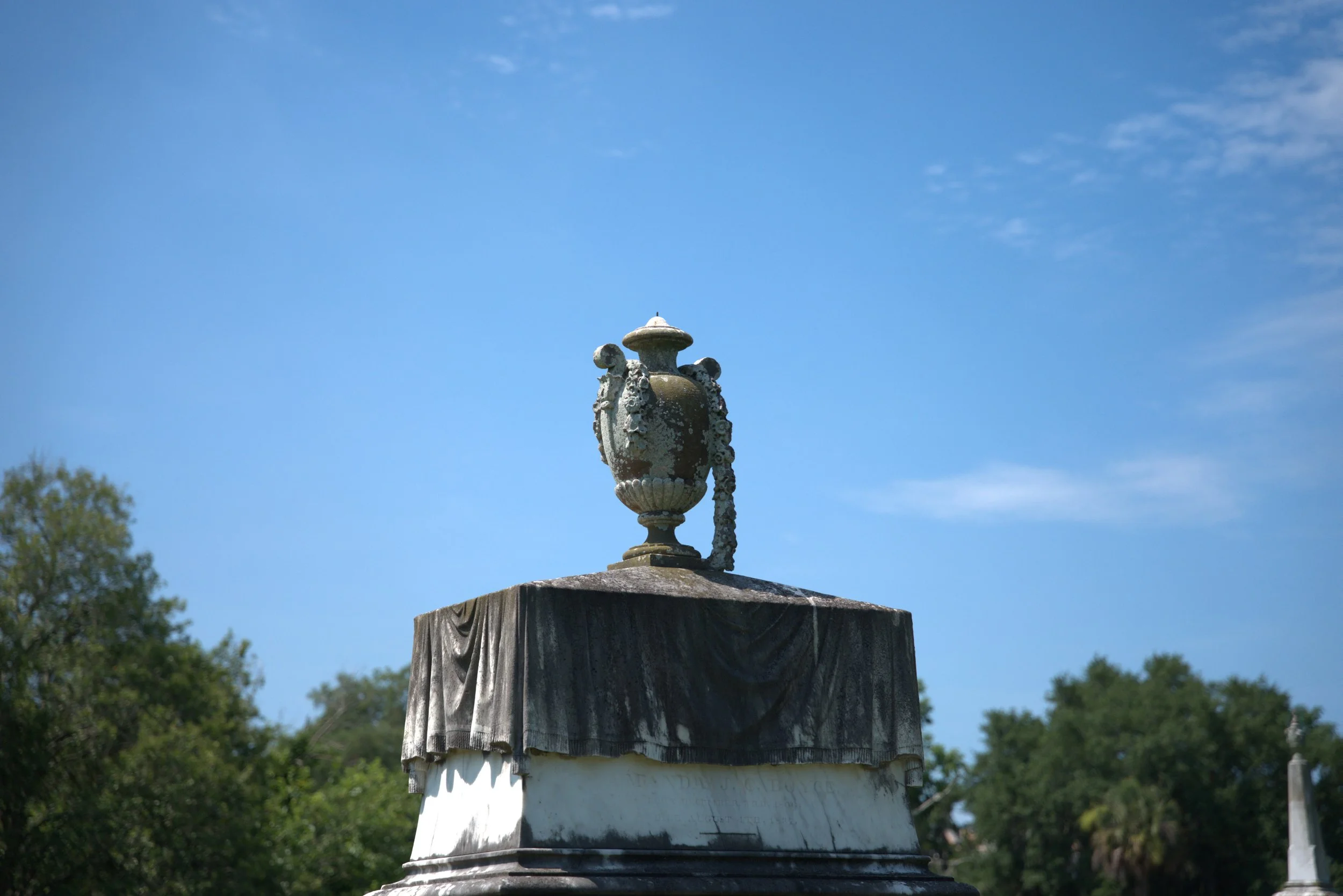
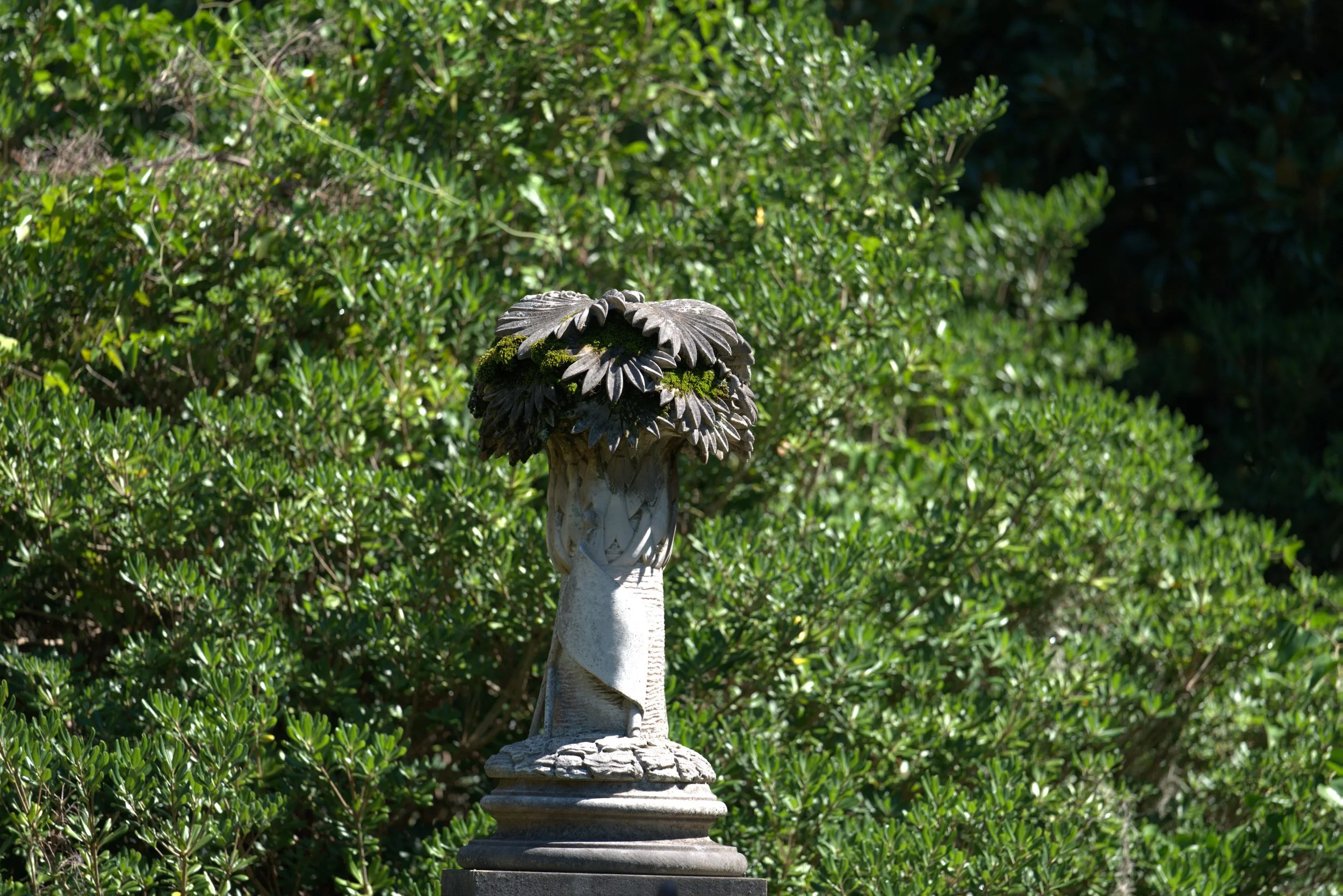
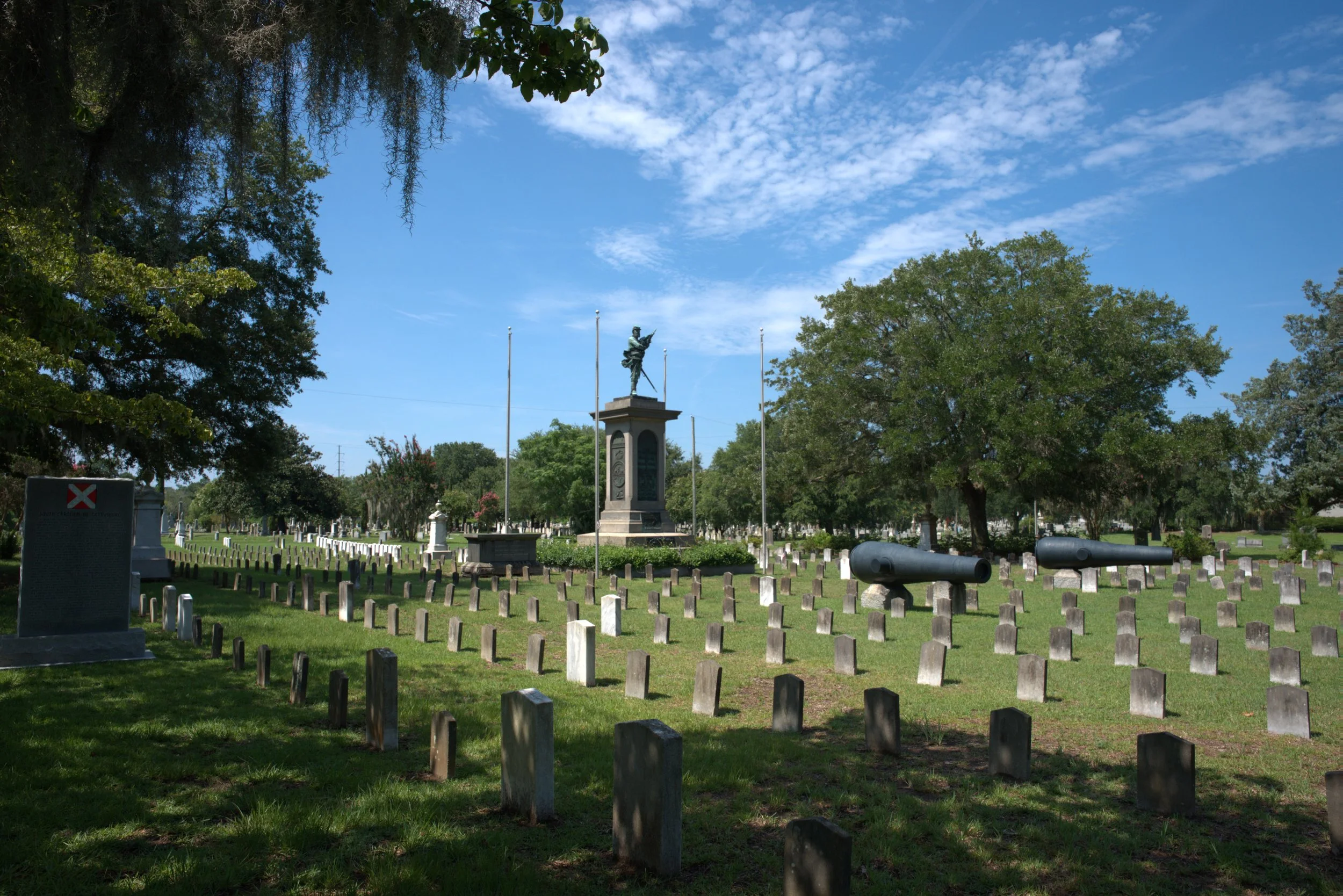
Established in 1850 on the former grounds of the Magnolia Umbra plantation, this 92-acre rural cemetery was created during a time when Americans began reimagining burial grounds — not as stark places of grief, but as landscaped sanctuaries for reflection. It was part of a broader movement that believed beauty belonged even in remembrance. Walking its paths feels less like entering a cemetery and more like stepping into a story that refuses to fade.
What strikes you first is not sorrow.
It is stillness.
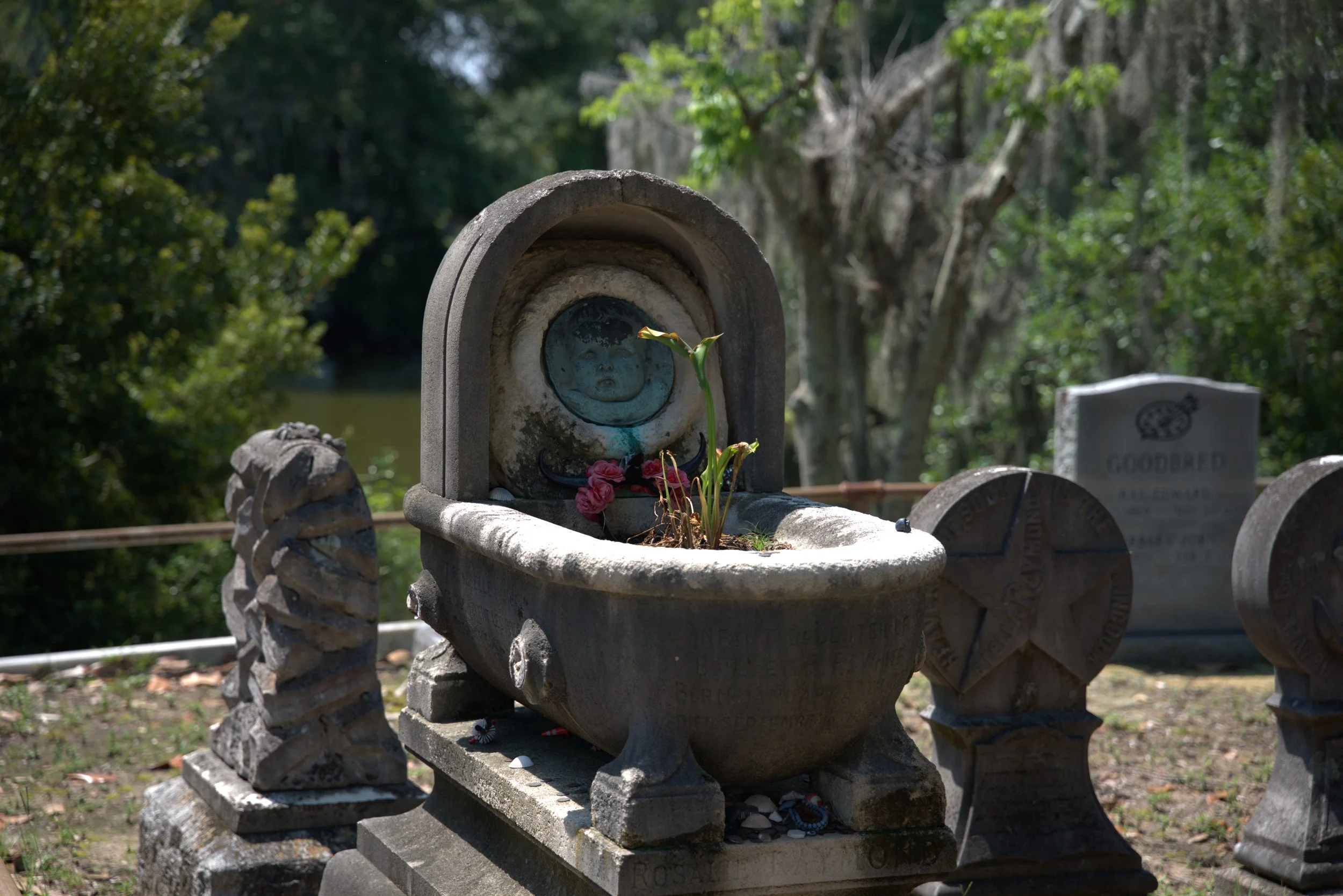
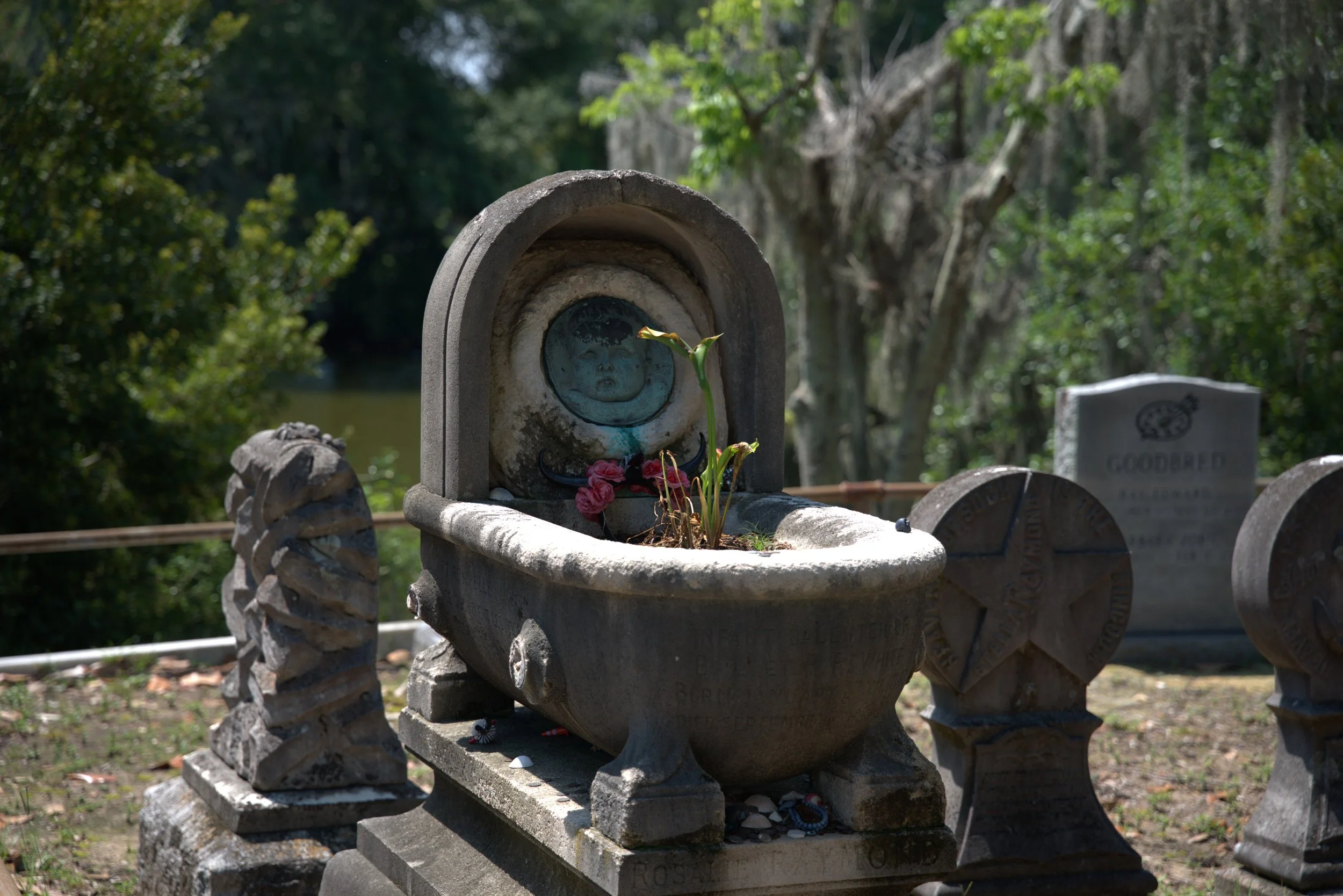
Here, the residents remain—resting beneath canopies of Spanish moss that sway gently overhead. Their headstones speak softly, etched with words of love, devotion, wonder, and loss. Some mark the end of long, full lives. Some mark lives given in service to their country. Others bear witness to stories heartbreakingly brief—measured in days, weeks, months, or too few years.
Together, they form a quiet chorus of human experience, whispered rather than proclaimed.
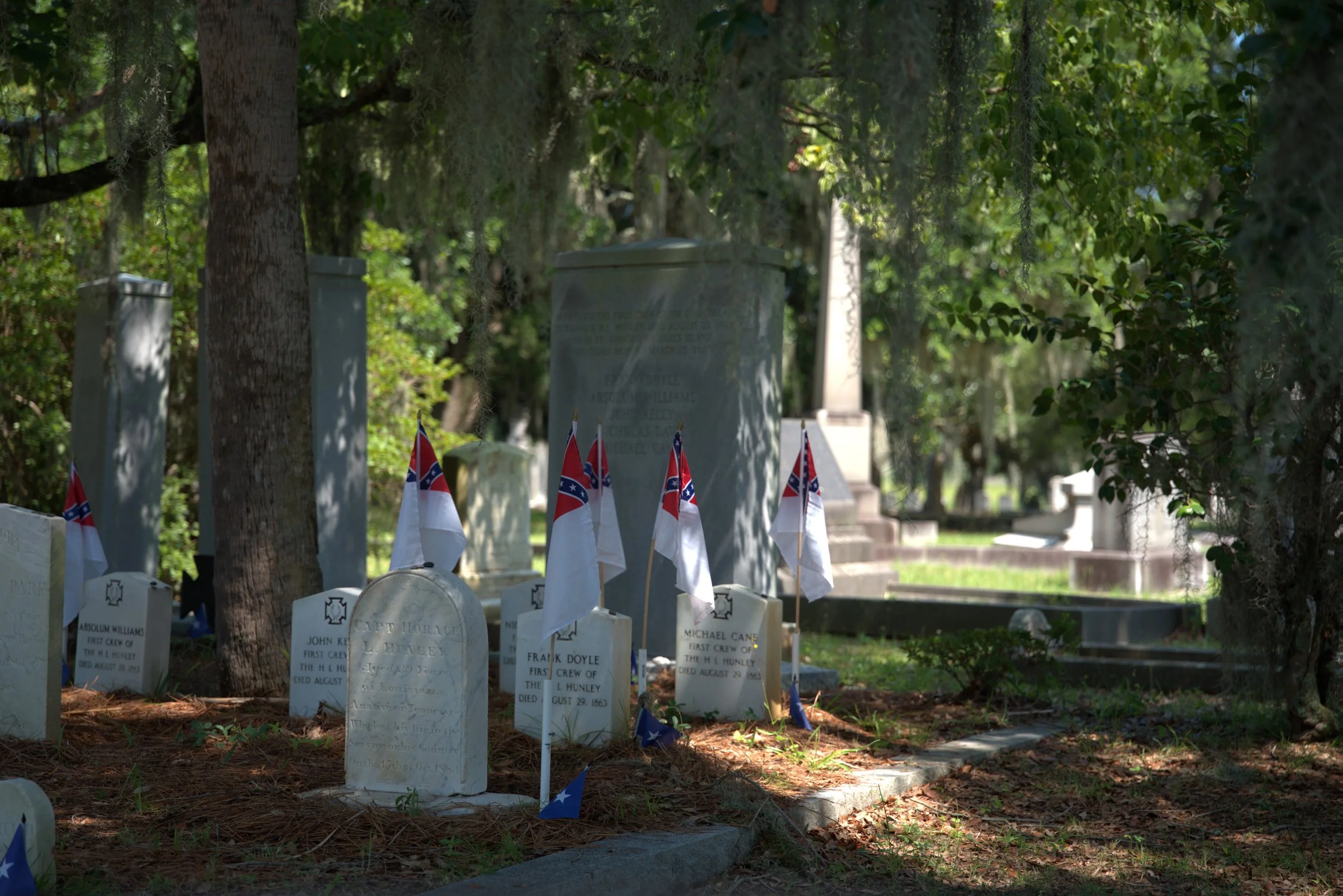
Civil War generals rest here. Governors. Ship captains. Doctors. Families who shaped Charleston’s identity. The crew of the Confederate submarine H.L. Hunley lie beneath carved stone. Yet beyond the notable names are the simpler markers — children lost too soon, husbands and wives reunited in marble, stones softened by salt air and time.
Magnolia is a place meant for reflection. A place where the noise of the present fades, and you are left to measure your own life against those who once stood where you stand now.
And then, if you linger long enough, you begin to notice something else.
Movement.
Each time I walk through Magnolia, I am moved—not only by its history, but by the vibrant life that fills the trees and air around it. This is not a place of absence. It is a place of presence.
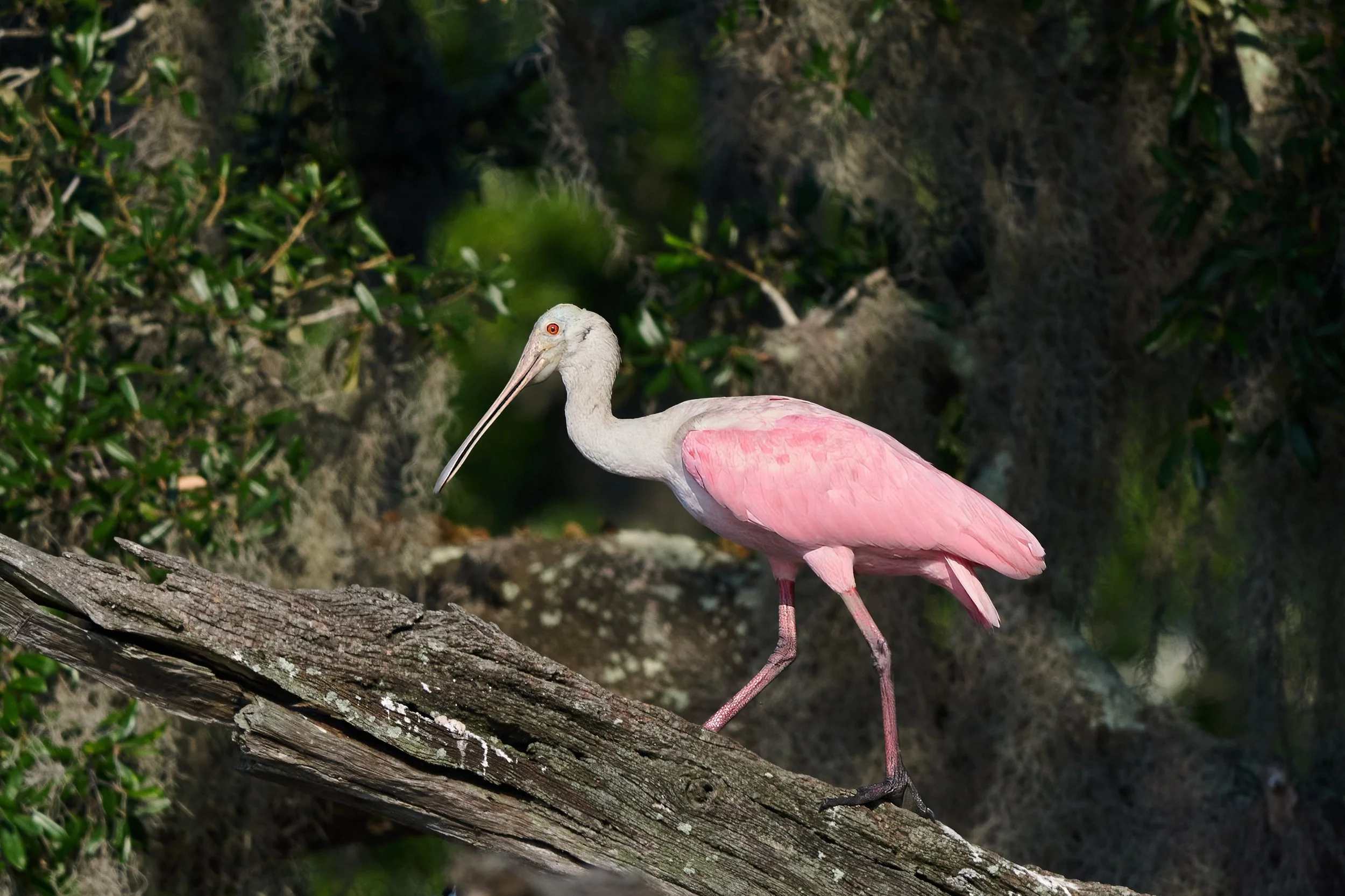
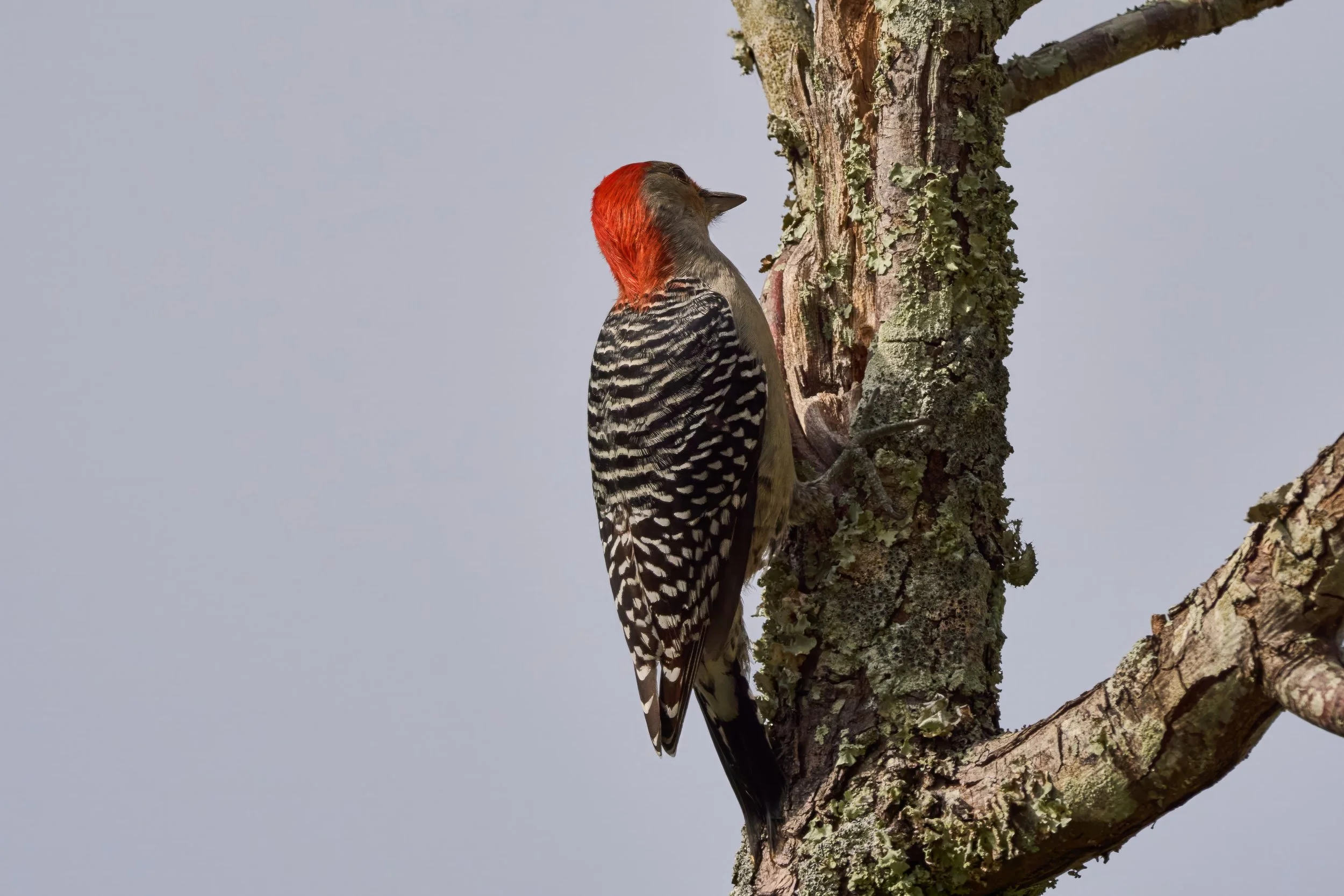
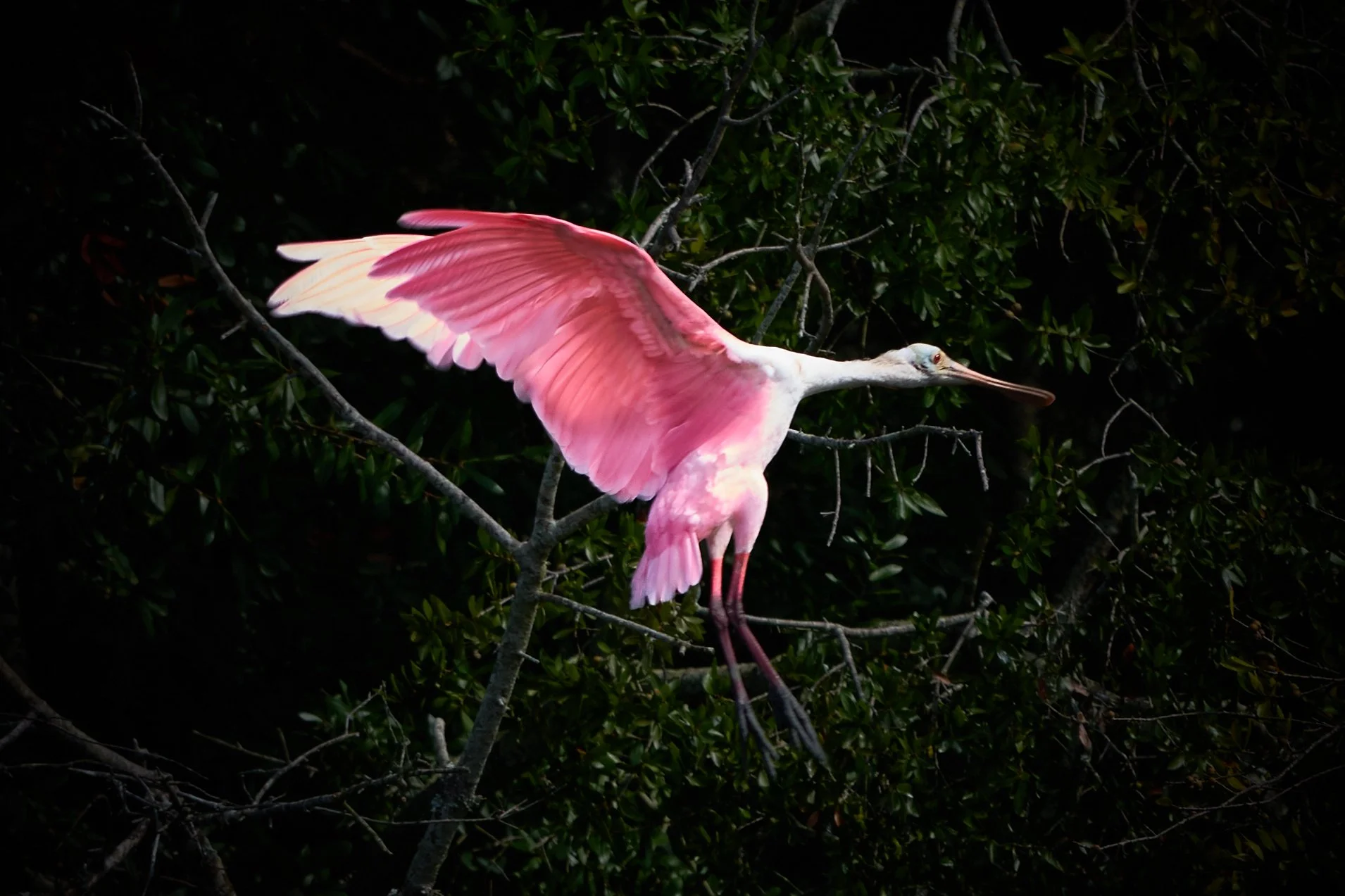
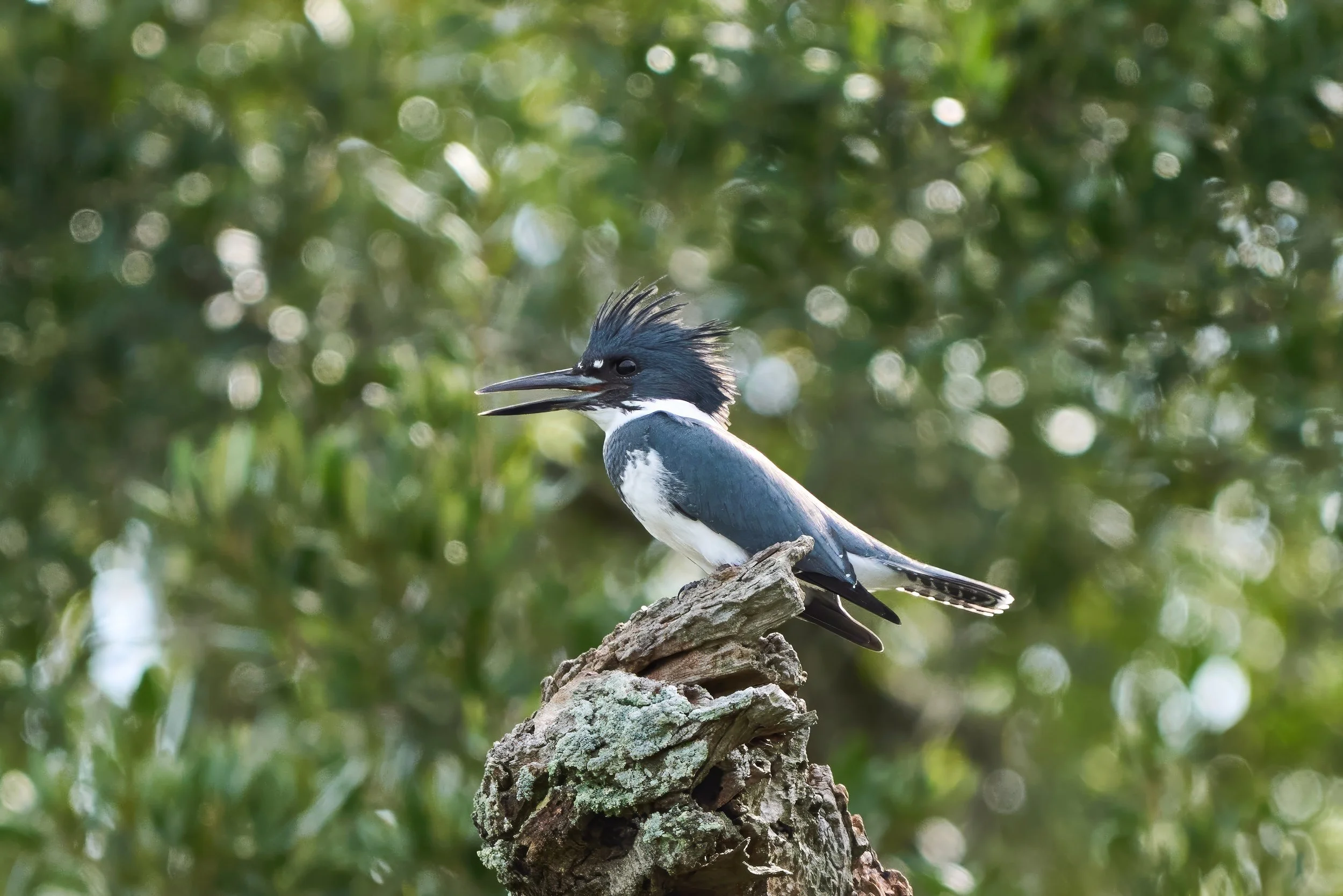
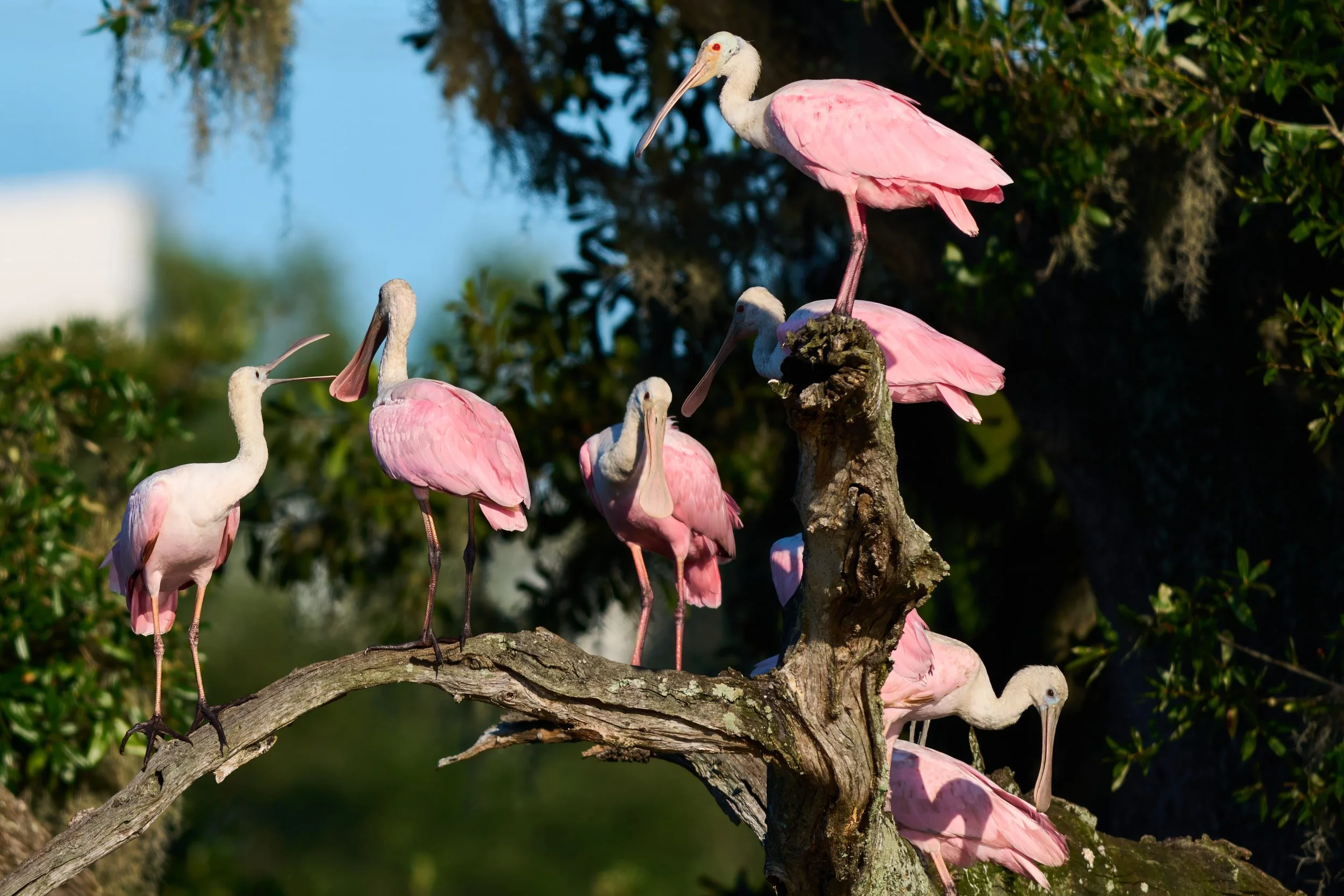
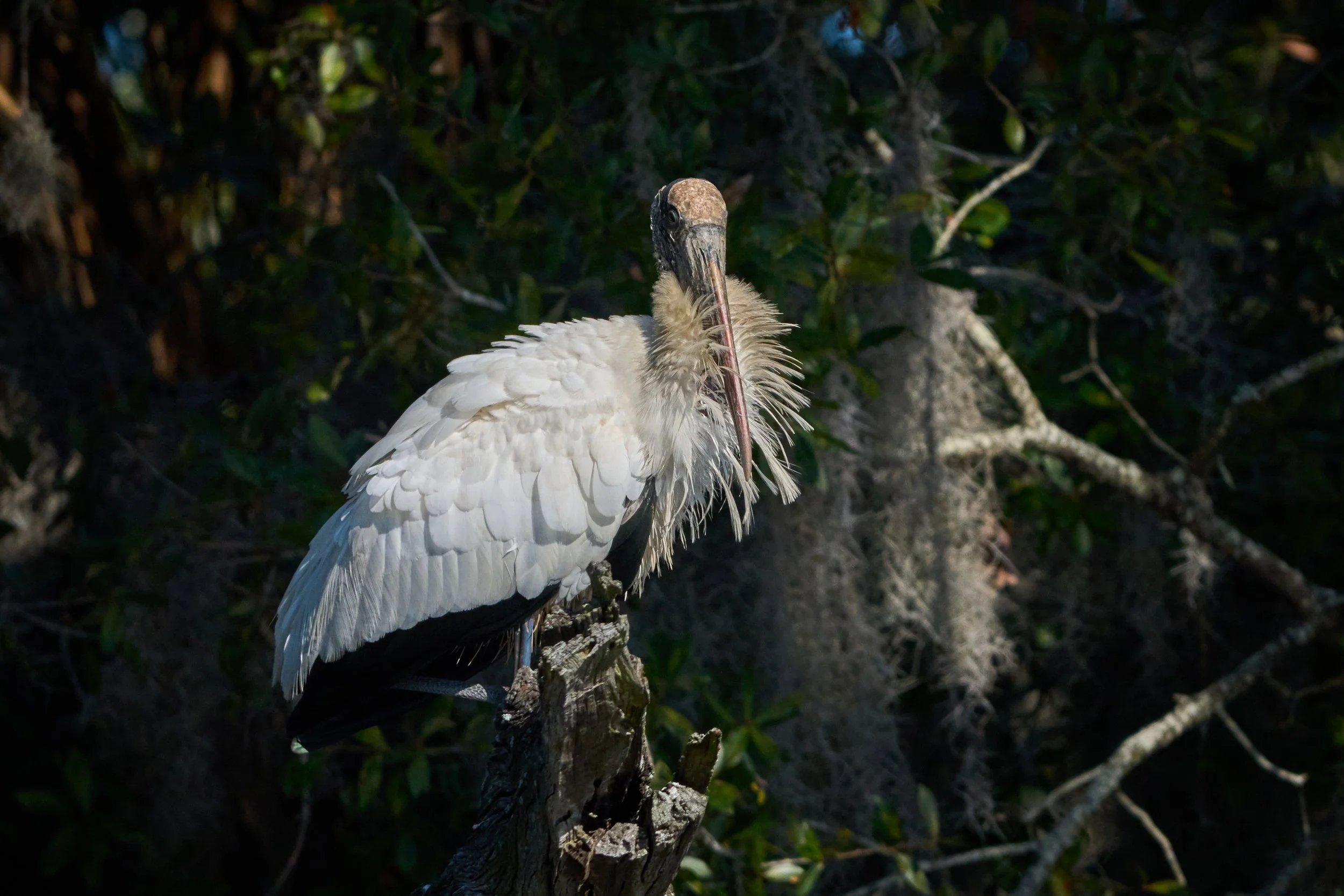
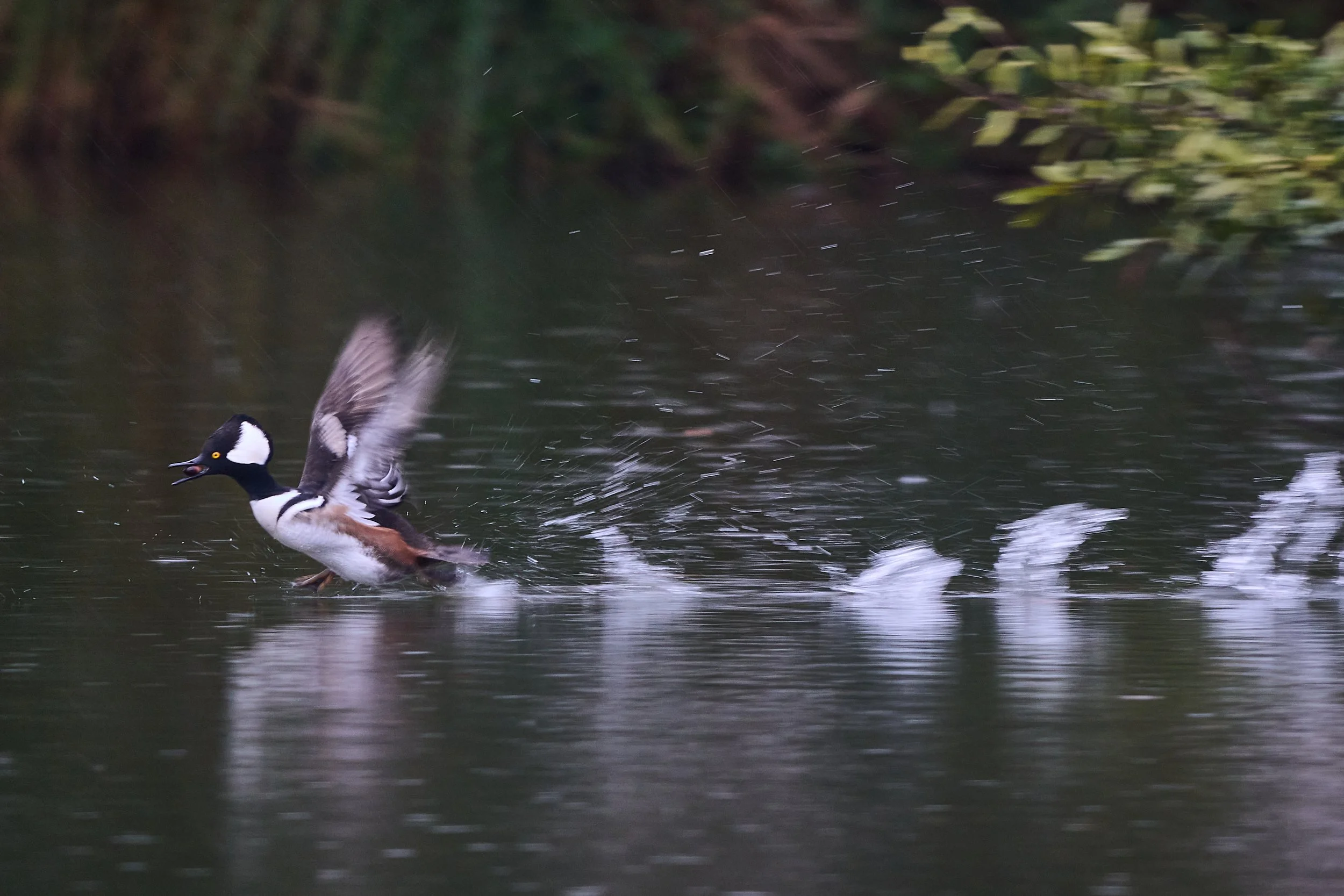
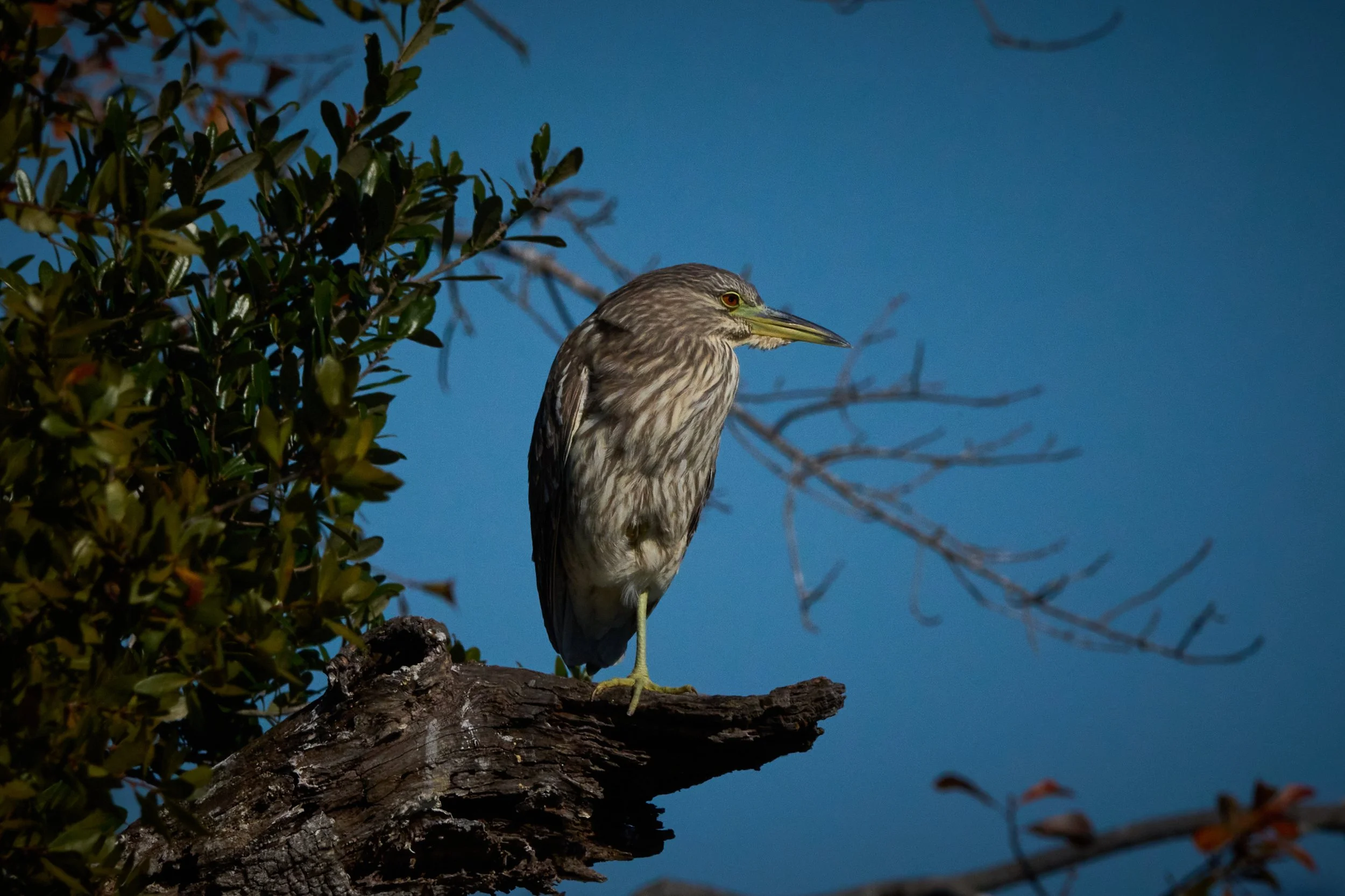
Wildlife—especially birds—has found in Magnolia’s peaceful solitude a sanctuary of its own.
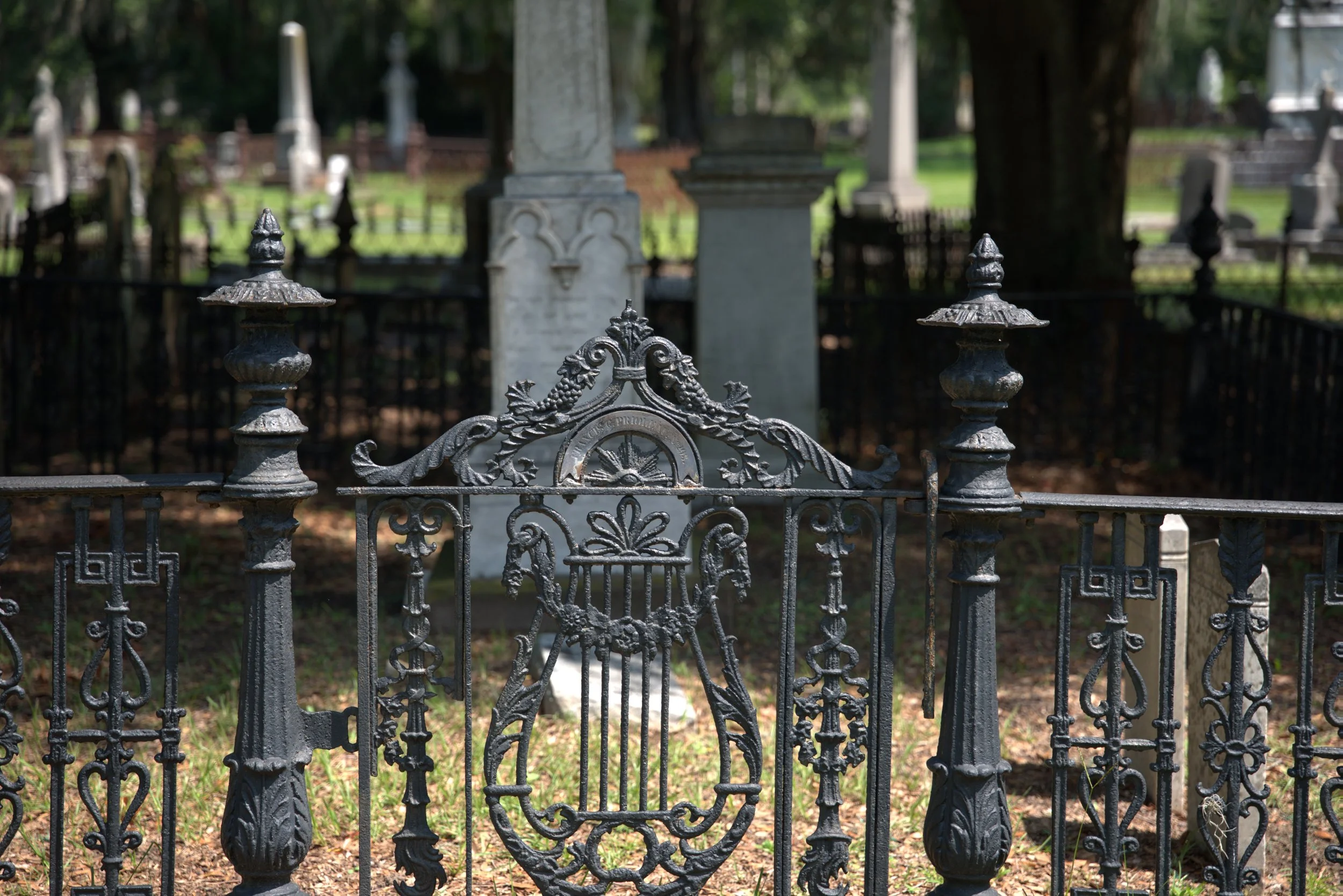
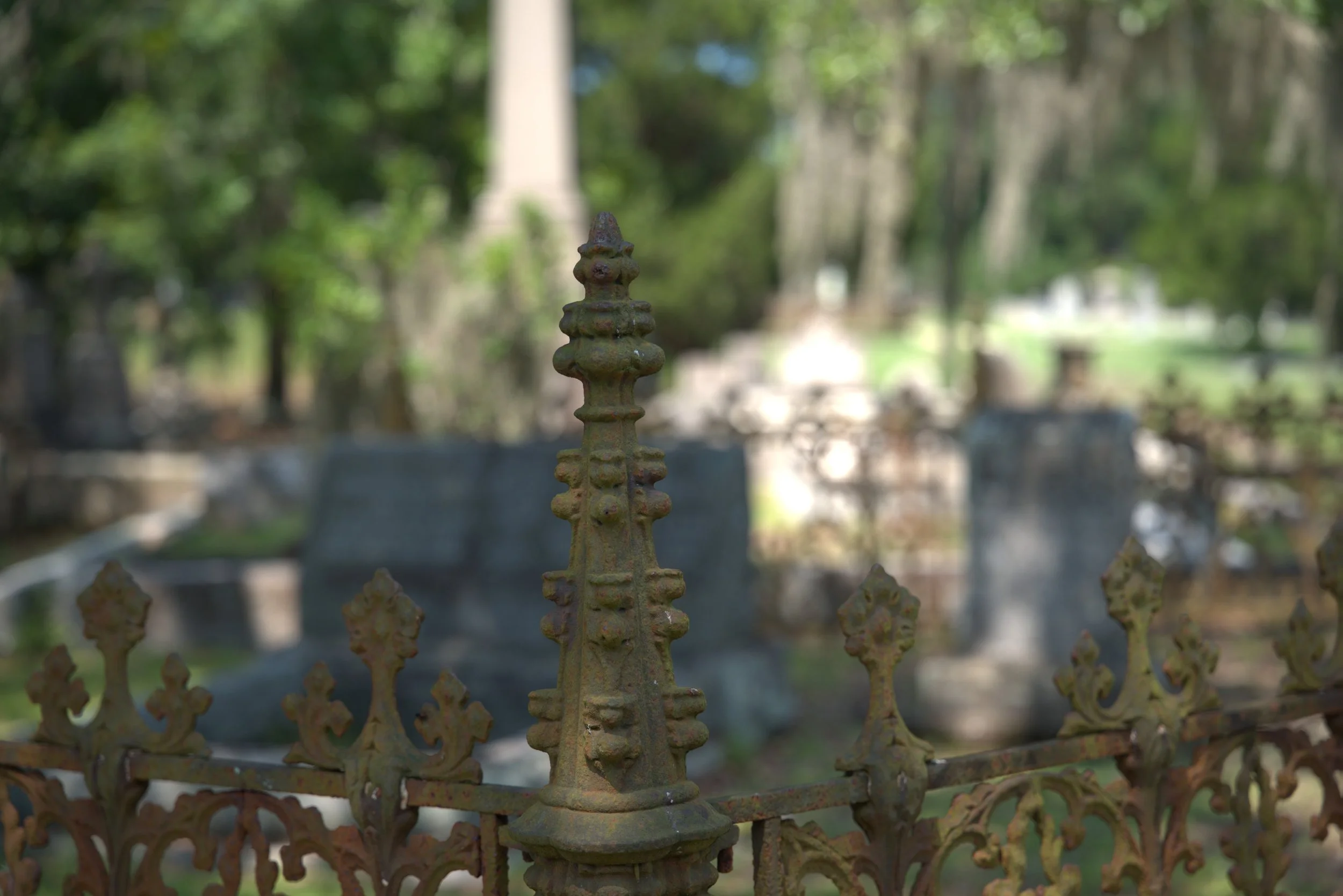
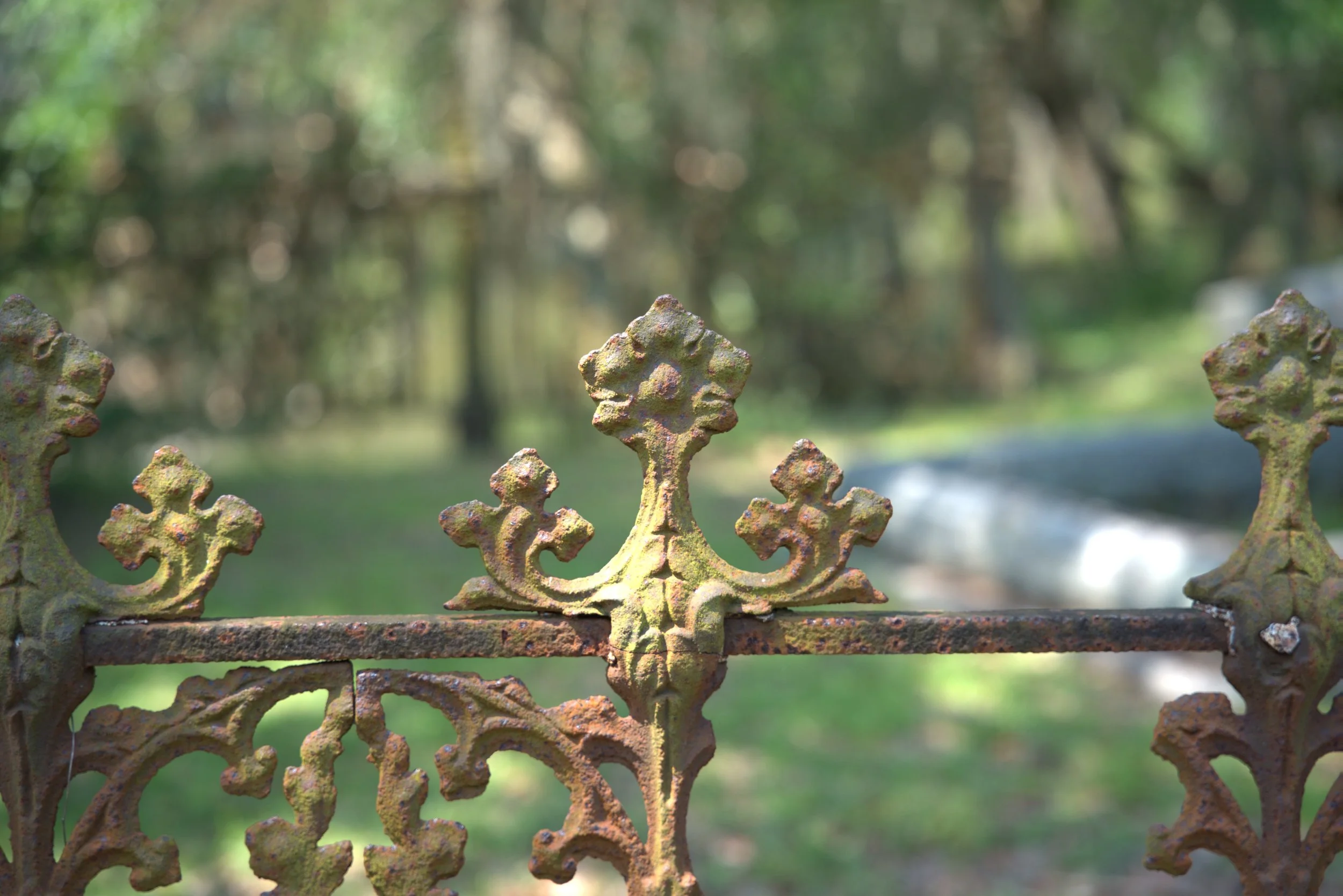
Two ponds within the cemetery offer wading birds a place to feed. The marshlands and rivers along its eastern edge sustain them. Songbirds gather along the tree-lined water, perching on cast-iron fences and timeworn headstones that mark generations of family plots. Ducks and geese drift across the ponds, grazing on submerged grasses, seemingly indifferent to the passage of years.
Where names are carved in stone, wings now cut across open sky.
The contrast is quiet but profound.
Those who rest here remain.
Those who fly above them do not.
When I visit Magnolia Cemetery, I do so with reverence for those who are now its permanent residents and with awe for the life that continues all around them. The contrast is not lost on me. Our time here is brief — a small stretch along a much longer continuum.
While I am here, I want to see the world, to bear witness to its beauty, and to preserve what I can through the photographs you see — honoring not just what stands before me, but the quiet path that led me there.
And when my own footsteps fall silent, I can imagine no more fitting place to rest than Magnolia Cemetery.